
Acupuncture is a treatment derived from ancient Chinese medicine. Fine needles are inserted at certain sites in the body for therapeutic or preventive purposes.
What is acupuncture?
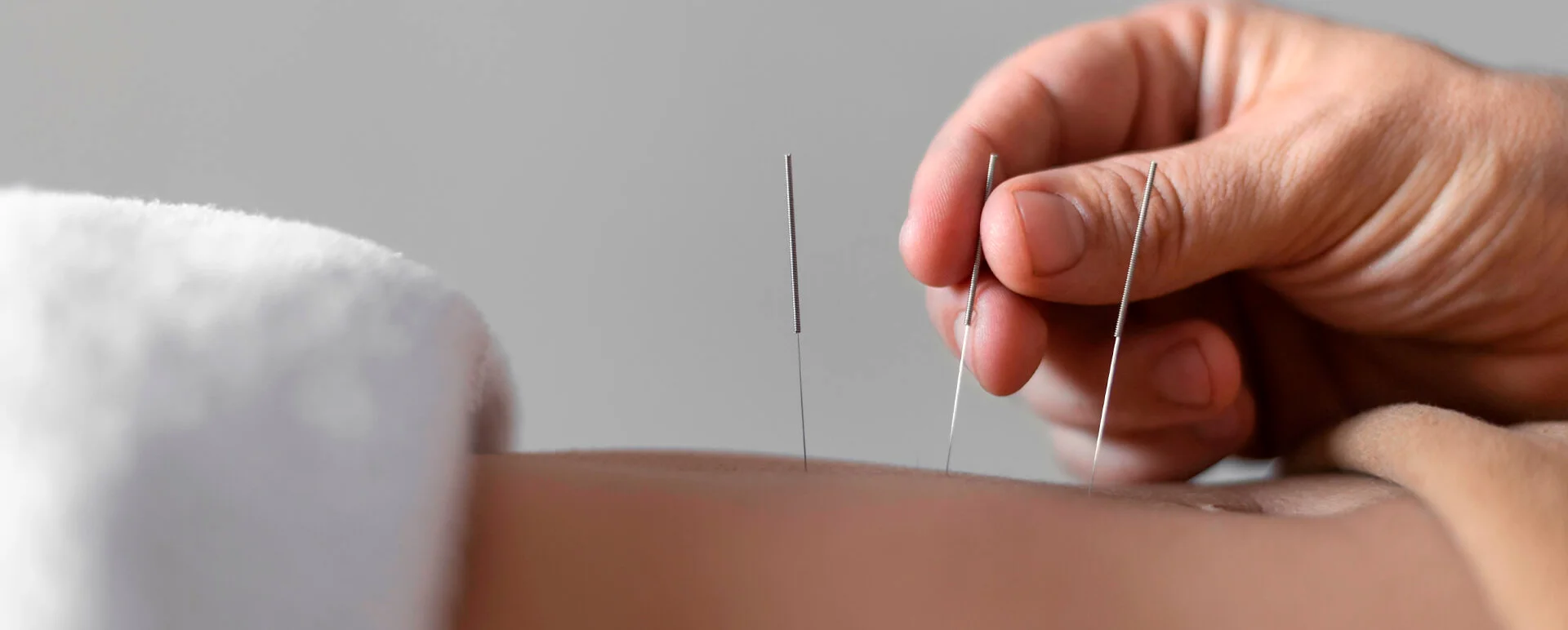
Acupuncture is a treatment that uses very thin steel needles inserted into the skin to stimulate specific points in the body. The goal is to relieve a health condition or symptom, such as pain. The practice comes from traditional Chinese medicine. Scientific studies have confirmed its effectiveness for some conditions.
Why it's done
Acupuncture at IDCC Health Services is used mainly to relieve discomfort associated with a variety of diseases and conditions, including:
-
Chemotherapy-induced and postoperative nausea and vomiting
-
Dental pain
-
Fibromyalgia
-
Headaches, including tension headaches and migraines
-
Labor pain
-
Lower back pain
-
Neck pain
-
Osteoarthritis
-
Menstrual cramps
-
Respiratory disorders, such as allergic rhinitis
-
Tennis elbow
Are there different types of acupuncture?
Acupuncturists who follow more traditional/ancient Chinese principles focus exclusively on directing the flow of qi (pronounced “chee”), or energy, through the body. Other practitioners apply Western medicine, using the needles to stimulate the body’s systems. Many acupuncturists use a combination of both approaches.
Another acupuncture approach treats myofascial pain. This common condition involves muscles and their connective tissue. When muscles are stressed, strained or injured, they often form trigger points — tight, painful knots. A trigger point in one muscle can create pain in a different area of the body (referred pain).
Acupuncturists can use trigger point therapy to ease myofascial pain. They stimulate certain points on the body to relieve the pain.
Risks
The risks of acupuncture are low if you have a competent, certified acupuncture practitioner using sterile needles. Common side effects include soreness and minor bleeding or bruising where the needles were inserted. Single-use, disposable needles are now the practice standard, so the risk of infection is minimal. Not everyone is a good candidate for acupuncture.
Before having acupuncture treatment, be sure to tell the practitioner if you:
-
Have a bleeding disorder: Your chances of bleeding or bruising from the needles may be increased if you have a bleeding disorder or if you're taking blood thinners.
-
Have a pacemaker: Acupuncture that involves applying mild electrical pulses to the needles may potentially interfere with a pacemaker's operation.
-
Are pregnant: Some acupuncture points are thought to stimulate labor, which could result in a premature delivery.
What happens after an acupuncture treatment?
Acupuncture has a calming effect, so you may want to get a ride home from your appointments — especially the first one. If that’s not possible, try to rest for five to 10 minutes before you drive. Your practitioner may suggest that you take it easy for a day or two after each session.
Do not use acupuncture to delay seeing a medical healthcare provider about a health problem. In most cases, people use acupuncture along with other treatments.