
What an OB-GYN does and the services they provide for women’s health care.
Many women schedule OB-GYN visits without fully comprehending everything these specialists do, or how much their care can impact long-term health. From preventive screenings to life-stage guidance, their role goes far beyond routine exams. What Does an OB-GYN Do? A Complete Guide for Women uncovers the full scope of services and why this care is essential at every stage of life.
Visit the best female gynecologist Brooklyn for women’s health.
TL;DR:
OB-GYNs provide comprehensive women’s health care across all life stages, extending far beyond pregnancy and routine exams. Their services include preventive screenings, diagnostic testing, prenatal and postpartum care, treatment of common gynecological conditions, and guidance on reproductive and hormonal health. Through personalized, preventive, and evidence-based care, OB-GYNs support long-term physical and reproductive well-being.
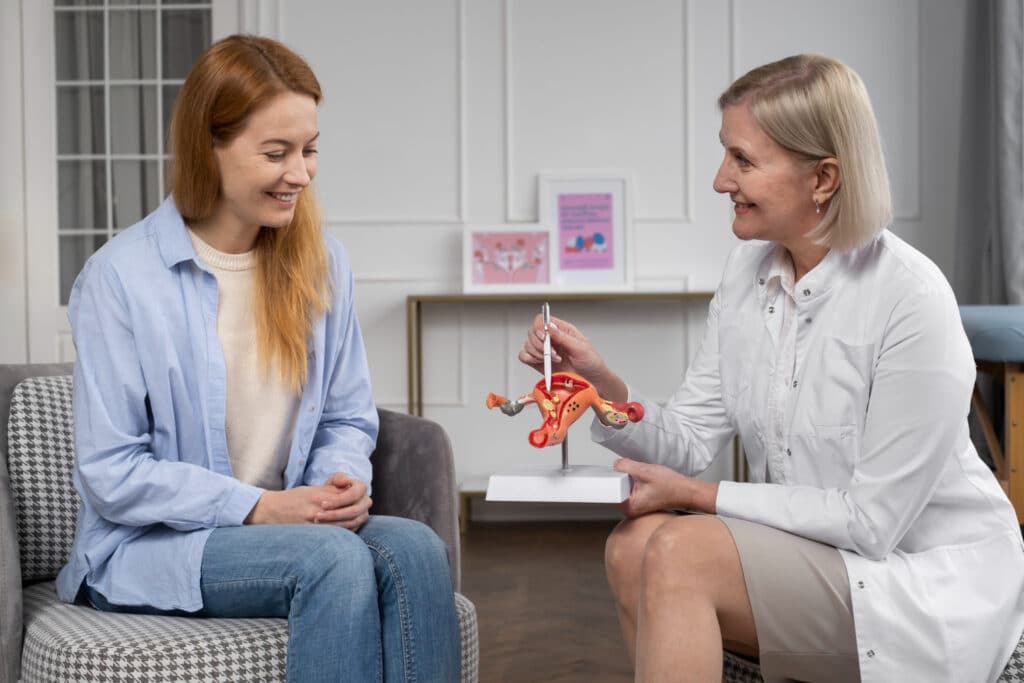
How Can an OB-GYN Support Women’s Health?
Obstetrician-gynecologists (OB-GYNs) are physicians trained to provide medical and surgical care for women’s reproductive health across the lifespan, from adolescence through menopause and beyond. Their role extends beyond pregnancy and childbirth to include preventive care, routine screenings, and treatment of gynecologic conditions. By offering both primary and specialized care, OB-GYNs address physical, reproductive, and preventive health needs while managing complex conditions related to female physiology, hormones, and reproductive anatomy.
Routine Checkups and Physical Exams
Routine visits with an OB-GYN, often called well-woman exams, are a cornerstone of women’s care. These appointments focus on prevention, early detection, and personalized guidance to reduce long-term risks. Typical components include:
- A comprehensive physical exam, including blood pressure, body mass index, breast exams, and pelvic exams.
- Age- and risk-based cancer screenings, such as Pap tests for cervical cancer and referrals for mammography when appropriate.
- Assessments for sexually transmitted infections, bone health, cardiovascular risk factors, and other conditions that may affect women differently.
- Counseling on healthier lifestyle practices, including nutrition, physical activity, and immunization recommendations tailored to each life stage.
Well-woman visits also emphasize screening, evaluation, and counseling based on age and medical history, supporting informed decision-making between patients and providers.
Diagnostic Tests and Screenings
OB-GYNs rely on diagnostic tests and screenings to evaluate, monitor, and protect women’s health. Common tools include:
- Pap smears and HPV testing to detect early cervical cell changes.
- Ultrasound and other imaging studies to assess pelvic organs and reproductive structures.
- Blood tests to evaluate hormone levels, anemia, thyroid function, and other markers affecting reproductive or overall health.
- STI testing and targeted laboratory diagnostics based on symptoms or individual risk factors.
Because many gynecologic conditions and cancers may not cause early symptoms, regular screening helps identify issues at earlier, more treatable stages and allows care plans to be adjusted over time.
Pregnancy and Prenatal Care
A central role of an OB-GYN is providing care before, during, and after pregnancy. Prenatal care includes monitoring fetal development, assessing maternal health, offering nutrition counseling, and screening for pregnancy-related conditions such as gestational diabetes or preeclampsia. OB-GYNs coordinate ultrasounds, laboratory tests, and medical interventions to support both maternal and fetal well-being.
Prenatal care is designed to detect complications early, promote healthy pregnancy habits, and provide emotional support throughout pregnancy. After childbirth, OB-GYNs continue follow-up care to monitor recovery and address long-term considerations that may be influenced by pregnancy history.
Treatment for Common Gynecological Conditions
Beyond preventive care, OB-GYNs diagnose and treat a range of gynecological conditions that affect women’s reproductive systems. Care is individualized, with treatment plans based on symptoms, health history, and overall wellness goals. Management may involve medication, minimally invasive procedures, or referral to subspecialists when appropriate.
Common gynecological conditions treated include:
- Menstrual disorders, such as heavy bleeding, irregular cycles, or painful periods that interfere with daily life.
- Pelvic pain and endometriosis, which can cause chronic discomfort and significantly impact quality of life.
- Uterine fibroids and ovarian cysts, evaluated and managed through medical treatment or surgical options when necessary.
- Sexually transmitted infections and reproductive tract infections, diagnosed and treated to prevent complications and support reproductive health.
- Urinary incontinence and pelvic floor disorders, with treatment options ranging from lifestyle adjustments and physical therapy to surgical intervention.
OB-GYNs focus not only on symptom relief but also on helping women understand their bodies, manage chronic conditions, and maintain long-term reproductive and overall health through informed, supportive care.
Guidance on Reproductive and Hormonal Health
This is a central aspect of OB-GYN care, as hormonal changes throughout life can significantly influence both physical and emotional well-being. Hormonal fluctuations during stages such as puberty, pregnancy, the postpartum period, and menopause are carefully evaluated to ensure care is appropriate for each phase of life.
OB-GYNs support women through these transitions by offering counseling and care for contraception and family planning that align with individual needs and personal goals. They also assist with fertility concerns, including evaluation and treatment options or referrals when infertility is a concern.
Care also includes addressing menopausal symptoms such as hot flashes, changes in bone density, and mood fluctuations, along with discussing the potential benefits and risks of hormone therapy when appropriate. In addition, OB-GYNs diagnose and manage hormone-related conditions such as polycystic ovary syndrome and thyroid dysfunction, which can affect both reproductive health and metabolism. Through evidence-based guidance and ongoing support, women are empowered to make informed decisions about their reproductive and hormonal health.
Key Takeaways
- OB-GYNs provide comprehensive, lifelong care for women
OB-GYNs support women’s health from adolescence through menopause and beyond. Their care extends beyond pregnancy to include preventive, diagnostic, and specialized services. This comprehensive approach addresses reproductive, physical, and hormonal needs. - Preventive care and routine exams are central to women’s health
Well-woman visits focus on early detection, screenings, and personalized counseling. These exams help identify risks related to cancer, infections, bone, and cardiovascular health. Preventive care supports informed decision-making and long-term wellness. - Diagnostic testing enables early identification of health concerns
OB-GYNs use screenings, imaging, and laboratory tests to monitor reproductive and overall health. Regular testing helps detect conditions that may not show early symptoms. Early diagnosis allows for timely treatment and ongoing care adjustments. - OB-GYNs manage pregnancy and common gynecological conditions
Care includes prenatal monitoring, postpartum follow-up, and treatment of reproductive conditions. Common issues such as menstrual disorders, infections, fibroids, and pelvic pain are addressed. Treatment plans are individualized to support symptom relief and long-term health. - Reproductive and hormonal guidance supports informed health decisions
OB-GYNs help manage hormonal changes related to puberty, fertility, and menopause. Care includes family planning, fertility support, and management of hormone-related conditions. Ongoing guidance empowers women to make informed choices about their reproductive health.
FAQs:
What exactly does an OB/GYN do?
An OB/GYN provides medical and surgical care for women’s reproductive health across all life stages, including preventive exams, screenings, pregnancy and prenatal care, treatment of gynecological conditions, and guidance on reproductive and hormonal health.
What does an OB-GYN do on your first visit?
A first visit typically includes a review of medical history, a comprehensive physical exam, preventive screenings as appropriate, and counseling focused on risks, lifestyle, and reproductive goals.
Do I take my bra off at the OB-GYN?
Yes, for parts of the exam such as a clinical breast exam, you may be asked to remove your bra. This allows the provider to properly examine breast tissue as part of routine preventive care.
What questions do gynecologists ask?
Gynecologists typically ask about your medical, menstrual, and reproductive history, current symptoms, sexual health, contraception use, pregnancy plans, and lifestyle factors that may affect your overall and reproductive health.
Sources.
Eskandar, K. (2024). Advancements in gynecology: A comprehensive review of emerging research and innovations. Journal of Medical and Clinical Nursing Studies, 1-12.
Ahmad, N. (2023). Women’s Wellness: Empowering Gynecology for Optimal Reproductive Health, Hormone Balance, Pregnancy Care, and Comprehensive Women’s Healthcare Services. Special Journal of the Medical Academy and other Life Sciences, 1(2), 293-299.
You May Also Like.
Can a Gynecologist Test for STDs?