
When to See a Gynecologist for the First Time
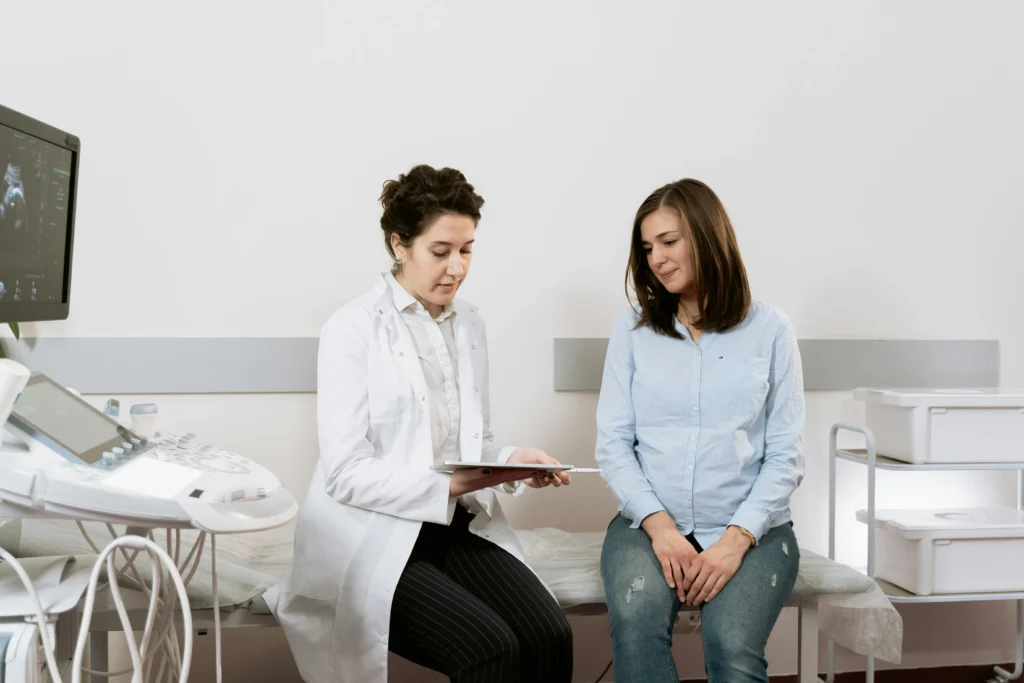
When is the right moment to schedule your first visit, and how do you know you’re not waiting too long? Many people wonder when to see a gynecologist for the first time, but the answer isn’t always obvious. Early signs, age guidelines, and personal concerns all play a role. What you discover about that first visit might change how you approach your health moving forward.
TL;DR
The first gynecologist visit is typically recommended between ages 13–15 or when puberty or sexual activity begins, focusing on education and prevention. Preparation is simple, and the visit usually includes a medical discussion and, if needed, basic exams. Open communication and regular annual checkups help detect issues early and support long-term reproductive health.
Imagen
What age should you first see a gynecologist?
The first gynecological visit is usually recommended between ages 13 and 15. This initial appointment focuses on education and prevention, explaining body changes during puberty, the menstrual cycle, and basic aspects of sexual health. In most cases, an internal pelvic exam is not required.
A visit is also recommended earlier if sexual activity has started or if symptoms appear, such as severe menstrual pain, heavy bleeding, absence of periods, or signs of infection. These situations allow for proper evaluation and guidance.
This first consultation also provides an opportunity to learn about the HPV vaccine and build trust with a healthcare provider, supporting long-term preventive care and well-being.
Recognizing the Right Time for the First Visit
The first gynecological visit is typically recommended between ages 13 and 15, or when puberty or sexual activity begins. This initial meeting focuses on education, answering questions, and building trust. Scheduling the appointment after menstruation may help facilitate certain evaluations.
When to Schedule the First Visit
- Recommended age: Between 13 and 15, without necessarily requiring a full physical exam.
- Start of puberty: Especially when menstruation begins or irregularities appear.
- Sexual activity: For guidance on contraception and STI prevention.
- Symptoms: Pelvic pain, heavy bleeding, or recurrent infections.
Choosing the right time helps address concerns, receive personalized guidance, and detect potential issues early while building a supportive patient-provider relationship.
Preparing for the Initial Gynecological Appointment
Preparing for the first gynecological visit is simple and does not require complex steps. Daily hygiene is sufficient, and it is recommended to avoid scheduling the appointment during menstruation. If a Pap smear is planned, avoiding sexual activity or vaginal products at least 48 hours before the visit is advised.
Practical Preparation Tips
- Scheduling: Plan the visit outside the menstrual period.
- Hygiene: Avoid creams, powders, or vaginal products that may affect samples.
- Personal information: Bring details such as the date of the last period, cycle length, and medical history.
- Questions: Write down concerns about body changes or contraception.
- Comfortable clothing: Choose easy-to-remove garments.
During the visit, answering questions honestly helps create a safe and supportive environment focused on care and guidance.
Knowing What Happens During the First Exam
The first gynecological exam usually begins with a conversation about medical history and any questions related to the menstrual cycle, sexual health, or contraception. This helps establish trust and identify individual needs before any physical evaluation.
Information Collected
- Date of last menstrual period
- Medical and family history
- Previous conditions
- Sexual activity (if applicable)
Physical and Gynecological Examination
- Basic physical exam: Weight and blood pressure measurement.
- External exam: Evaluation of the vulva for irritation or infection.
- Pelvic exam: Use of a speculum to observe the cervix if needed.
- Pap smear: Collection of cervical cells for analysis.
- Ultrasound: Evaluation of the uterus and ovaries.
Not all tests are required during the first visit. The approach depends on age, symptoms, and individual factors, with the goal of gradual and personalized care.
Discussing Menstrual and Reproductive Health Topics
Discussing menstrual and reproductive health during a gynecological visit involves clear and honest communication. Topics include cycle regularity, duration, flow, and any pain that affects daily life. Changes in breast health or signs of infection should also be mentioned.
| Area | What to Discuss |
| Menstrual health | Regularity (24–38 days), duration, flow, pain |
| Abnormal changes | Bleeding between periods, severe pain |
| Menstrual hygiene | Use of pads, tampons, or menstrual cups |
| Contraception | Options, side effects, preferences |
| Fertility | Pregnancy plans or hormonal evaluation |
| Sexual health | Activity, discomfort, STI concerns |
| Previous exams | Pap smears, mammograms, other tests |
| Emotional health | Anxiety or mood changes related to the cycle |
Clear communication supports accurate evaluation and personalized recommendations.
Following Up and Establishing Regular Checkups
Regular gynecological care supports prevention and early detection of health conditions. Annual visits are generally recommended starting with sexual activity or around age 21, allowing continuous evaluation of reproductive health and menstrual patterns.
These visits may include Pap smears for cervical cancer screening, breast exams or mammograms based on age, and ultrasounds to assess the uterus and ovaries. Topics such as STIs, menstrual irregularities, menopause, and family planning are also addressed.
Seeking care promptly is advised if symptoms appear, such as severe pelvic pain, abnormal bleeding, unusual discharge, or possible pregnancy. Ongoing follow-up allows care to adapt to individual needs over time.
Key Takeways
- First visit timing depends on age, puberty, and personal factors: The first gynecologist visit is generally recommended between ages 13–15 or when puberty or sexual activity begins. It focuses on education, prevention, and building trust rather than immediate exams. Early visits help address concerns and support long-term reproductive health.
- Certain symptoms or situations require earlier consultation: You should see a gynecologist sooner if you experience severe menstrual pain, irregular bleeding, absence of periods, or signs of infection. Starting sexual activity is also a key reason to seek guidance. These visits allow early evaluation and appropriate care.
- Preparation is simple and helps improve the visit: Basic hygiene, avoiding appointments during menstruation, and wearing comfortable clothing are recommended. Bringing details like menstrual history and questions supports a more productive consultation. Honest communication creates a safe and supportive environment.
- The first exam focuses on discussion and may include basic tests: The visit usually begins with a medical history review, followed by a general physical exam and, if needed, a pelvic exam, Pap smear, or ultrasound. Not all tests are required during the first visit. The goal is to assess health gradually and address concerns.
- Regular checkups and open communication support ongoing health: Annual visits starting at sexual activity or age 21 help monitor reproductive health and detect issues early. Discussions about menstrual cycles, contraception, and symptoms guide personalized care. Continuous follow-up ensures prevention and timely medical attention.
FAQS
At what age should a woman first see a gynecologist?
The first visit is generally recommended between ages 13–15 and focuses on education, prevention, and building comfort. It may happen earlier if there are symptoms, menstrual concerns, or sexual activity. This initial visit usually does not require a pelvic exam unless there are specific issues.
Is 4 weeks pregnant too early to see a doctor?
At 4 weeks, it is not too early to contact a doctor, but an in-person visit is often scheduled later, around 6–12 weeks. Early contact helps establish care and discuss next steps. Immediate evaluation may be needed if there are concerning symptoms like severe pain or bleeding.
Can a gynecologist help with bladder issues?
Yes, gynecologists can help with common bladder problems such as infections, mild incontinence, or pelvic floor concerns. These conditions are often related to the reproductive system. For more complex or persistent issues, they may refer to a specialist for advanced care.
Can an obgyn check lymph nodes?
Yes, during a general exam, an OB/GYN can assess areas like the neck or abdomen to evaluate lymph nodes and overall health. This is part of a broader physical examination that may include checking vital signs and other body systems. It helps identify potential signs of infection or other concerns.
Sources
- Watkins, E. (2022). Why Obstetrics and Gynecology?. Physician Assistant Clinics, 7(3), xv-xvi.
https://physicianassistant.theclinics.com/article/S2405-7991(22)00031-7/fulltext
- Abou-Shabana, K., Hassan, A., Eid, S., & Hassan, H. (2022). Effect of counseling sessions on women’s satisfaction during gynecological examination. Journal of Obstetrics Gynecology and Reproductive Sciences, 6(4), 1-10.
You may also like
Questions about your health? We're nearby.
Board-certified providers across 17 specialties — three Brooklyn locations, open Sundays at 445 Kings Highway.
- ✓ Same-week appointments
- ✓ Most major insurance accepted & verified for you
- ✓ Spanish-speaking staff available
Book a visit
We'll call you back to confirm — usually the same day.
Prefer to talk? Call 718-375-3200
Gynecology in brooklyn ny: A Gynecology Guide for Patients in Brooklyn
Oct 3, 2026
Menstrual Cycle Phases Explained: What Happens in Your Body Each Month
Sep 29, 2026
Your Complete Guide to Gynecologic Care in Brooklyn: What to Expect and When to See an OB/GYN
Jul 17, 2026