
How Long Do You Have to Fast to Get Rid of Parasites? What the Evidence Actually Says

Last updated: May 21, 2026
Quick Answer
There is no clinically proven fasting duration that reliably eliminates intestinal parasites. According to the CDC and WHO, the standard treatment for parasitic infections is specific antiparasitic medication, not fasting. While some fasting protocols are promoted online as “parasite cleanses,” no major health authority endorses fasting alone as a cure for any parasitic infection.
Start Care With family doctor in Brooklyn
Key Takeaways
- Fasting does not kill parasites. No scientific evidence supports a specific fasting duration for parasite elimination.
- Standard treatment uses prescription antiparasitic drugs such as albendazole, mebendazole, or metronidazole, not dietary restriction.
- Parasites like Giardia, roundworms, and tapeworms require targeted medication to clear effectively.
- Prolonged fasting carries real health risks, including electrolyte imbalances, muscle loss, and worsening of existing infections.
- Certain foods (garlic, pumpkin seeds, papaya) may support gut health but are not substitutes for medical treatment.
- Diagnosis requires stool testing, blood work, or endoscopy, not self-assessment alone.
- Medical supervision is essential before attempting any extended fast, especially if you suspect a parasitic infection.
- Brooklyn residents can access gastroenterology, primary care, and integrative medicine at IDCC Health Services for a proper evaluation.
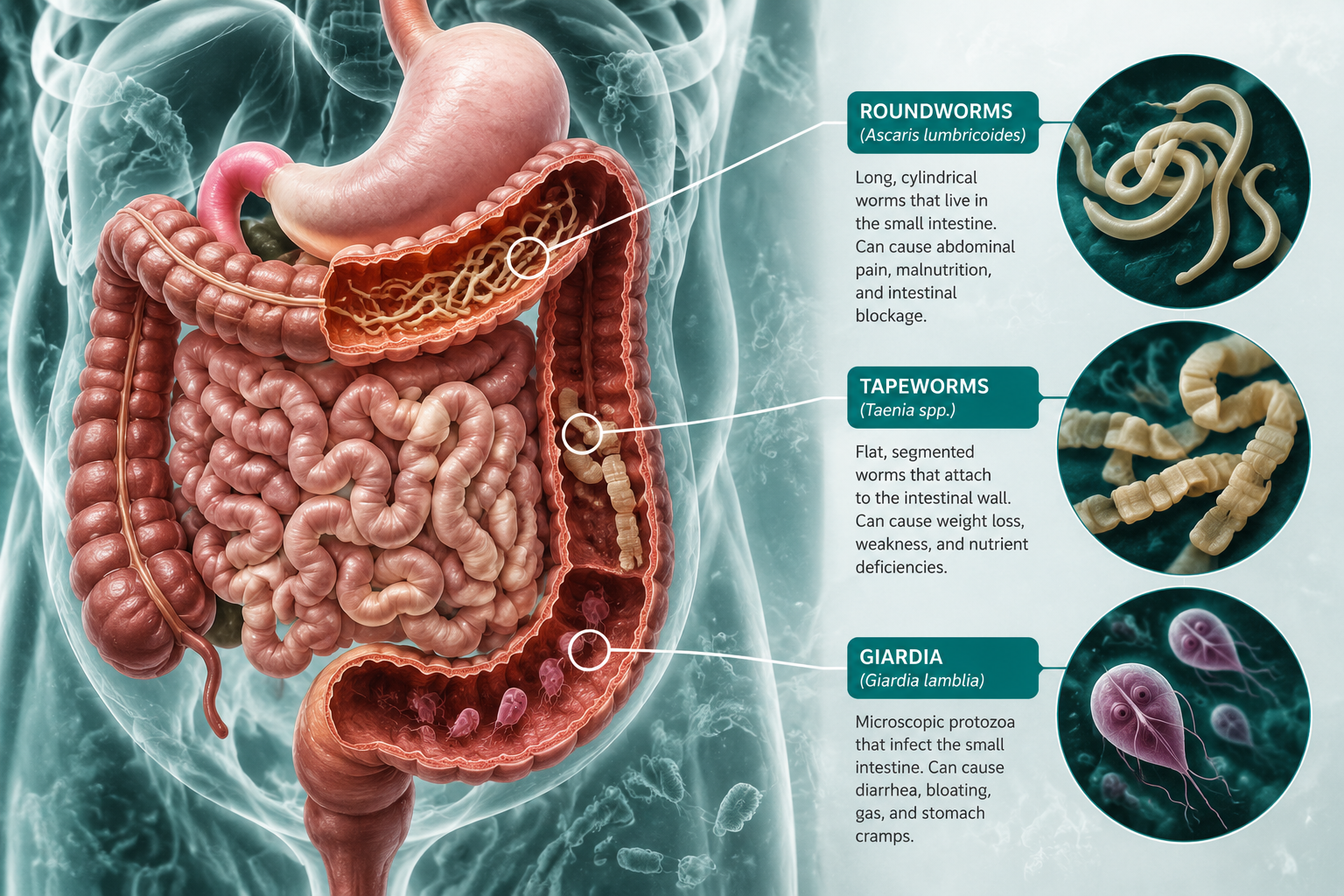
What Exactly Are Human Intestinal Parasites?
Human intestinal parasites are organisms that live inside the digestive tract and feed off their host. They fall into two main categories: helminths (worms) and protozoa (single-celled organisms).
Common types include:
| Type | Examples | Primary Transmission |
|---|---|---|
| Helminths (worms) | Roundworm, tapeworm, hookworm, whipworm, pinworm | Contaminated soil, food, water |
| Protozoa | Giardia, Cryptosporidium, Entamoeba histolytica | Contaminated water, fecal-oral route |
Helminths are multicellular organisms that can grow to significant size inside the intestines. Protozoa are microscopic but can cause severe gastrointestinal illness. Both types are capable of surviving inside the human gut for months or years without treatment.
Clinical note: The biology of these organisms matters when evaluating fasting as a strategy. Most intestinal parasites have adapted to survive periods of reduced food intake in their host, meaning a short or even extended fast is unlikely to starve them out.
How Do People Typically Get Parasites in the First Place?
Most people acquire intestinal parasites through contaminated food or water, poor hand hygiene, or contact with infected soil.
The most common transmission routes:
- Drinking untreated or poorly filtered water (especially Giardia and Cryptosporidium)
- Eating undercooked meat, particularly pork (tapeworm) or fish
- Consuming raw produce washed with contaminated water
- Walking barefoot on soil contaminated with fecal matter (hookworm)
- Traveling to regions with limited sanitation infrastructure
- Direct contact with an infected person (pinworm spreads easily in households)
Who is at higher risk?
Children in daycare settings, international travelers, immunocompromised individuals, and people in areas with aging water infrastructure face elevated risk. In the United States, Giardia remains one of the most common intestinal parasites, with cases reported across all 50 states.
For a deeper look at warning signs, see our detailed guide on signs that you may have a parasite.
What Symptoms Indicate I Might Have Parasites?
Parasitic infections produce a wide range of symptoms, and many people carry parasites for months without realizing it. The most common signs include persistent digestive upset, unexplained fatigue, and changes in stool.
Symptoms to watch for:
- Chronic diarrhea or loose stools, sometimes alternating with constipation
- Bloating, gas, and abdominal cramping
- Nausea or vomiting
- Unexplained weight loss despite normal eating
- Fatigue and weakness that doesn’t improve with rest
- Itching around the anus (especially at night, a hallmark of pinworm)
- Visible worms or segments in stool
- Skin rashes, hives, or unexplained itching
- Brain fog or difficulty concentrating
- Grinding teeth during sleep (bruxism), though this link is less established
Edge case: Some parasitic infections, particularly tapeworms, can remain nearly asymptomatic for years. Others, like Giardia, cause acute illness within 1–3 weeks of exposure.
If you recognize several of these symptoms, a medical evaluation, not a self-directed fast, is the appropriate first step. You can also read more about why you might feel like you’re being stabbed in the stomach, which can sometimes be related to gastrointestinal infections.
Can Fasting Really Kill Parasites Completely?
No. Fasting alone cannot reliably kill or eliminate established intestinal parasites. This is the consensus position across parasitology and gastroenterology literature.
Here’s why the logic breaks down:
- Parasites are adapted to host environments. Organisms like tapeworms and Giardia have evolved to survive fluctuations in nutrient availability inside the human gut.
- Fasting doesn’t change gut pH or immunity enough. While short fasts may alter gut microbiome composition slightly, they do not create conditions hostile enough to kill parasites.
- No clinical trials support fasting as a parasite treatment. The research simply doesn’t exist to establish a safe or effective fasting protocol for this purpose.
A 2022 review published in PMC examined gut microbiome changes during fasting and found benefits for bacterial diversity, but no evidence that fasting eliminates parasitic organisms.
“There is no scientific proof that fasting alone can remove established parasites.”. IDCC Health Services, Parasite Cleansing Guide
The idea that “starving” parasites by not eating is biologically flawed. Many intestinal parasites can absorb nutrients directly through their skin-like outer layer (tegument), and some can enter a dormant state during periods of low host nutrition.
For a comprehensive overview of this topic, our article on parasite cleansing and gut health covers the evidence in detail.
How Long Do You Have to Fast to Get Rid of Parasites, and What Does the Research Say?
There is no evidence-based fasting duration for parasite elimination. No reputable medical body, including the CDC, WHO, or any gastroenterology society, recommends fasting as a treatment duration for any parasitic infection.
That said, here’s what various popular claims suggest versus what evidence actually supports:
| Claim | Duration | Evidence Level |
|---|---|---|
| “24-hour fast kills parasites” | 1 day | No clinical evidence |
| “3-day water fast cleanses gut” | 3 days | No clinical evidence |
| “7–14 day extended fast eliminates worms” | 1–2 weeks | No clinical evidence; significant health risk |
| Antiparasitic medication (e.g., albendazole) | 1–3 days of treatment | Strong clinical evidence |
The practical answer: If you’re asking how long you have to fast to get rid of parasites, the honest answer is that no fasting duration has been shown to work. A single dose of the right antiparasitic drug, prescribed after proper diagnosis, is far more effective than any length of fasting.
Choose medical treatment if: You have confirmed or strongly suspected parasitic infection, you are immunocompromised, you are pregnant, or your symptoms are worsening.
What Are the Risks of Fasting for Parasite Treatment?
Fasting carries real health risks, particularly when done for extended periods without medical supervision. These risks are compounded when a person is already dealing with a parasitic infection that may be causing nutrient malabsorption.
Key risks include:
- Electrolyte imbalances, sodium, potassium, and magnesium levels can drop dangerously during extended fasts
- Muscle wasting, the body begins breaking down muscle tissue after glycogen stores are depleted
- Worsening malnutrition, parasites like hookworm already cause iron-deficiency anemia; fasting intensifies this
- Hypoglycemia, especially dangerous for people with diabetes or pre-diabetes
- Immune suppression, prolonged caloric restriction can reduce immune function, making it harder to fight infection
- Refeeding syndrome, a potentially serious condition when normal eating resumes after extended fasting
Who should never fast for parasite treatment:
- Children and adolescents
- Pregnant or breastfeeding women
- People with eating disorder history
- Anyone with diabetes, heart disease, or kidney disease
- People who are already underweight or malnourished
Which Types of Parasites Respond Best to Fasting?
None. No category of intestinal parasite has been shown to respond reliably to fasting in human clinical studies.
Some proponents of fasting cleanses argue that reducing dietary sugar and refined carbohydrates may make the gut environment less hospitable to certain protozoa. While reducing sugar intake is generally good for gut health, this is not the same as fasting eliminating parasites.
What actually works, by parasite type:
| Parasite | Effective Treatment |
|---|---|
| Giardia | Metronidazole, tinidazole |
| Roundworm (Ascaris) | Albendazole, mebendazole |
| Tapeworm | Praziquantel |
| Hookworm | Albendazole, mebendazole |
| Pinworm | Mebendazole, pyrantel pamoate |
| Entamoeba histolytica | Metronidazole + paromomycin |
These medications work by disrupting the parasite’s metabolism, nervous system, or cell wall, mechanisms that fasting simply cannot replicate.
Are There Safer Alternatives to Fasting for Parasite Removal?
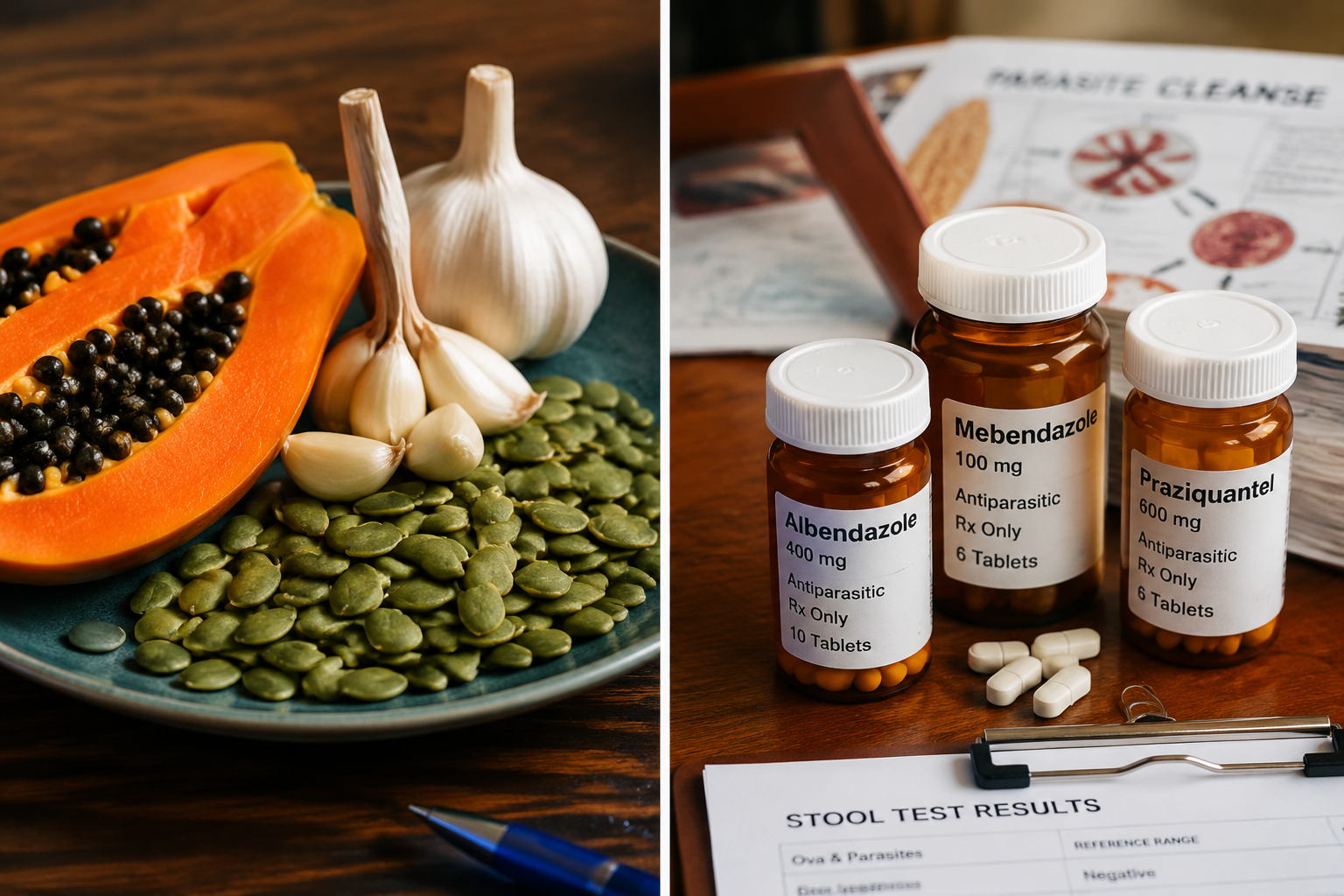
Yes. Prescription antiparasitic medications are the safest, most effective, and evidence-based approach to eliminating parasites. Dietary changes can play a supportive role but should not replace medical treatment.
Evidence-supported approaches:
- Antiparasitic medications, prescribed after confirmed diagnosis; typically short courses with high efficacy rates
- Dietary support, certain foods have demonstrated antiparasitic properties in preliminary research:
- Pumpkin seeds, contain cucurbitacin, which may paralyze worm muscles
- Garlic, allicin has shown activity against some protozoa in lab studies
- Papaya seeds, contain carpaine and benzyl isothiocyanate with antiparasitic properties
- Coconut oil, medium-chain fatty acids may have some effect on gut pathogens
- Probiotic support, restoring healthy gut flora after treatment helps prevent reinfection
- Hygiene improvements, thorough handwashing, proper food handling, and water filtration prevent reinfection
Common mistake: Many people try dietary cleanses first and delay seeking medical care. This allows the infection to progress and potentially spread. If you suspect parasites, get tested first, then use dietary support alongside, not instead of, treatment.
How Do Doctors Diagnose Parasitic Infections?
Diagnosis requires laboratory testing, not symptoms alone. A doctor will typically start with a stool ova and parasite (O&P) exam, which looks for parasite eggs, larvae, or adult organisms in a stool sample.
Diagnostic methods used:
- Stool O&P test, the standard first-line test; may require 3 samples collected on different days
- Stool antigen test, highly accurate for Giardia and Cryptosporidium
- Blood tests, eosinophil count (elevated in many parasitic infections), specific antibody tests for certain parasites
- Colonoscopy or endoscopy, used when stool tests are inconclusive or for tissue biopsy
- Imaging, ultrasound or CT scan for suspected cysts (e.g., Echinococcus)
At IDCC Health Services, board-certified gastroenterologist Dr. Cynthia Quainoo, M.D. provides comprehensive gastrointestinal evaluation, including diagnostic workup for suspected parasitic infections. Our internal medicine physicians, including Dr. Inna Tovbina, M.D. and Dr. Helen Zaltsman, M.D., can order initial testing and coordinate specialist referrals through our NCQA-certified Patient-Centered Medical Home model.
You can also see a gastroenterologist without a referral at IDCC, making access straightforward.
Can I Fast at Home or Do I Need Medical Supervision?
Short intermittent fasts (16–24 hours) are generally safe for healthy adults, but any extended fast undertaken with the goal of treating a parasitic infection should involve medical supervision.
Why supervision matters:
- A suspected parasitic infection needs to be confirmed before any treatment, dietary or medical
- Extended fasting can mask or worsen symptoms, making diagnosis harder
- Certain parasites cause nutrient deficiencies that fasting will intensify
- A doctor can monitor electrolytes, blood glucose, and organ function during any extended fast
The bottom line on home fasting for parasites: It’s not recommended as a treatment strategy. If you want to support gut health through intermittent fasting alongside prescribed treatment, discuss this with your doctor first.
What Should I Eat After a Parasite Cleansing Fast?
After any extended fast or antiparasitic treatment course, the goal is to restore gut flora, replenish nutrients, and reduce inflammation. A gradual reintroduction of whole foods works best.
Recommended refeeding approach:
- Days 1–2: Broths, easily digestible fruits (bananas, cooked apples), plain rice
- Days 3–5: Add steamed vegetables, plain yogurt or kefir (for probiotics), soft proteins like eggs
- Week 2 onward: Gradually reintroduce a full, balanced diet rich in fiber, fermented foods, and lean protein
Foods to prioritize post-treatment:
- Fermented foods (yogurt, kefir, sauerkraut) to restore gut bacteria
- High-fiber vegetables to support bowel regularity
- Lean proteins to rebuild any lost muscle mass
- Anti-inflammatory foods like turmeric, ginger, and omega-3-rich fish
Foods to limit post-treatment:
- Refined sugars and processed carbohydrates (may encourage pathogen regrowth)
- Alcohol (stresses the liver, which processes antiparasitic drugs)
- Raw or undercooked meat and fish (reinfection risk)
For related guidance on supporting your body’s natural cleansing processes, see our article on how to cleanse your kidneys safely and naturally.
What Foods Help Prevent Parasitic Infections?
Certain foods support a gut environment that is less hospitable to parasites, while proper food handling is the most reliable prevention strategy.
Preventive dietary practices:
- Wash all produce thoroughly under running water
- Cook meat to safe internal temperatures (145°F for whole cuts, 160°F for ground meat)
- Avoid raw shellfish in areas with questionable water quality
- Use filtered or boiled water when traveling to high-risk regions
Foods with preliminary antiparasitic evidence:
- Garlic, broad antimicrobial and antiprotozoal activity
- Pumpkin seeds, traditional use supported by some lab data
- Turmeric, anti-inflammatory; may support gut barrier integrity
- Papaya, both flesh and seeds contain compounds studied for antiparasitic effects
These foods are beneficial additions to a healthy diet but are not reliable standalone treatments for active infections.
How Much Water Should I Drink During a Parasite Cleanse Fast?
During any fast, adequate hydration is critical. Most adults need a minimum of 2–3 liters (roughly 8–12 cups) of water per day during a fast, and possibly more if experiencing diarrhea or vomiting from a parasitic infection.
Hydration guidelines during a fast:
- Drink water consistently throughout the day rather than in large amounts at once
- Consider adding a small pinch of sea salt and a squeeze of lemon to water to help maintain electrolyte balance
- Herbal teas (ginger, peppermint, chamomile) can support digestive comfort
- Avoid caffeinated beverages in excess, they have a mild diuretic effect
- Sports drinks with electrolytes can help if you are experiencing significant fluid loss through diarrhea
Warning signs of dehydration to watch for:
- Dark urine
- Dizziness or lightheadedness
- Rapid heartbeat
- Dry mouth and decreased urination
If you experience these symptoms during a fast, stop the fast and seek medical attention.
FAQ: How Long Do You Have to Fast to Get Rid of Parasites
Is there a specific number of days I need to fast to kill parasites?
No. There is no evidence-based fasting duration that kills intestinal parasites. Antiparasitic medications are the only proven treatment.
Can a 3-day water fast get rid of Giardia?
No. Giardia requires specific medication (metronidazole or tinidazole) for effective treatment. A 3-day water fast will not eliminate this protozoan parasite.
What happens to parasites when you fast?
Most intestinal parasites can survive periods of reduced host nutrition. They may slow their activity but will not die from a short or moderate fast.
Can intermittent fasting (16:8) help with parasites?
Intermittent fasting may support general gut health and microbiome diversity, but it has not been shown to treat or prevent parasitic infections specifically.
What You Should Actually Do
The question of how long you have to fast to get rid of parasites has a straightforward answer: fasting is not a medically supported treatment for parasitic infections, and no duration has been proven effective.
If you suspect you have a parasitic infection, here are your concrete next steps:
- Schedule a medical evaluation. Don’t self-treat with fasting or over-the-counter cleanses.
- Get proper diagnostic testing. Stool O&P testing, blood work, or endoscopy can confirm or rule out infection.
- Follow prescribed treatment. Antiparasitic medications are safe, effective, and typically short-course.
- Support recovery with nutrition. After treatment, focus on gut-restoring foods and adequate hydration.
- Prevent reinfection. Practice thorough handwashing, safe food handling, and water filtration.
At IDCC Health Services, our board-certified gastroenterologists, internal medicine physicians, and integrative medicine providers work together to diagnose and treat gastrointestinal conditions, including parasitic infections, with evidence-based care. As an NCQA-certified Patient-Centered Medical Home, we coordinate your care across specialties so nothing falls through the cracks.
We welcome same-day appointments and walk-ins at our three Brooklyn locations. Most major insurance plans are accepted, including Medicaid, Medicare, Healthfirst, and EmblemHealth.
Contact us today:
- 445 Kings Hwy, Brooklyn, NY 11223 | (718) 715-0624 | Appointments: (718) 676-1710
- 2846 Stillwell Ave, Brooklyn, NY 11224 | (718) 715-0613 | Appointments: (718) 333-4111
- 201 Kings Highway, Brooklyn, NY 11223 | (718) 715-0629 | Appointments: (718) 484-7166
Or visit idcchealth.org/contact.php to request an appointment online.
You may also find it helpful to review the benefits of having a primary care physician who can coordinate your gastrointestinal care from diagnosis through recovery.
Sources
- Ahmed, M. (2023). Intestinal parasitic infections in 2023. Gastroenterology Research, 16(3), 127.
https://pmc.ncbi.nlm.nih.gov/articles/PMC10284646
- Fauziah, N., Aviani, J. K., Agrianfanny, Y. N., & Fatimah, S. N. (2022). Intestinal parasitic infection and nutritional status in children under five years old: a systematic review. Tropical medicine and infectious disease, 7(11), 371.
Questions about your health? We're nearby.
Board-certified providers across 17 specialties — three Brooklyn locations, open Sundays at 445 Kings Highway.
- ✓ Same-week appointments
- ✓ Most major insurance accepted & verified for you
- ✓ Spanish-speaking staff available
Book a visit
We'll call you back to confirm — usually the same day.
Prefer to talk? Call 718-375-3200

How to Get a Primary Care Doctor With Insurance: A Complete 2026 Guide
May 28, 2026
Can I Go to Pain Management Without a Referral?
Jul 16, 2025
What Happens if You Ejaculate Too Much?
Mar 10, 2025