When to See a Neurologist in Sheepshead Bay: 8 Warning Signs

By the IDCC Health editorial team
When to See a Neurologist: Why Early Evaluation Matters
The nervous system controls how you move, think, feel, and remember. When something goes wrong, symptoms can be mild at first, so many people delay seeing a doctor. But early evaluation matters because some neurological conditions respond better to treatment when found early. A visit to your Primary Care doctor is a good first step to sort out mild symptoms. If concerns involve the brain, spinal cord, or nerves, Neurology is the specialty that can dig deeper. According to MedlinePlus, neurologic diseases affect the brain, spinal cord, and nerves throughout the body.
So when should you reach out to a neurologist? The list below covers common warning signs. If any symptom is new, severe, or getting worse, do not wait. Call for an appointment.
You don't need all of these symptoms to book a visit; one concerning symptom is enough. Many patients come in after their primary care doctor notices something or after an MRI shows an unexpected finding. Our neurology team at IDCC Health, including Yelena Amitina MD, sees people in Brooklyn for this type of evaluation. For the referral process, read our guide on Do You Need a Referral to See a Neurologist?
- Persistent headaches that are new, change in pattern, or come with nausea, vision changes, or neck stiffness.
- Dizziness or vertigo that makes it hard to stand or walk safely.
- Numbness, tingling, or weakness in the face, arms, or legs.
- Balance problems, stumbling, or a feeling of unsteadiness.
- Memory changes that disrupt work, family life, or daily routines.
- A first-time seizure, fainting spell, or sudden confusion.
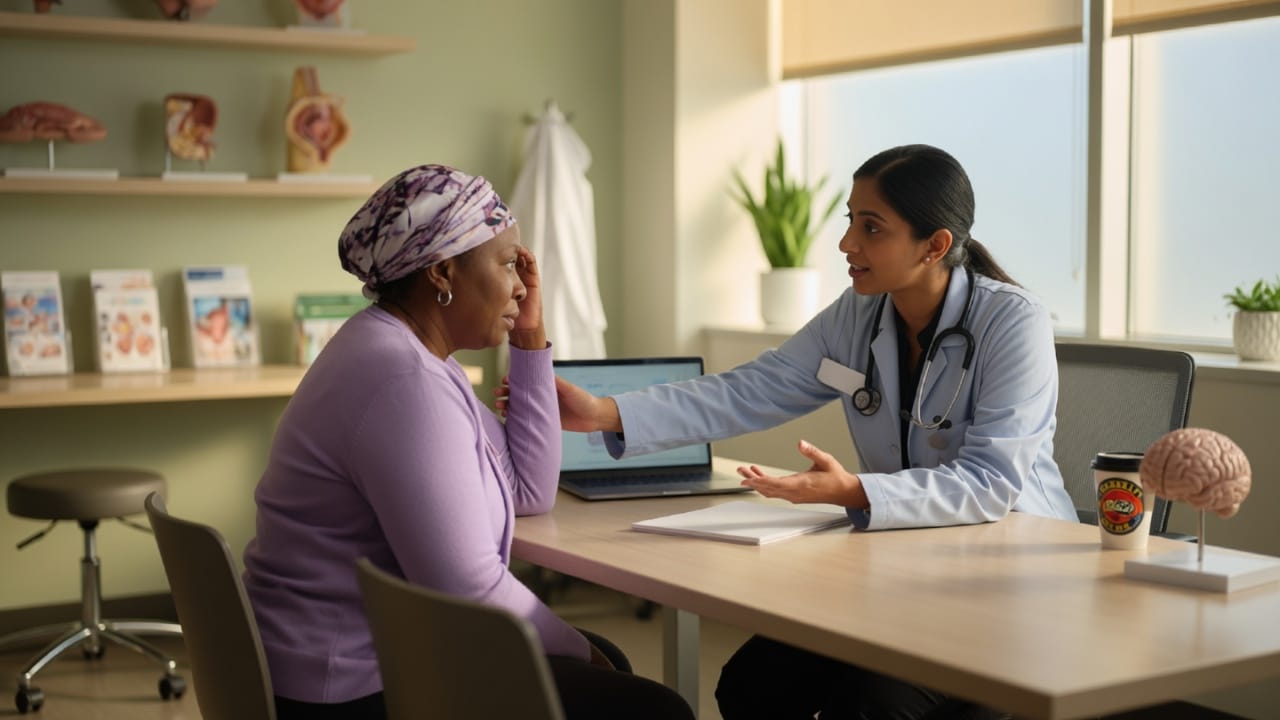
8 Warning Signs That Warrant a Neurology Visit
Some neurologic symptoms are easy to dismiss; others are frightening. Either way, it helps to know which warning signs deserve a specialist's attention. The brain, spinal cord, and nerves control movement, sensation, memory, and balance. When one of these systems is not working well, Neurology care can help uncover why. At IDCC Health, neurologists Yelena Amitina MD and Osher Rechester MD see patients for a wide range of these concerns. According to MedlinePlus, neurologic diseases can affect movement, speech, thinking, and more.
Many people begin with a Primary Care visit, which is often a smart first move. Your primary care doctor can check for common causes, order basic tests, and decide whether a neurologist is the right next step.
- Persistent or severe headaches. A headache that is new, different from your usual pattern, or accompanied by nausea, vomiting, or vision changes should not be ignored.
- Sudden numbness or tingling. Numbness, weakness, or a pins-and-needles feeling, especially on one side of the body, can signal a nerve problem or a more urgent issue.
- Dizziness or vertigo. If the room feels like it is spinning, or you feel faint and off-balance for no clear reason, it is worth a medical check.
- Balance problems. Stumbling, staggering, or feeling unsteady when walking can be linked to the brain, inner ear, or nerves.
- Memory changes. Forgetting recent events, repeating questions, getting lost in familiar places, or struggling to find common words can be early signs of a cognitive problem.
- Seizures or convulsions. Any seizure, including a brief staring spell or muscle jerking, needs a neurology evaluation.
- Vision changes. Double vision, sudden blurriness, or loss of vision can point to a problem in the brain or optic nerve.
- Muscle weakness or tremors. Trouble lifting your foot, gripping objects, or keeping your hands steady may be related to the nervous system.
Primary Care or Neurologist First? Understanding the Path to Referral
Many people wonder whether to book a primary care visit first or go straight to a specialist. Unless a symptom is sudden, severe, or clearly tied to the brain or nerves, start with Primary Care. Your primary care doctor looks at your whole health picture: blood pressure, medications, and basic lab work. Often this first step finds a simple cause, such as a vitamin deficiency or a tension headache, and no specialist is needed. Sudden weakness on one side of the body, face drooping, or trouble speaking are emergencies. Call 911, not a clinic. Sometimes dizziness or fainting can be traced to a heart rhythm issue, so your primary care doctor may also involve Cardiology.
When a nervous system problem is suspected, the next step is a neurologist. Whether you need a referral first depends on your insurance plan. Some plans require a referral from your primary care doctor before they will cover a specialist visit. Others let you book directly. If you are unsure, call your insurance company or ask the clinic when you schedule.
At IDCC Health, primary care and neurology are part of the same practice, so the path from referral to appointment is smooth. Records and test results move directly from your primary care doctor to the neurology team. A neurologist such as Yelena Amitina MD can then review your history, perform a focused exam, and order imaging or other tests if needed. Appointments are available at our 445 Kings Highway office in Brooklyn, making it easy to see both doctors in one familiar setting.
- Your primary care doctor may refer you if symptoms keep getting worse or new symptoms appear.
- A referral is also common when basic tests do not explain what you are feeling.
- You might go straight to a neurologist if you already have a known nerve, brain, or spinal condition that needs ongoing care.
What to Expect at Your First Neurology Appointment in Sheepshead Bay
Your first neurology visit usually starts with a long conversation. The neurologist will ask about your symptoms, when they started, how often they happen, and what makes them better or worse. Bring a list of your current medicines, past medical records, and any test results or imaging reports. This background helps the doctor understand your history before any hands-on testing begins.
After the conversation, the neurologist does a physical and neurological exam. You may be asked to follow a light with your eyes, walk across the room, stand with your eyes closed, or push against the doctor's hands. These simple actions help check reflexes, strength, coordination, sensation, and balance. The exam is guided by your symptoms, so no two visits look exactly the same.
At IDCC Health, patients see a team that works together. Yelena Amitina MD and Osher Rechester MD are part of the neurology team at our Brooklyn offices, including the location at 445 Kings Highway. After your appointment, your treatment plan may include other services in the same practice, depending on what the exam shows.
Common Reasons for Referral: Balance Problems, Post-Concussion Syndrome, and MRI Findings
Primary care doctors often refer patients to Neurology for three distinct problems: balance issues, post-concussion syndrome, and abnormal brain or spine MRI results. Balance problems can stem from the inner ear, the brainstem, or the nerves that carry position signals to the brain. A neurologist evaluates how you walk, how your eyes track, and how your body responds to sudden movement. Numbness can also come from a vitamin B12 deficiency, and if your primary care doctor suspects an absorption problem, you may also see Gastroenterology. For a closer look at the conditions behind these symptoms, see our guide to Neurological Disorders That Cause Balance Problems: When to See a Neurologist.
Post-concussion syndrome is another common referral reason. Concussion symptoms such as headache, dizziness, and trouble concentrating usually improve within weeks, but when they linger, a neurologist can help sort out why and recommend a recovery plan. At IDCC, neurologists like Yelena Amitina MD work alongside Rehabilitation and Physical Therapy services to support patients as they rebuild strength, balance, and confidence. For more detail, see What Can a Neurologist Do for Post-Concussion Syndrome?
Abnormal MRI findings are the third frequent trigger. Sometimes an MRI of the brain or spine shows white matter changes, an old stroke, a herniated disc, or a compressed nerve. Not every finding needs treatment, but a neurologist determines which ones do and whether further testing is needed. For some women, headaches are tied to hormonal changes, and a gynecologist can help coordinate care if that seems relevant. Spinal nerve compression, for example, can cause radiating leg pain and numbness, a topic covered in the National Institute of Neurological Disorders and Stroke fact sheet on low back pain. For more about why these images lead to a specialist visit, read Why Would I Be Referred to a Neurologist After an MRI?
- Dizziness or vertigo that keeps coming back
- Trouble keeping your balance while standing or walking
- Head injury symptoms that last longer than expected
- MRI findings that need a specialist opinion
- Numbness, tingling, or weakness in an arm or leg
- Headaches that change in pattern or intensity after a fall or bump to the head
Building Your Care Team: Neurology, Rehabilitation, Physical Therapy, and Pain Management
Building the right care team often starts with your primary care doctor. A family medicine physician can review your symptoms, check your medical history, and decide whether a neurology evaluation is needed. At IDCC Health, the neurology team includes Yelena Amitina MD and Osher Rechester MD, so your records, test results, and follow-up visits can stay in one place.
Neurology care rarely works alone. Depending on your condition, your plan may also include Physical Therapy or Pain Management. For example, someone recovering from a concussion might see a neurologist for brain health and a physical therapist for balance and coordination. Chronic back pain may involve both a neurologist and a pain management specialist. Additionally, Occupational Therapy can help you adapt daily tasks when coordination or fine motor skills are affected.
Knowing how the process works can reduce stress. If you're unsure whether a referral is required, ask your primary care doctor at your next visit. Bring a list of your symptoms, current medications, and any recent imaging results. The team will work together to create a plan that fits your daily life.
Finding a Neurologist in Sheepshead Bay: Local Offices and Next Steps
Finding a neurologist close to home is easier than you might think. At IDCC Health, the neurology team includes Yelena Amitina MD, who sees patients at the practice's Brooklyn offices. If you are coming from a primary care visit, your doctor can help arrange the referral and send along any relevant records.
When you book, you will be seen at a location that works for you. The office at 445 Kings Highway is easy to reach, and the practice also has locations at 2846 Stillwell Avenue (Coney Island) and 201 Kings Highway. After your visit, your neurologist may recommend rehabilitation to help you regain strength and function. The practice also offers physical therapy and occupational therapy as part of the same care team, so follow-up care can happen in one place.
Your first appointment is a chance to get clear answers. Bring any recent imaging or test results, and write down your symptoms and questions ahead of time. The most important thing is to take that first step and make the appointment.
Frequently Asked Questions About Seeing a Neurologist
Here are answers to common questions about seeing a neurologist. This information is educational, not a diagnosis. If you have new or worsening symptoms, talk to a doctor.
- What symptoms mean I should see a neurologist? Common warning signs include persistent headaches, dizziness, numbness or tingling, balance problems, memory changes, and seizures. These symptoms can point to issues in the brain, spinal cord, or nerves. If you notice new or worsening symptoms, it is worth getting a specialist evaluation.
- Do I need a referral from my primary care doctor? In many cases, your primary care doctor can send a referral to a neurologist. But you can also contact a neurology office directly to ask about appointments. For more details, read our guide, Do You Need a Referral to See a Neurologist?
- What happens during the first neurology visit? The neurologist will review your medical history, ask about your symptoms, and do a physical exam. They may check your reflexes, balance, and movement. Sometimes they order imaging or blood tests. You can get a step-by-step look at What Does a Neurologist Do on Your First Visit Step by Step.
- How should I prepare for the appointment? Bring a list of your symptoms, any medicines you take, and past test results. Write down questions you want to ask. It also helps to bring a family member who can remember details.
- Where can I see a neurologist? You can see a neurologist through our neurology team. Yelena Amitina MD is one of the neurologists at our practice. For more about the practice and location, visit our Neurologist in Sheepshead Bay page.
Related Articles
Related Providers & Services
When to Seek Care Right Away
- Symptoms that are severe, sudden, or rapidly getting worse
- Fever along with pain or other new symptoms
- Chest pain, difficulty breathing, or fainting
- Numbness, weakness, or loss of function in an arm or leg
- Any symptom severe enough to interrupt sleep, work, or daily activities for more than a few days
Sources
Disclaimer: This article is for general educational purposes only and is not a substitute for professional medical advice, diagnosis, or treatment. Always seek the advice of your physician or another qualified health provider with any questions you may have regarding a medical condition.
Questions about your health? We're nearby.
Board-certified providers across 17 specialties — three Brooklyn locations, open Sundays at 445 Kings Highway.
- ✓ Same-week appointments
- ✓ Most major insurance accepted & verified for you
- ✓ Spanish-speaking staff available
Book a visit
We'll call you back to confirm — usually the same day.
Prefer to talk? Call 718-375-3200

When to See a Neurologist in Midwood: Warning Signs and Next Steps
Oct 24, 2026
When to See a Neurologist in Gravesend: Warning Signs and What to Expect
Oct 23, 2026
When to See a Neurologist in Coney Island: 10 Warning Signs Not to Ignore
Oct 22, 2026