Cardiology in Brooklyn: Expert Heart Care with Dr. Alexander Natanzon

By the IDCC Health editorial team
Comprehensive Cardiology Services
At our practice, comprehensive cardiology care begins with a patient-centered approach. Alexander Natanzon MD leads our team, focusing on prevention, accurate diagnosis, and long-term management of heart conditions. Whether you are dealing with high blood pressure, an irregular heartbeat, or more complex issues, our goal is to keep your heart healthy. For trusted patient education, MedlinePlus offers a wide range of information on heart diseases.
Our Cardiology department is equipped to handle everything from routine check-ups to advanced heart conditions. We coordinate closely with your Primary Care provider to ensure your heart health is part of your overall wellness. This collaborative approach helps catch issues early and keeps your whole health picture in view.
Common Heart Conditions We Diagnose and Manage
At IDCC, our cardiology team diagnoses and manages a wide range of heart conditions. These include high blood pressure (hypertension), arrhythmias (irregular heartbeats), heart failure, coronary artery disease, and valve problems. We also evaluate palpitations and conditions like POTS, which can cause dizziness and a rapid heartbeat when standing. According to the National Institutes of Health, many heart conditions develop slowly and can be managed better when they are found early.
When to See a Cardiologist: The Role of Primary Care
Your Primary Care doctor is often the first person you talk to about heart health. They can check your blood pressure, cholesterol, and other risk factors during routine visits. They can also spot early signs of heart trouble and guide you on next steps. For many people, Primary Care is enough to keep their heart healthy. But sometimes, a specialist is needed.
You should see a cardiologist if you have symptoms such as chest pain, shortness of breath, palpitations, or dizziness. A family history of heart disease or abnormal test results from your Primary Care doctor are also reasons to get a specialist's opinion. Alexander Natanzon MD, a cardiologist at our practice, works closely with Primary Care doctors to provide expert heart care. He can run more detailed tests and create a treatment plan tailored to you. According to the American Academy of Family Physicians, early detection and management of heart disease risk factors can significantly improve outcomes. Common risk factors include high blood pressure, high cholesterol, smoking, diabetes, and a sedentary lifestyle. If you have any of these, talk to your Primary Care provider about whether a cardiology evaluation is right for you.
In some cases, your Primary Care doctor will set up an ambulatory referral to cardiology. This is a scheduled, non-emergency appointment with a heart specialist. You can learn more about how this process works in our article What is Ambulatory Referral to Cardiology?. Before your visit, you may be told to fast or avoid certain foods. Our guide Can You Eat Before a Cardiology Appointment? explains the typical instructions. Appointments are available at our locations, including 445 Kings Highway and 2846 Stillwell Avenue.
- Chest pain or pressure
- Shortness of breath, especially with activity
- Irregular heartbeat or palpitations
- High blood pressure that does not respond to treatment
- A history of heart attack, stroke, or heart failure
- A family history of early heart disease
What to Expect During Your Cardiology Visit
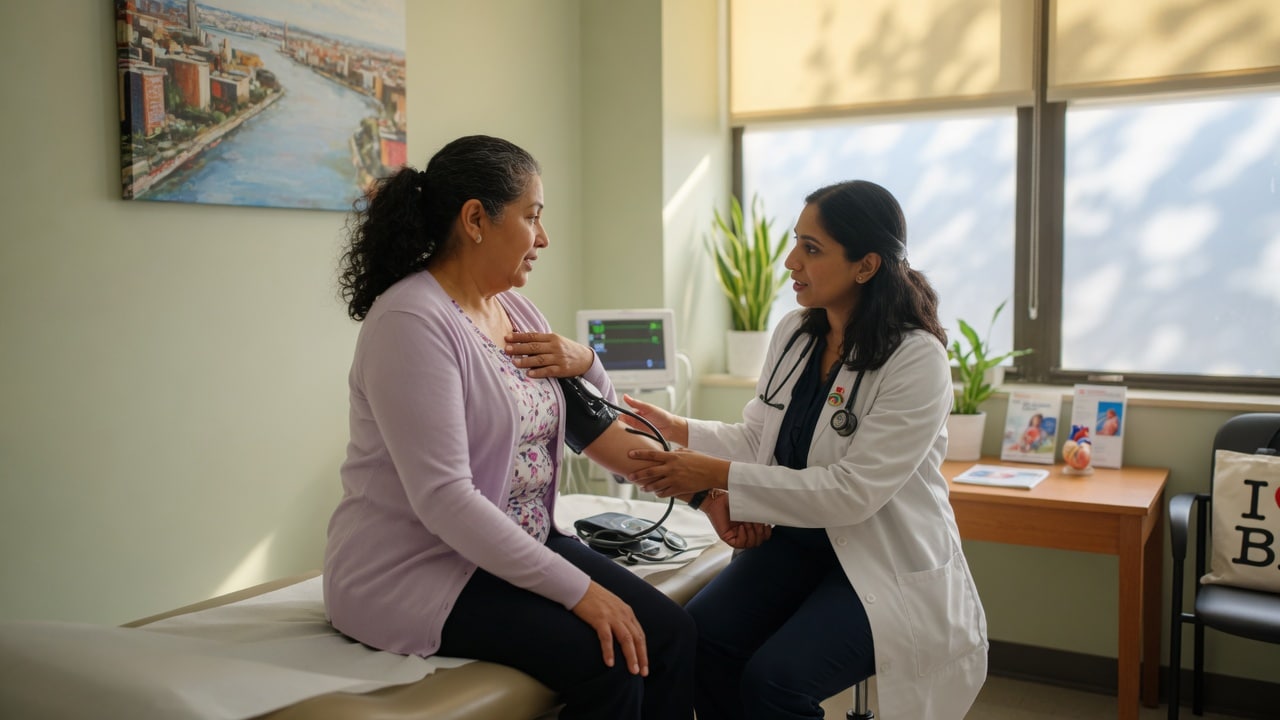
Your first visit with Alexander Natanzon MD starts with a thorough review of your medical history, family history, and current symptoms. He will listen to your heart, check your blood pressure, and ask about your lifestyle, including diet, exercise, and stress levels. Because heart health is closely tied to overall wellness, Dr. Natanzon often coordinates with your Primary Care provider to ensure your care plan is fully integrated.
Depending on your symptoms, Dr. Natanzon may recommend diagnostic tests such as an electrocardiogram (EKG), an echocardiogram, or a stress test. For some conditions, you might need a wearable monitor for a day or two, which is part of an ambulatory referral. If you're curious about how that process works, our article What is Ambulatory Referral to Cardiology? explains it in detail. Also, some blood tests require fasting beforehand, so check our guide Can You Eat Before a Cardiology Appointment? to know exactly how to prepare. According to MedlinePlus, these tests help identify heart diseases early, which improves treatment outcomes.
After your evaluation, Dr. Natanzon will discuss your results and create a personalized treatment plan. This may include medications, lifestyle changes, or further testing. For busy New Yorkers, small daily habits can make a big difference, and our article Heart-Healthy Habits for Busy New Yorkers offers practical tips. If you need ongoing care, you can visit us at our 445 Kings Highway location or our other offices. The entire team is here to support you, from Rehabilitation and Pain Management to Physical Therapy and Neurology, so you have access to comprehensive care under one roof. It's also helpful to bring a list of any supplements you take, as some can affect heart health. If you have a family history of heart disease, let Dr. Natanzon know so he can assess your risk.
- Bring a list of your current medications and any past test results.
- Wear comfortable clothing and avoid heavy meals or caffeine before your appointment unless instructed otherwise.
- Arrive 15 minutes early to complete any necessary paperwork.
Heart-Healthy Living for Busy New Yorkers
Living in a busy city means a packed schedule, but heart health doesn't have to take a back seat. Small, consistent choices can make a big difference. For practical strategies tailored to your daily routine, our guide on Heart-Healthy Habits for Busy New Yorkers offers simple swaps for meals, movement, and stress relief. The National Institutes of Health also provides evidence-based tips on preventing heart disease.
Beyond diet and exercise, managing stress and getting enough sleep are key. If you experience dizziness or rapid heartbeat when standing, you might be dealing with POTS syndrome. Our article Can POTS Syndrome Kill You? What You Need to Know explains the symptoms and when to seek help. For ongoing support, your Primary Care provider can monitor your blood pressure and cholesterol, and coordinate with a cardiologist like Alexander Natanzon MD when needed. Chronic stress can take a toll on your heart. Finding healthy ways to cope, such as meditation, yoga, or talking to a therapist, is important. Our Psychiatry and Occupational Therapy services can support your mental and physical well-being.
These habits are best discussed with your care team. At our office at 445 Kings Highway, we offer cardiology consultations and follow-ups. For more information on heart conditions, MedlinePlus is a trusted resource. Remember, even small steps like a daily walk or choosing water over sugary drinks can protect your heart for years to come.
- Choose whole grains instead of refined carbs.
- Add a 10-minute walk after meals.
- Practice deep breathing for 5 minutes daily.
- Aim for 7-9 hours of sleep.
Preventive Cardiology: Key Steps
Prevention is the cornerstone of heart health. Even if you have no symptoms, regular checkups can catch risk factors like high cholesterol, high blood pressure, and diabetes early. According to the American Heart Association, managing these conditions can significantly reduce your risk of heart disease. Our team works with you to create a prevention plan that fits your lifestyle.
Simple changes like quitting smoking, maintaining a healthy weight, and staying active are proven to lower your risk. The National Institutes of Health recommends at least 150 minutes of moderate exercise per week. If you need guidance, our Physical Therapy and Rehabilitation departments can help you build a safe exercise routine. For more tips, see our guide on Heart-Healthy Habits for Busy New Yorkers.
Convenient Locations for Heart Care
Alexander Natanzon MD leads our Cardiology team with a patient-centered approach, focusing on clear communication and personalized treatment plans. Whether you need a routine check-up or ongoing management of a heart condition, our Cardiology department is ready to help. For reliable information on heart conditions, MedlinePlus offers comprehensive resources.
Our offices are located in Brooklyn at 445 Kings Highway, 2846 Stillwell Avenue, and 201 Kings Highway. Each location is easily accessible by public transportation and offers parking options. We understand that your time is valuable, so we strive to keep appointments on schedule and minimize wait times. If you are unsure which location is best for you, our staff can help you choose the one that fits your needs.
These locations also house a range of other services, making it easy to coordinate your care. You can see a Primary Care doctor for routine health needs, or visit our Rehabilitation and Physical Therapy departments for recovery support. We also offer Pain Management, Neurology, Gynecology, Gastroenterology, Occupational Therapy, Psychiatry, and Podiatry. This integrated approach means you can often schedule multiple appointments in one visit, saving you time and effort. The National Institutes of Health (NIH) emphasizes the importance of coordinated care for chronic conditions.
- 445 Kings Highway
- 2846 Stillwell Avenue
- 201 Kings Highway
Meet Your Cardiologist: Dr. Alexander Natanzon
Alexander Natanzon MD is a board-certified cardiologist who leads our cardiology department. He believes in listening first, explaining clearly, and building a plan that fits your life. Whether you're managing a long-term condition or coming in for a first checkup, he takes time to understand your history, your concerns, and your goals.
He works closely with your Primary Care physician to make sure your heart health is part of your overall wellness. If you've been referred for a heart evaluation, you may be wondering, 'What is Ambulatory Referral to Cardiology?' Dr. Natanzon takes the time to answer all your questions and makes sure you feel comfortable with every step.
You can see Dr. Natanzon at our 445 Kings Highway office. For more information on heart disease and prevention, MedlinePlus offers reliable resources that Dr. Natanzon often recommends to his patients.
Frequently Asked Questions About Cardiology
Many patients have questions about heart care. Below are answers to common concerns. For reliable information on heart diseases, MedlinePlus offers a comprehensive overview.
One frequent question is whether you can eat before a cardiology appointment. The answer depends on the tests planned. Our guide on eating before a cardiology visit explains the details. Another common topic is ambulatory referral, which is often needed for continuous heart monitoring. Learn more about what ambulatory referral to cardiology involves. For information on costs without insurance, see our guide on how much it costs to see a cardiologist without insurance. Many patients also ask if they need a referral. In most cases, you can see a cardiologist directly, but some insurance plans require a referral from your Primary Care provider. Check with your insurance to be sure.
If you're unsure whether you need a cardiologist, start with your Primary Care provider. They can refer you when necessary. Our team also coordinates with specialists like Rehabilitation and Pain Management. Visit us at our locations, including 445 Kings Highway, for personalized care.
When to Seek Care
If you experience any of the following symptoms, seek emergency medical care immediately: chest pain or discomfort, shortness of breath, fainting, or sudden dizziness. Do not wait for an appointment. Call 911 or go to the nearest emergency room. These could be signs of a heart attack or other serious condition.
For non-emergency concerns, such as new or worsening symptoms that are not severe, contact your Primary Care provider or our office to schedule an evaluation. Early intervention can make a significant difference in outcomes.
- Chest pain or pressure that lasts more than a few minutes
- Pain or discomfort in the jaw, neck, back, or arms
- Shortness of breath with or without chest discomfort
- Cold sweat, nausea, or lightheadedness
- Sudden weakness or numbness on one side of the body
Disclaimer
This article is for informational purposes only and does not replace professional medical advice. Always consult a qualified healthcare provider for diagnosis and treatment. If you think you are having a medical emergency, call 911 immediately.
Related Articles
Our Brooklyn Locations
When to Seek Care Right Away
- Symptoms that are severe, sudden, or rapidly getting worse
- Fever along with pain or other new symptoms
- Chest pain, difficulty breathing, or fainting
- Numbness, weakness, or loss of function in an arm or leg
- Any symptom severe enough to interrupt sleep, work, or daily activities for more than a few days
Sources
Disclaimer: This article is for general educational purposes only and is not a substitute for professional medical advice, diagnosis, or treatment. Always seek the advice of your physician or another qualified health provider with any questions you may have regarding a medical condition.
Questions about your health? We're nearby.
Board-certified providers across 17 specialties — three Brooklyn locations, open Sundays at 445 Kings Highway.
- ✓ Same-week appointments
- ✓ Most major insurance accepted & verified for you
- ✓ Spanish-speaking staff available
Book a visit
We'll call you back to confirm — usually the same day.
Prefer to talk? Call 718-375-3200

Cardiology in Brooklyn: Expert Heart Care with Dr. Alexander Natanzon
Aug 31, 2026
Cardiology in Brooklyn, NY: Comprehensive Heart Care at IDCC Health
Aug 30, 2026
Heart Specialist in Brooklyn: When to See a Cardiologist and What to Expect
Jul 17, 2026