How to Remove Pimples Naturally and Permanently at Home
Pimples often seem to disappear—only to return at the worst possible moment. What if the real solution isn’t hiding in expensive treatments, but in simple habits you haven’t tried yet? In How to Remove Pimples Naturally and Permanently at Home, we explore what truly causes breakouts and reveal how to remove pimples naturally and permanently using effective, at-home approaches that support lasting skin clarity.
TL;DR
This article explains how to remove pimples naturally and permanently at home by addressing the root causes of acne and adopting consistent daily habits. It highlights that breakouts result from clogged pores, excess oil, bacteria, inflammation, and lifestyle factors such as stress and diet. Long-term clear skin depends on gentle skincare routines, healthy lifestyle choices, regular use of natural remedies, careful monitoring of skin reactions, and preventive habits to avoid future breakouts.
Ask questions with a primary care doctor brooklyn at 11234
Which natural remedies for acne really work?
Natural acne remedies have been used for generations and remain popular because of their simplicity and accessibility. These methods rely on common household ingredients that can be easily incorporated into a daily skincare routine and are suitable for teens and adults alike.
Some of the most common approaches include applying natural foods and products directly to the skin or using masks made with fresh ingredients. These remedies aim to help dry out pimples, reduce inflammation, and support skin renewal without leaving visible marks.
Other natural treatments combine ingredients with hydrating, cleansing, and antioxidant properties, used either as masks or spot treatments. Their goal is to offer a simple and affordable alternative for acne care that fits easily into everyday life and adapts to different skin types.
Identifying the Causes of Acne and Skin Breakouts
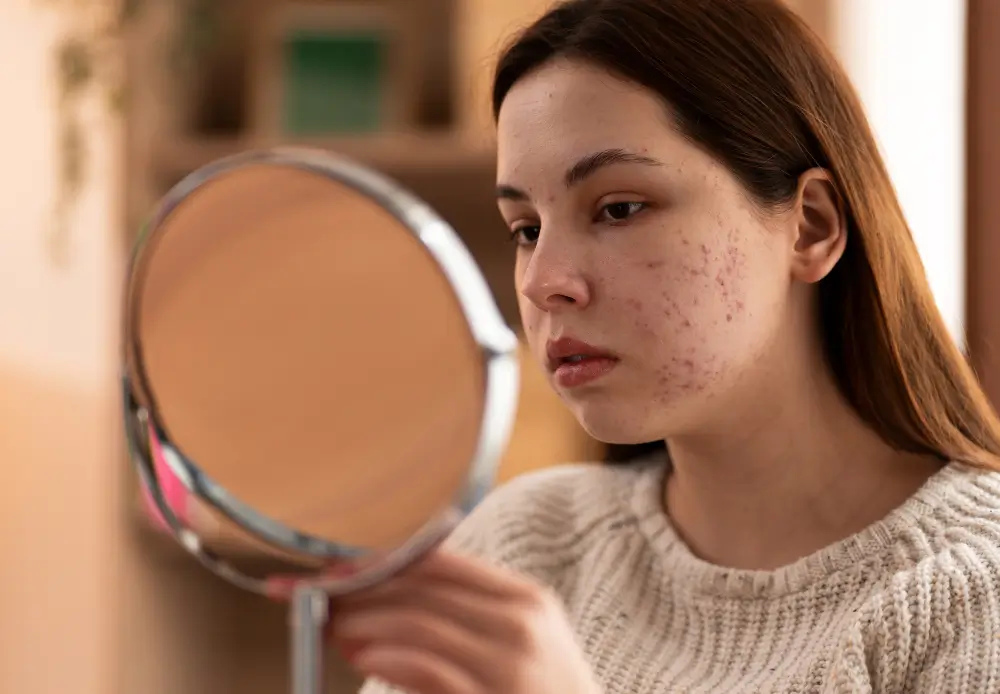
Acne and skin breakouts occur when pores, also known as hair follicles, become clogged with excess natural oil (sebum) and dead skin cells. This blockage creates an environment that allows bacteria to grow and triggers inflammation, leading to different types of skin lesions. Several internal and external factors influence this process and explain why acne can appear at different life stages.
Main Causes of Acne
- Hormonal changes: Fluctuations in hormones such as androgens and estrogens increase oil production, especially during puberty, pregnancy, or other hormonal shifts.
- Genetics: A family history of acne increases the likelihood of developing breakouts.
- Pore blockage: The buildup of oil and dead skin cells forms plugs known as comedones.
- Bacterial growth: P. acnes multiplies inside clogged pores and contributes to inflammation.
- Inflammation: The body’s response to trapped bacteria leads to lesions such as papules, pustules, nodules, or cysts.
Contributing Factors That Worsen Breakouts
- Stress: Can increase oil production and worsen inflammation.
- Diet: High–glycemic foods, including sugars and refined carbohydrates, may stimulate acne-related hormones.
- Skincare and makeup products: Greasy formulas or products that prevent the skin from breathing can clog pores.
- Friction and pressure: Helmets, tight clothing, or frequent phone contact with the face can trigger breakouts.
- Pollution: Pollutants can oxidize sebum and damage the skin barrier.
- Medications: Certain drugs, such as corticosteroids, may disrupt hormonal balance.
Knowing how acne develops and what triggers it allows for better skincare decisions and helps reduce recurring breakouts.
Adopting Daily Habits That Support Clear Skin
Building healthy daily habits supports clean, balanced, and radiant skin over time. A consistent skincare routine combined with a balanced lifestyle helps protect the skin from impurities, external damage, and recurring breakouts while strengthening its natural barrier.
Daily Skincare Routine
- Wash your face twice a day using lukewarm water and a gentle cleanser suited to your skin type to remove oil, makeup, and pollution.
- Cleanse gently, avoid scrubbing, skip hot water, and dry your face with a clean towel to prevent irritation.
- Apply a moisturizer after cleansing to maintain elasticity and protect the skin barrier.
- Use sunscreen daily, even on cloudy days, to prevent cumulative damage and premature aging.
- Exfoliate in moderation to remove dead skin cells; frequency depends on skin type.
Lifestyle and Nutrition Habits
- Follow a balanced diet rich in fruits, vegetables, lean proteins, nuts, and omega-3–rich fish.
- Stay well hydrated to support skin health and toxin removal.
- Get adequate sleep to allow skin repair and renewal.
- Manage stress levels to reduce skin imbalance.
- Avoid smoking, as it reduces blood flow and accelerates visible aging.
These habits create a strong foundation for clearer, healthier skin with long-lasting results.
Using Effective Natural Remedies Consistently
Natural acne control depends on consistency and proper use of topical remedies that soothe the skin and reduce inflammation. These methods are applied directly to blemishes and are part of a daily or weekly routine designed to support skin balance without harsh solutions.
| Natural Remedy | How It’s Used | Main Purpose |
| Tea tree oil | Diluted, spot application | Reduce bacteria and inflammation |
| Aloe vera | Direct application | Soothe and hydrate |
| Green tea | Topical use with cotton or spray | Reduce oil and bacteria |
| Apple cider vinegar | Diluted before use | Act as an astringent |
| Honey and cinnamon | Temporary mask | Fight bacteria |
| Ice | Brief direct application | Reduce inflammation |
The effectiveness of these remedies depends on regular and careful use. When applied consistently and as directed, they support daily skincare and help keep breakouts under control.
Monitoring Skin Response and Adjusting Treatments
Tracking how your skin reacts is a key part of natural acne management. This process involves noting what worsens breakouts and what improves them while avoiding skin picking and maintaining patience. Gradual adjustments help maintain balance between cleansing, hydration, and natural anti-inflammatory ingredients.
Monitoring Your Skin Response
- Track how often breakouts appear, whether daily, weekly, or during hormonal changes.
- Watch for increased inflammation or pain and use ice or green tea to calm it.
- Monitor oiliness and adjust with ingredients such as green tea or oatmeal.
- Reduce treatment strength if redness, dryness, or irritation occurs.
- Address scarring or marks with zinc and antioxidant support.
Consistent observation and routine adjustments help maintain long-term skin balance and prevent unnecessary irritation.
Maintaining Long-Term Skin Health and Preventing New Pimples
Long-term skin health depends on consistency and a well-structured daily routine. Gentle cleansing twice a day combined with non-comedogenic hydration helps keep pores clear and protected. Removing makeup before bed, using sunscreen regularly, and avoiding pimple popping reduces inflammation and scarring.
Lifestyle habits strongly influence new breakouts. A balanced diet lower in sugars, fats, and dairy and rich in fruits and vegetables supports skin balance. Adequate hydration, regular exercise, stress management, proper hygiene, clean pillowcases, and keeping hair away from the face all contribute to clearer skin.
In some cases, adding targeted treatments may help prevent persistent breakouts or address skin marks. Active ingredients that help unclog pores and control blemishes, along with professional treatments when needed, can be part of a broader strategy. Consistent care, healthy habits, and ongoing adjustment support long-term clear, balanced skin.
Key Takeaways
- Breakouts occur when excess oil and dead skin cells block pores, allowing bacteria and inflammation to develop. Hormonal changes, genetics, stress, diet, skincare products, and environmental factors all influence acne formation.
- Topical ingredients like tea tree oil, aloe vera, green tea, honey, and ice are applied directly to calm inflammation and reduce bacteria. Their effectiveness depends on regular, careful use as part of a routine rather than one-time application.
- Gentle cleansing, proper hydration, sun protection, and moderate exfoliation help maintain the skin’s barrier. These habits reduce irritation, prevent pore blockage, and support healthier-looking skin over time.
- A balanced diet, adequate hydration, sufficient sleep, stress management, and avoiding smoking contribute to clearer skin. Healthy daily routines reinforce skincare efforts and help prevent recurring pimples.
- Observing changes in inflammation, oiliness, irritation, or scarring helps guide routine adjustments. Adapting treatments based on skin reaction supports long-term balance and prevents unnecessary irritation.
FAQs
How to permanently remove pimples?
Permanently reducing pimples requires consistency with a gentle daily skincare routine, keeping pores clear with targeted ingredients, staying hydrated, managing stress, and avoiding touching the face. Long-term results come from maintaining these habits and adjusting care as your skin responds.
How to remove pimples in 7 days?
To reduce pimples in a week, cleanse your face daily, apply spot treatments to calm inflammation, use soothing remedies like ice or aloe vera, and avoid picking. Supporting healing with proper hydration and a balanced diet helps speed up visible improvement.
How to 100% clear acne?
Completely clearing acne requires an ongoing, holistic approach that includes gentle cleansing, consistent treatments, sun protection, and lifestyle balance. While results vary, long-term control depends on patience, routine care, and adjusting treatments as needed.
What helps remove pimples fast?
Fast relief comes from spot treatments that reduce inflammation, applying ice to shrink swelling, and calming the skin with aloe vera or tea tree oil. Keeping the area clean and hands off helps prevent worsening or new breakouts.
Sources
- Jain, D. Acne: What is it and What causes Acne.
https://www.keytoperfecthealth.com
- Agarwal, N., & Jindal, A. (2023). Herbal components as an advantageous remedy for pimple and acne in face-wash: a systemic review. Current research in pharmaceutical sciences, 01-20.
https://www.crpsonline.com/index.php/crps/article
You may also like
- Want to Get Rid of a Double Chin? Causes and Solutions
- How to Remove Corns on Feet Naturally at Home (Overnight & Permanent Solutions)
- Vaginal Bumps: What’s Normal and What’s Not?
IDCC Health Services: Kings Hwy 445
445 Kings Hwy, 2nd Floor,
Brooklyn, NY 11223
Email: info@idcchealth.org
Phone: 718-715-0613
IDCC Health Services: Stillwell Ave
2846 Stillwell Ave,
Brooklyn, NY 11224
Email: info@idcchealth.org
Phone: 718-715-0613
IDCC Health Services: Kings Hwy 201
201 Kings Hwy,
Brooklyn, NY 11223
Email: info@idcchealth.org
Phone: 718-715-0629
Ready to Visit IDCC Health Services?
Find the nearest location and get directions to start your health journey with us today.