
What Conditions Do Neurologists Diagnose and Treat?
A neurologist doesn’t just treat headaches or seizures, but what exactly falls under their care? The answer often surprises patients who overlook subtle symptoms or dismiss them as minor. Exploring What Does a Neurologist Diagnose and Treat? reveals how these specialists identify hidden neurological conditions and why early evaluation can make a meaningful difference in long-term health outcomes.
Search for the best neurologist in Brooklyn today.
TL;DR:
Neurologists diagnose and manage a wide range of disorders affecting the brain, spinal cord, and nerves. They identify conditions through detailed medical histories, neurological exams, and targeted tests such as imaging and electrical studies. Test results are interpreted to create personalized treatment plans, with ongoing monitoring and adjustments over time to manage symptoms, track progression, and support long-term quality of life.
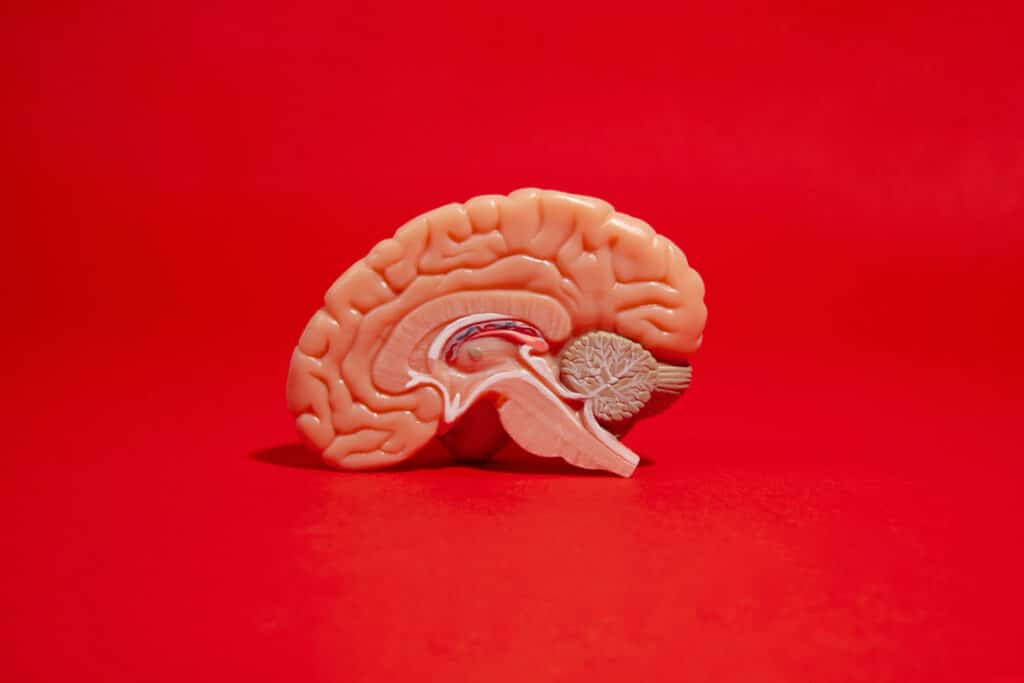
How Can a Neurologist Identify Neurological Disorders?
A neurologist is a medical doctor specially trained to diagnose and treat disorders of the nervous system, which includes the brain, spinal cord, and peripheral nerves. When a patient presents with symptoms such as headaches, memory changes, weakness, numbness, seizures, dizziness, or movement problems, the neurologist begins by gathering a detailed medical history and performing a thorough neurological examination. This process helps determine whether symptoms are likely caused by a nervous system issue or another medical condition.
Through this evaluation, neurologists assess symptom patterns and physical findings to narrow down possible causes. They then selectively use diagnostic tests to confirm or rule out specific conditions. This structured clinical approach integrates patient history, examination results, and test findings to support an accurate diagnosis.
Common Neurological Conditions Diagnosed by Neurologists
Neurologists diagnose a wide range of conditions that affect nervous system function. These commonly include:
- Stroke and cerebrovascular disorders – conditions where blood flow to the brain is blocked or interrupted.
- Seizure disorders and epilepsy – characterized by abnormal electrical activity in the brain.
- Movement disorders – such as Parkinson’s disease and tremor-related conditions.
- Neurodegenerative diseases – including Alzheimer’s disease and other forms of dementia.
- Multiple sclerosis and demyelinating diseases – where the protective insulation around nerves is damaged.
- Peripheral neuropathies – disorders affecting nerves outside the brain and spinal cord.
- Headache and migraine disorders – chronic or disabling headache conditions.
- Traumatic brain or spinal cord injury – resulting from accidents or physical impacts.
- Infections of the nervous system – such as meningitis or encephalitis.
Each of these conditions can present with symptoms like weakness, sensory changes, memory or behavior issues, visual disturbances, or involuntary movements. A neurologist’s training allows them to recognize these patterns and determine which conditions are most likely based on the overall clinical picture.
Methods Neurologists Use to Evaluate Symptoms
Neurologists follow a systematic process to evaluate neurological symptoms and understand how the nervous system may be affected. This approach combines patient-reported information with clinical findings to narrow down possible causes before moving to advanced testing.
- Detailed medical interview: Involves questions about symptom onset, duration, progression, and specific triggers, along with a review of personal and family medical history. This helps establish context and identify potential risk factors.
- Neurological examination: A hands-on clinical assessment that evaluates motor strength, coordination, reflexes, sensory perception (touch, vibration, pain, temperature), cranial nerve function (vision, facial movement, hearing, swallowing), balance, gait, and cognitive function. These findings help determine whether nervous system function is normal or disrupted.
- Behavior and mental status assessment: When memory or thinking concerns are present, standardized cognitive testing may be used to help identify conditions such as dementia or brain injury.
Diagnostic Tests and Imaging Procedures
To support diagnostic accuracy, neurologists may use targeted tests and imaging studies that visualize nervous system structures or measure electrical activity. These tools are selected based on symptoms and initial exam results.
Common diagnostic procedures include:
- MRI (Magnetic Resonance Imaging): Produces detailed images of soft tissues and is useful for identifying strokes, tumors, inflammation, and neurodegenerative changes.
- CT (Computed Tomography) scan: Provides rapid imaging and is especially helpful for detecting bleeding, fractures, or acute stroke.
- EEG (Electroencephalogram): Records brain electrical activity and is essential for evaluating epilepsy and certain sleep disorders.
- EMG (Electromyography) and nerve conduction studies: Measure electrical activity in muscles and nerves to detect nerve damage, neuropathies, or neuromuscular junction disorders.
- Lumbar puncture (spinal tap): Analyzes cerebrospinal fluid for signs of infection, inflammation, or autoimmune conditions such as multiple sclerosis.
- PET and SPECT imaging: Advanced functional imaging techniques that show metabolic or blood flow changes in the brain, often used in dementia or tumor evaluation.
These procedures are ordered selectively to maximize diagnostic value while minimizing unnecessary testing.
Interpreting Results to Determine Treatment Plans
Once diagnostic data are collected, neurologists interpret all findings in the context of the patient’s clinical presentation. This process involves synthesizing information from imaging studies, electrical recordings (such as EEG or EMG), laboratory tests, and physical examination results to form a complete picture of nervous system function.
Specific patterns in test results are correlated with reported symptoms to clarify a diagnosis. For example, MRI evidence of demyelination combined with characteristic clinical features may suggest multiple sclerosis, while EEG abnormalities during seizures support a diagnosis of epilepsy. This step helps determine disease severity and likely prognosis.
Based on this comprehensive interpretation, the neurologist develops a personalized treatment plan. This may include medications, lifestyle modifications, rehabilitation therapies, or referrals to specialists, depending on the findings. Tailored planning ensures care aligns with the patient’s condition, symptoms, and overall health goals.
Monitoring Progress and Adjusting Care Over Time
After a treatment plan is initiated, ongoing monitoring plays a critical role because many neurological conditions can change over time. Regular follow-up appointments allow neurologists to evaluate how a patient is responding to treatment and whether symptoms are improving, worsening, or remaining stable.
During these visits, neurologists track symptom progression or improvement through clinical examinations and patient-reported outcomes. When appropriate, repeat imaging or diagnostic tests may be used to reassess how the condition and its treatment are evolving. Based on these findings, medications or therapies may be adjusted to improve effectiveness or reduce side effects.
Ongoing care often involves coordination with other forms of support, including physical therapy, occupational therapy, speech therapy, or psychological services, to ensure comprehensive management. This long-term, adaptive approach allows care plans to be refined over time, helping optimize quality of life and functional outcomes, especially for chronic or progressive neurological disorders such as Parkinson’s disease, multiple sclerosis, or dementia.
Key Takeaways
- Neurologists diagnose and treat a wide range of nervous system conditions
Neurologists care for disorders affecting the brain, spinal cord, and peripheral nerves. These conditions go beyond headaches and seizures and may involve subtle or progressive symptoms. - Diagnosis begins with history-taking and a neurological exam
Neurologists collect detailed symptom histories and perform structured physical examinations. This helps determine whether symptoms stem from the nervous system or another cause. - Many different neurological conditions share overlapping symptoms
Conditions such as stroke, epilepsy, Parkinson’s disease, multiple sclerosis, dementia, and neuropathies are commonly diagnosed. They may present with weakness, sensory changes, cognitive issues, or involuntary movements. - Targeted tests and imaging support diagnostic accuracy
MRI, CT, EEG, EMG, lumbar puncture, and functional imaging may be used selectively. These tools visualize structure, assess electrical activity, or detect inflammation or damage. - Treatment and care evolve through interpretation and ongoing monitoring
Test results are interpreted alongside symptoms to guide personalized treatment plans. Care may include medications, therapy, lifestyle changes, or referrals as needed.
FAQs
What symptoms require a neurologist?
Symptoms that often require a neurologist include persistent or severe headaches, seizures, numbness or weakness, memory or thinking changes, dizziness, balance problems, involuntary movements, and unexplained sensory changes.
What are four things neurologists check during a neurological exam?
Neurologists commonly evaluate mental status, cranial nerve function, muscle strength and movement, and sensory responses. They may also assess reflexes, coordination, balance, and gait.
What are signs of neurological problems?
Signs can include weakness, numbness or tingling, vision or speech changes, memory or behavior changes, tremors, loss of coordination, seizures, or difficulty walking.
What are common reasons to see a neurologist?
Common reasons include headaches or migraines, seizures or epilepsy, movement disorders, memory problems, stroke-related symptoms, nerve pain or neuropathy, and evaluation after brain or spinal cord injury.
Sources
National Academies of Sciences, Engineering, and Medicine; Health and Medicine Division; Board on Health Care Services; Committee on Identifying New or Improved Diagnostic or Evaluative Techniques. Advances in the Diagnosis and Evaluation of Disabling Physical Health Conditions. Washington (DC): National Academies Press (US); 2023 May 1. 5, Techniques for Neurological Disorders. Available from: https://www.ncbi.nlm.nih.gov/books/NBK593674/
Epelbaum, S., & Cacciamani, F. (2023). Clinical Assessment of Brain Disorders. In O. Colliot (Ed.), Machine Learning for Brain Disorders. (pp. 233–252). Humana. https://doi.org/10.1007/978-1-0716-3195-9_7
You May Also Like