What Is an Occupational Therapist? A Complete Guide for Brooklyn Residents
By the IDCC Health editorial team
What Is an Occupational Therapist?
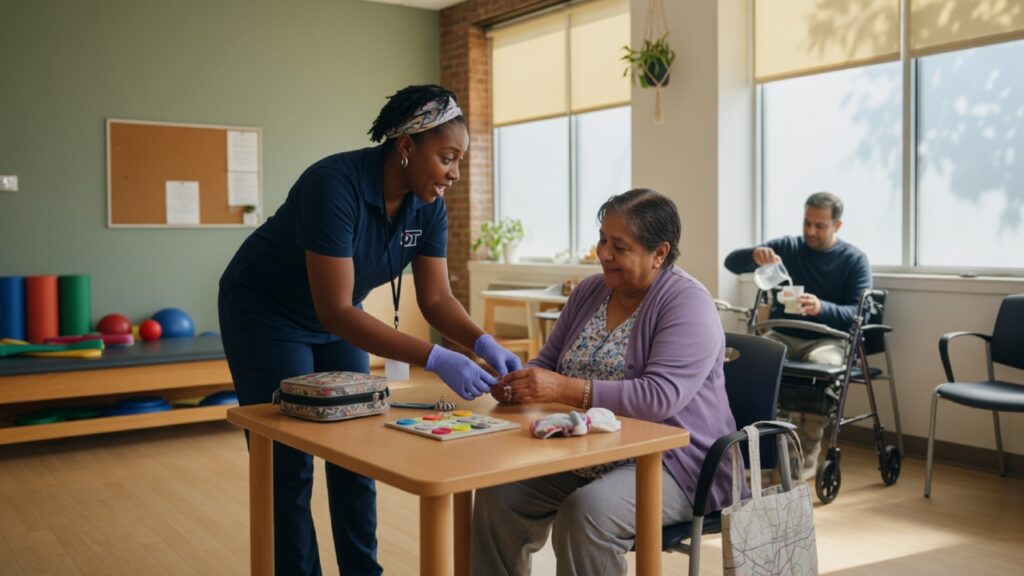
An occupational therapist (OT) is a trained healthcare professional who helps people of all ages do the things they need and want to do in their daily lives. These activities, called "occupations", include dressing, cooking, working, going to school, and enjoying hobbies. When an injury, illness, or disability makes these tasks hard, an OT finds practical ways to make them possible again. At IDCC Health, occupational therapy is part of a larger Rehabilitation service that also includes Physical Therapy, which focuses more on movement and strength, but the two often work together to give patients complete care.
OTs work with a wide range of conditions. For a toddler struggling with sensory processing or self-care, therapy might involve playful activities to build coordination and calmness, you can read more in our sibling article on occupational therapy for toddler behavior issues. For an adult recovering from a stroke, an OT might teach new ways to bathe or cook safely. Chronic conditions such as arthritis, nerve damage, or chronic pain are also common reasons to see an OT. Because these issues often overlap with other health problems, OTs collaborate with specialists in Neurology, Pain Management, and even Psychiatry to address both physical and emotional aspects of recovery.
A typical session starts with an evaluation of the patient’s abilities and goals. Then the OT creates a personalized plan that might include hands-on exercises, practice with adaptive tools like dressing sticks or grip helpers, and home exercises the patient can do on their own. Family members and caregivers are often taught how to support the patient’s progress. At IDCC Health, Anzhela Kaflanova OT leads this service and sees patients at multiple Brooklyn locations, including 445 Kings Highway, 2846 Stillwell Avenue, and 201 Kings Highway. She regularly coordinates care with Primary Care doctors like Stella Geller DO and other services such as Podiatry and Gastroenterology so that each patient’s treatment is connected and thorough.
- An OT does not just treat work injuries, they help with nearly any daily activity, from getting dressed to returning to a favorite sport.
- Occupational therapy is not the same as physical therapy; PT focuses on strength and movement, while OT aims at performing specific tasks.
- Many people assume OT is only for children, but adults and older adults benefit just as much, especially after surgery, stroke, or when managing long-term health issues.
- MedlinePlus notes that occupational therapy is a key part of rehabilitation, helping people regain independence and improve quality of life.
Who Can Benefit From Occupational Therapy?
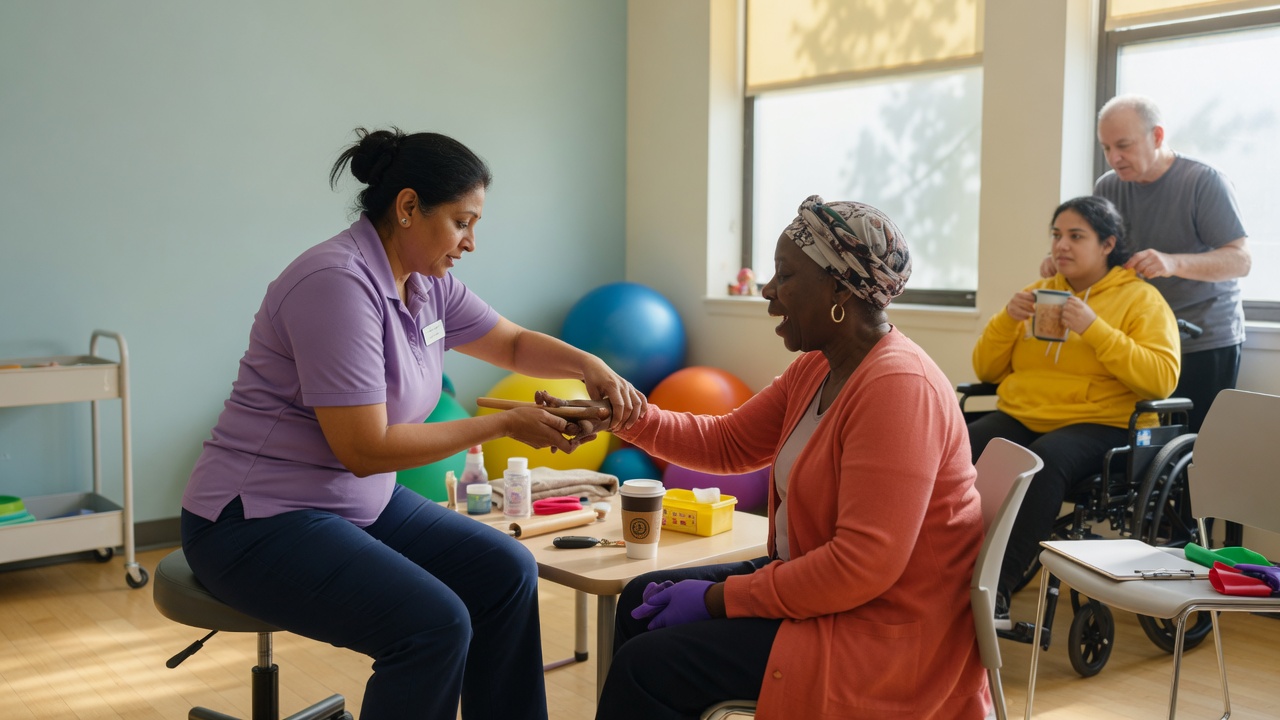
Occupational therapy helps people of all ages who struggle with everyday tasks due to injury, illness, or disability. At IDCC Health, our occupational therapist Anzhela Kaflanova OT works with children, adults, and seniors to help them regain independence in activities they need or want to do, from dressing and cooking to returning to work or hobbies. Unlike physical therapy, which focuses on movement and strength, OT addresses the broader goal of participating in daily life. Many patients benefit from both services together through our Rehabilitation program.
Children with developmental delays, sensory processing issues, or behavior challenges often see an OT. For example, our sibling article on Occupational Therapy for Toddler Behavior Issues explains how therapy can help a child learn to manage emotions and complete self-care tasks. Adults recovering from stroke, surgery, or a heart condition may work with an OT alongside a neurologist or cardiologist to rebuild skills like writing, bathing, or using a computer. People with chronic pain, covered in our Back Pain Doesn’t Go Away article, often find OT helpful for pacing activities and using joint protection techniques, sometimes in combination with Pain Management services.
Seniors with arthritis, after a fall, or managing conditions like Parkinson’s disease benefit from OT to stay safe at home. OTs also support mental health, collaborating with Psychiatry to help people with depression or anxiety build routines and cope with daily stress. At IDCC Health, we offer OT at our 445 Kings Highway, 2846 Stillwell Avenue, and 201 Kings Highway locations. Your Primary Care provider can help determine if OT is right for you, read more in our article on the Benefits of Having a Primary Care Physician.
- Children with developmental delays, sensory issues, or behavior concerns
- Adults recovering from stroke, surgery, heart conditions, or chronic pain
- Seniors with arthritis, balance problems, or memory loss
- People with mental health conditions like anxiety or depression
- Anyone who finds daily tasks, dressing, cooking, working, difficult after an injury or illness
How Is Occupational Therapy Different From Physical Therapy?
Many people confuse occupational therapy (OT) with physical therapy (PT), but they serve different purposes. Physical therapy focuses on improving movement, strength, and range of motion after an injury or surgery. Occupational therapy, on the other hand, helps people perform the daily activities that matter to them, like dressing, cooking, working, or playing. While a physical therapist might help you walk again after a hip replacement, an occupational therapist would help you learn how to get dressed safely or prepare meals in your own kitchen.
At IDCC Health, both services are available under one roof as part of our Rehabilitation program. The two often work together. For example, someone recovering from a stroke might see a physical therapist to rebuild strength and balance, and an occupational therapist to re-learn how to button a shirt or use a computer. Occupational therapists also address chronic pain, for more on that, see our guide to Back Pain Doesn’t Go Away, and collaborate with specialists like neurologists and pain management experts to create a complete care plan.
In short: PT gets you moving; OT gets you living. If you struggle with everyday tasks due to injury, illness, or aging, an occupational therapist can help you regain independence. Our occupational therapist, Anzhela Kaflanova OT, works closely with patients at our Brooklyn offices including 445 Kings Highway and 2846 Stillwell Avenue to bridge the gap between your abilities and your goals.
- Physical Therapy: Focuses on mobility, strength, and motor function (e.g., walking, climbing stairs).
- Occupational Therapy: Focuses on meaningful daily occupations (e.g., dressing, bathing, cooking, working).
- Together: Often combined for conditions like stroke recovery, joint replacement, chronic pain, and developmental delays.
What Happens During an Occupational Therapy Session?
An occupational therapy session at IDCC Health starts with a thorough evaluation. Your occupational therapist, such as Anzhela Kaflanova OT, will talk with you about your daily routines, challenges, and goals. They may observe you performing tasks like dressing, cooking, or writing. This helps them understand which activities are difficult and why. The evaluation also looks at your home, work, or school environment. Based on this, the therapist creates a personalized plan. Goals might include improving fine motor skills, learning to use adaptive tools, or managing energy during the day. Family members or caregivers are often included in this process, especially for children or older adults.
During a typical session, you will engage in hands-on activities that target your specific needs. For example, if you have chronic pain, the therapist might teach you joint protection techniques or pacing strategies, approaches that also connect to our Pain Management services. If you are recovering from a stroke, the session could focus on regaining the ability to dress or bathe independently. For a child with sensory processing issues, the therapist might use play-based exercises to improve coordination and attention. (Our article on Occupational Therapy for Toddler Behavior Issues: Does it work? explores how these techniques help young children.) Sessions often include training with adaptive equipment, such as grab bars, dressing sticks, or specialized keyboards. The therapist will also give you a home exercise program to practice between visits. Many sessions involve collaboration with other providers, such as Physical Therapy or Neurology, to ensure a well-rounded recovery. The Rehabilitation service at IDCC Health coordinates this team approach.
Occupational therapy is not a one-size-fits-all treatment. Sessions are tailored to your age, condition, and personal goals. For example, someone with arthritis might learn new ways to open jars or grip utensils, while a person with anxiety might practice calming routines to manage daily stress. The therapist tracks your progress and adjusts the plan as you improve. Most sessions last 45 to 60 minutes and take place at one of our Brooklyn locations, including 445 Kings Highway, 2846 Stillwell Avenue (Coney Island), or 201 Kings Highway. Your primary care provider can refer you to occupational therapy, and many insurance plans cover it. For more on how a primary care physician supports your overall health, see our article on Benefits of Having a Primary Care Physician for Better Health and Care.
Common Conditions Treated by Occupational Therapy
Occupational therapy helps people of all ages manage a wide range of health issues. Anzhela Kaflanova OT, the occupational therapist at IDCC Health, works with patients who face challenges with everyday tasks due to injury, illness, or developmental delays. The goal is always the same: help you regain independence in the activities that matter most to you.
For children, OT often addresses developmental delays, sensory processing issues, and behavioral challenges. For example, a toddler who struggles with dressing, eating, or playing with others may benefit from OT. Our article on Occupational Therapy for Toddler Behavior Issues: Does it work? explores how therapy can improve daily routines and social skills. For adults, common conditions include recovery after a stroke or surgery, chronic pain, arthritis, and mental health conditions like anxiety or depression. OTs also help people with neurological disorders, such as Parkinson's disease or multiple sclerosis, often working alongside a neurologist. If you have persistent back pain that doesn't improve, OT can teach you new ways to move and complete tasks without straining your body, for more on this, see our guide Back Pain Doesn’t Go Away: What You Need to Know.
OT is also valuable for older adults. As people age, they may find it harder to bathe, cook, or get around the house. An occupational therapist can recommend adaptive equipment, like grab bars or dressing aids, and teach energy-saving techniques. This type of care often works hand-in-hand with physical therapy, which focuses more on strength and mobility. At IDCC Health, both services are part of our Rehabilitation program, and we also offer Pain Management for those dealing with ongoing discomfort. For people with heart conditions, OT may be part of a recovery plan after a cardiac event, our article What is Ambulatory Referral to Cardiology? explains how cardiology referrals work. And for women's health issues, OT can help with pelvic floor therapy or recovery after childbirth, often in coordination with a gynecologist.
- Developmental delays and sensory processing issues in children
- Stroke, brain injury, and neurological conditions (often with a neurologist)
- Chronic pain and arthritis (often with pain management and primary care)
- Mental health conditions like anxiety, depression, or PTSD (often with psychiatry)
- Recovery after surgery or hospitalization
- Age-related decline in daily living skills
- Work-related injuries or ergonomic issues
- Cardiac rehabilitation (often with cardiology)
- Pelvic floor dysfunction (often with gynecology)
- Foot and ankle problems that affect mobility (often with podiatry)
How to Access Occupational Therapy in Brooklyn
If you think occupational therapy might help you or a loved one, the first step is often a conversation with your primary care provider. A doctor like Stella Geller DO, a family medicine specialist at IDCC Health, can evaluate your symptoms and refer you for an OT evaluation if needed. This is a common path for many conditions, from chronic pain to recovery after a stroke. For more on why having a regular doctor matters, see our guide on the Benefits of Having a Primary Care Physician for Better Health and Care.
Once you have a referral, you can schedule an appointment with Anzhela Kaflanova OT, the occupational therapist at IDCC Health. She sees patients at multiple Brooklyn locations, including 445 Kings Highway, 2846 Stillwell Avenue (Coney Island), and 201 Kings Highway. During your first visit, she will perform a thorough evaluation, discuss your goals, and create a personalized treatment plan. OT is often combined with other services like Physical Therapy or Pain Management for a more complete recovery. If your needs involve other specialties, IDCC Health also offers Neurology, Cardiology, and Gastroenterology, so your care can be coordinated under one roof.
Occupational therapy is available for people of all ages. For children, it can address developmental delays or sensory issues, our article on Occupational Therapy for Toddler Behavior Issues: Does it work? explores this further. For adults and seniors, OT helps with daily tasks like dressing, cooking, and returning to hobbies after an injury or illness. The goal is always to help you live more independently. For more background on the field, the MedlinePlus page on Occupational Health and the MedlinePlus page on Rehabilitation offer reliable information. To get started, call IDCC Health or ask your primary care provider about a referral to Anzhela Kaflanova OT.
Frequently Asked Questions About Occupational Therapy
Here are answers to common questions about occupational therapy. If you have more specific concerns, our team at IDCC Health can help you find the right support.
- What is the difference between occupational therapy and physical therapy? Occupational therapy focuses on helping you perform daily tasks (like dressing, cooking, or returning to work) while physical therapy targets movement, strength, and mobility. At IDCC Health, both services are available under our Rehabilitation program, and our specialists often collaborate to create a complete care plan.
- Who can benefit from occupational therapy? People of all ages: children with developmental delays, adults recovering from injury or surgery, and older adults managing chronic conditions. OTs also help with sensory processing issues, chronic pain (our Pain Management team works closely with OTs), stroke recovery, and mental health conditions (supported by our Psychiatry services). For more on children, see our guide Occupational Therapy for Toddler Behavior Issues: Does it work?.
- What happens during an occupational therapy session with Anzhela Kaflanova OT? First, there is an evaluation to understand your goals. Then the therapist designs hands-on activities, teaches adaptive techniques, and may recommend tools to make tasks easier. Family and caregivers are often involved to support progress at home.
- How do I get a referral for occupational therapy? Typically, you can start by speaking with your primary care provider. Our Primary Care doctors, like Stella Geller DO, can evaluate your needs and refer you to occupational therapy. You can also schedule a direct evaluation at one of our Brooklyn locations, including 445 Kings Highway.
- Does occupational therapy help with chronic conditions like back pain? Yes. OTs teach strategies to manage daily activities without aggravating pain. For persistent back pain, our article Back Pain Doesn’t Go Away: What You Need to Know provides more insights. Occupational therapy often works alongside Physical Therapy and Pain Management for comprehensive relief.
- Where can I receive occupational therapy at IDCC Health? You can visit us at 445 Kings Highway, 2846 Stillwell Avenue (Coney Island), or 201 Kings Highway. Our team, including Anzhela Kaflanova OT, is ready to help you at these convenient Brooklyn locations.
Related Articles
Related Providers & Services
When to Seek Care Right Away
- Symptoms that are severe, sudden, or rapidly getting worse
- Fever along with pain or other new symptoms
- Chest pain, difficulty breathing, or fainting
- Numbness, weakness, or loss of function in an arm or leg
- Any symptom severe enough to interrupt sleep, work, or daily activities for more than a few days
Sources
Disclaimer: This article is for general educational purposes only and is not a substitute for professional medical advice, diagnosis, or treatment. Always seek the advice of your physician or another qualified health provider with any questions you may have regarding a medical condition.
Questions about your health? We're nearby.
Board-certified providers across 17 specialties — three Brooklyn locations, open Sundays at 445 Kings Highway.
- ✓ Same-week appointments
- ✓ Most major insurance accepted & verified for you
- ✓ Spanish-speaking staff available
Book a visit
We'll call you back to confirm — usually the same day.
Prefer to talk? Call 718-375-3200