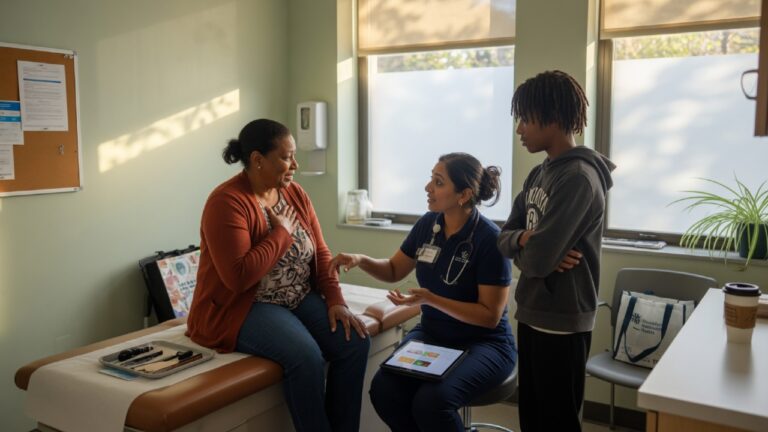
When to See a Primary Care Doctor in Coney Island

By the IDCC Health editorial team
Why a Primary Care Doctor Matters in Coney Island
A Primary Care doctor is the doctor you see for everyday health needs. They get to know your medical history, habits, and goals. This relationship helps spot problems early, manage ongoing conditions, and guide you to the right specialist when needed. Regular visits are linked to better health outcomes and lower overall costs. According to the American Academy of Family Physicians, regular checkups help catch problems early. For a deeper look, see our article, Why Do I Need a Primary Care Doctor for My Health?
At IDCC Health, our family medicine team includes Stella Geller DO, Irina Pruchansky DO, Marina Timoshenko FNP, Inna Tovbina MD, and Louis A. Carrera MD. They work together to provide comprehensive care at our 445 Kings Highway and 201 Kings Highway offices. Establishing care is simple; our guide on How to Establish a Primary Care Doctor Easily walks you through the steps. If you are thinking about seeing a doctor in another state, we also explain what to consider in our article, Can You Have a Primary Care Doctor in Another State?
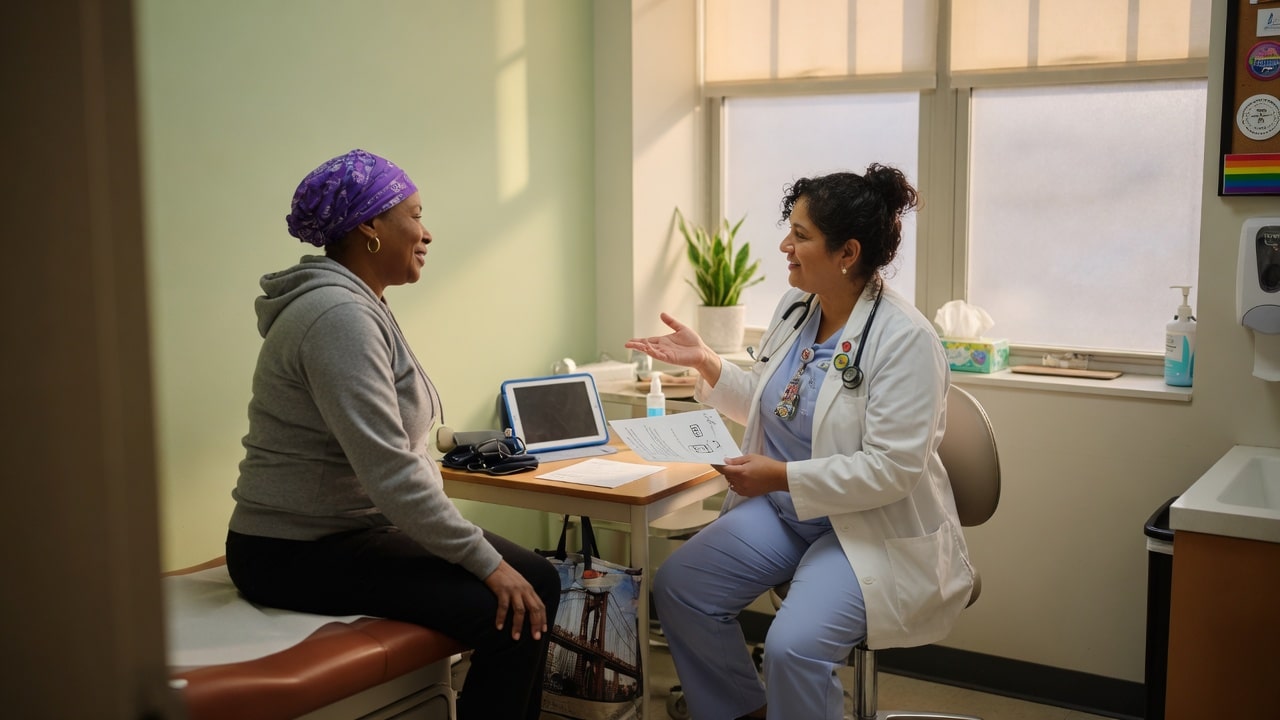
Common Signs You Should Book a Primary Care Appointment
Many people put off seeing a doctor until symptoms become hard to ignore. That can be a mistake. A Primary Care visit is the right place to start for most new health concerns. Your doctor knows your history and can spot problems early. If you notice a change in your body or mind, it is worth making an appointment.
Some signs are more important than others. A fever that lasts more than a few days, unexplained weight loss or gain, and fatigue that does not get better with rest all deserve attention. So do new or worsening pain, shortness of breath with light activity, and digestive issues like nausea, bloating, or diarrhea that will not go away. Changes in mood, sleep, or anxiety are also good reasons to check in. These symptoms do not always mean something serious, but they should not be ignored. Family medicine providers like Stella Geller DO can evaluate these symptoms and help you decide what to do next.
If you are unsure whether a symptom needs a doctor, call and ask. Many offices offer same-day or next-day appointments for new concerns. Building a relationship with a Primary Care doctor before you are sick makes it easier to get help when you need it. If you have not yet found a doctor, our guide on How to Establish a Primary Care Doctor Easily can walk you through the process. And if you wonder why regular visits matter, read our article on Why Do I Need a Primary Care Doctor for My Health? The sooner you reach out, the sooner you can get answers.
- Persistent fever or chills
- Unexplained weight change
- Ongoing fatigue or weakness
- New or worsening pain
- Shortness of breath or trouble breathing
- Digestive problems that last more than a few days
- Changes in mood, sleep, or energy
Routine and Preventive Care: What to Expect at a Visit
Routine and preventive care is the heart of Primary Care. These visits catch problems early, keep chronic conditions in check, and help you stay healthy longer. For most adults, an annual physical is recommended, along with blood pressure and cholesterol checks, recommended vaccinations, and screenings based on your age and risk factors. The American Academy of Family Physicians highlights the value of regular checkups in their resources.
At a typical visit, your doctor will review your medical history, check your vital signs, listen to your heart and lungs, and order any needed lab work. This is also the time to talk about medications, sleep, stress, diet, and exercise. The family medicine team at IDCC Health, including Stella Geller DO, takes a whole-person approach. You will get the same thorough, unhurried care at our 445 Kings Highway or 201 Kings Highway offices.
How often should you come in? For most healthy adults, once a year is enough. If you manage a chronic condition like diabetes, high blood pressure, or asthma, you may need to visit more often. Your Primary Care doctor will also coordinate with specialists when needed. For example, a heart concern may lead to a referral to our Cardiology team. Nerve pain or mobility issues might prompt Physical Therapy or Rehabilitation. The goal is to keep all your care connected under one roof.
Managing Chronic Conditions With Your Primary Care Team
Managing a chronic condition means more than filling a prescription. It means having a care team that knows your history, tracks your numbers, and adjusts your plan as your body changes. Your Primary Care doctor is the anchor of that team. At IDCC Health, family medicine providers work with patients to manage long-term conditions such as diabetes, high blood pressure, asthma, and thyroid disorders. Regular visits help catch problems early and keep small issues from becoming emergencies.
Primary Care does not mean you are on your own. When a condition becomes complex, your doctor brings in specialists. For example, high blood pressure that stays high despite treatment may lead to a Cardiology referral. Nerve pain or unexplained numbness might warrant Neurology. Joint, muscle, or mobility problems can benefit from Physical Therapy and Rehabilitation. Ongoing pain that does not ease may be addressed through Pain Management. These services work together, and your Primary Care doctor coordinates the plan. Other team members, including Irina Pruchansky DO and Marina Timoshenko FNP, may also be involved in follow-up care.
Chronic care also involves routine tasks like medication refills, blood tests, and regular check-ins. Many patients visit their Primary Care doctor every three to six months for conditions like diabetes or high blood pressure, and once a year for a full physical. You can schedule these visits at our 445 Kings Highway or 201 Kings Highway offices. Having a local, consistent team makes it simpler to stay on top of your health.
- Diabetes
- High blood pressure
- Asthma
- Thyroid disorders
- High cholesterol
Same-Day Symptoms: When to Call, When to Go to Urgent Care or the ER
Many health problems do not need an emergency room, but they do need attention the same day. Your Primary Care doctor is the first person to call when you notice something new, painful, or persistent. The family medicine team at IDCC Health, including Stella Geller DO and Irina Pruchansky DO, can help you decide whether you need an office visit, a lab test, or a specialist referral. For general guidance on warning signs, MedlinePlus Health Topics and the NIH Health Information portal are reliable places to start.
Call your Primary Care office if you have any of the following symptoms. These are general examples, not a diagnosis. Your care team can tell you what to do next.
Some symptoms need a higher level of care. Go to an urgent care center for problems that are not life-threatening but cannot wait, such as a sprained ankle, a minor cut that may need stitches, a urinary tract infection, or an ear infection. Go to the emergency room for chest pain, trouble breathing, sudden weakness or numbness, severe bleeding, fainting, or a head injury. If you are unsure, call your Primary Care office first. They can give you advice over the phone. Never delay or skip care because you are worried about cost, wait, or time. If you think you need emergency care, call 911 or go to the nearest ER right away. The 2846 Stillwell Avenue (Coney Island) office is one location where you can reach the Primary Care team in person.
- Fever that lasts more than a few days or comes with shaking chills
- Unexplained weight loss or weight gain
- Fatigue that does not improve with rest and affects your daily life
- New or worsening pain, especially in the chest, abdomen, or head
- Shortness of breath with mild activity or at rest
- Vomiting, diarrhea, or abdominal pain that lasts more than a day or two
- New feelings of anxiety, depression, or confusion
- A chronic condition like diabetes or high blood pressure that is getting harder to control
Finding a Primary Care Doctor in Coney Island and Nearby Brooklyn
Finding a Primary Care Doctor in Coney Island starts with knowing what to look for. A family medicine physician can handle routine checkups, new symptoms, and long-term conditions. At IDCC Health, the team includes Stella Geller DO and Irina Pruchansky DO, both of whom work with patients on routine and ongoing care.
Location matters when you are choosing a doctor. The 2846 Stillwell Avenue (Coney Island) office is easy to reach from the neighborhood, and the practice also has offices at 445 Kings Highway and 201 Kings Highway for people who live closer to other parts of Brooklyn. If you are considering whether a specialist can act as your Primary Care doctor, our article on Can a Specialist Be a Primary Care Physician? explains the differences. According to MedlinePlus, regular checkups help catch problems early and give you a chance to talk about concerns before they become serious.
Meet the Primary Care Team at IDCC Health
The Primary Care team at IDCC Health includes family medicine doctors and nurse practitioners who care for adults and children. Stella Geller DO leads the team and works alongside Irina Pruchansky DO, Marina Timoshenko FNP, Inna Tovbina MD, and Louis A. Carrera MD. Having a consistent team means your clinician knows your health history and can notice changes from one visit to the next.
You can see the same team at our 445 Kings Highway and 201 Kings Highway offices in Brooklyn.
The Primary Care team also coordinates with other services when needed. After an injury, your doctor might recommend Physical Therapy. For ongoing pain, Pain Management or Rehabilitation could be part of your plan. If symptoms point to a specific system, the team can refer you to Neurology or Cardiology while keeping your Primary Care doctor informed. This keeps your care connected and reduces the chance of mixed messages.
Frequently Asked Questions About Primary Care Visits
Here are answers to common questions about Primary Care visits.
- How often should I see a Primary Care doctor? Most adults benefit from an annual checkup, even when they feel fine. The American Academy of Family Physicians notes that regular visits help catch health problems early.
- What should I bring to my first appointment? Bring a photo ID, your insurance card, a list of your medications, and any recent test results. If you are new to the practice, the front desk can help you get set up.
- When should I book an appointment for a symptom? Call your Primary Care office for fever that lasts more than a few days, unexplained weight change, ongoing fatigue, new or worsening pain, shortness of breath, digestive issues, or mental health concerns. These are general signs that a checkup is wise. MedlinePlus offers a library of health topics to help you learn more. Never delay care if a symptom feels serious.
- Can my Primary Care doctor manage a chronic condition? Yes. Primary Care doctors help manage diabetes, high blood pressure, asthma, and thyroid disorders. They may work with specialists like Cardiology when needed.
Related Articles
When to Seek Care Right Away
- Symptoms that are severe, sudden, or rapidly getting worse
- Fever along with pain or other new symptoms
- Chest pain, difficulty breathing, or fainting
- Numbness, weakness, or loss of function in an arm or leg
- Any symptom severe enough to interrupt sleep, work, or daily activities for more than a few days
Sources
Disclaimer: This article is for general educational purposes only and is not a substitute for professional medical advice, diagnosis, or treatment. Always seek the advice of your physician or another qualified health provider with any questions you may have regarding a medical condition.
Questions about your health? We're nearby.
Board-certified providers across 17 specialties — three Brooklyn locations, open Sundays at 445 Kings Highway.
- ✓ Same-week appointments
- ✓ Most major insurance accepted & verified for you
- ✓ Spanish-speaking staff available
Book a visit
We'll call you back to confirm — usually the same day.
Prefer to talk? Call 718-375-3200

When to see a primary care doctor in Sheepshead Bay: A Primary Care Guide for Brooklyn Patients
Oct 9, 2026
Gynecology in Brooklyn: What to Expect and How to Find the Right Gynecologist
Oct 6, 2026
Choosing Over-the-Counter Pain Relievers for Headaches: A Brooklyn Guide
Sep 14, 2026