
Why Are My Lips So Dry and What Can I Do About It?
You moisturize, drink water, and still your lips feel tight and flaky. So what’s really going on? If you’ve ever wondered why are my lips so dry, the answer might be more surprising than cold weather alone. From everyday habits to hidden triggers, this article uncovers what’s behind chronic dryness—and how to finally bring lasting relief.
TL;DR
Dry lips are a common issue caused by a mix of environmental factors, dehydration, habits, products, medications, and medical conditions. Severe chapping can include pain, cracks, bleeding, and irritation that may need medical attention. Relief comes from consistent hydration, avoiding irritants, using home remedies like oils and honey, gentle exfoliation, sun protection, and maintaining healthy daily habits to heal and protect lips long term.
Review tips with the best primary care physician in Brooklyn
What Causes Chronic Lip Dryness in Most People?
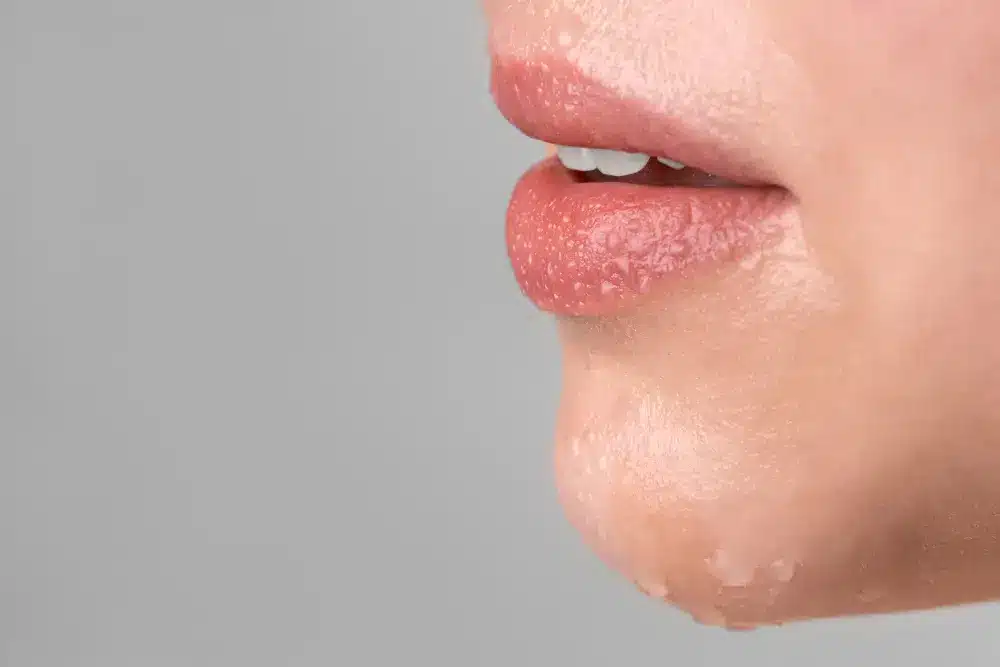
Chronic lip dryness is a very common issue. Many people experience it at some point in their lives, regardless of gender. It can feel uncomfortable and, in some cases, even painful, affecting both the appearance and function of the lips. In everyday situations, people often notice that dryness worsens when visiting cold or low-humidity environments, where peeling appears, lips look pale, and may crack or hurt.
In most cases, dryness is linked to environmental and weather conditions. It can occur with cold or heat, especially when humidity levels are low. Dehydration can also lead to lip damage and irritation.
Certain medications may also contribute to dryness by reducing the activity of glands involved in skin oil production. Since lips are affected by this same mechanism, they can become dry and fragile as well.
Over time, the skin may lose its ability to retain moisture, leading to spontaneous dehydration of the lips. In older adults, this often comes with volume loss, resulting in thinner, more fragile lips that dry out easily. Habits like licking the lips can worsen the cycle. While it creates a brief cooling sensation, saliva contains enzymes that increase irritation, cause redness around the mouth, and prolong discomfort.
Identifying Factors That Cause Lip Dryness
Lip dryness often has multiple causes and rarely comes from just one factor. It is commonly associated with dehydration, exposure to harsh weather conditions such as cold, wind, or sun, and everyday habits. The use of irritating products, along with certain medications or medical conditions, can worsen or prolong the problem.
Common factors that directly affect natural lip hydration include:
| Type of factor | Main examples |
| Environmental | Cold, wind, sun, low humidity |
| Habits | Licking lips, smoking, mouth breathing, alcohol, caffeine |
| Dehydration | Insufficient water intake |
| Products | Alcohol, menthol, strong fragrances, exfoliating acids |
| Medical | Sjögren’s syndrome, diabetes, HIV/AIDS, salivary gland disorders |
| Treatments | Chemotherapy, radiation therapy |
| Other | Stress, vitamin deficiencies |
This combination of factors explains why lip dryness varies widely and why it can become persistent when the underlying causes are not addressed.
Recognizing Signs of Severe Chapping
Severe lip chapping goes beyond typical dryness. In these cases, the lips show visible damage and constant discomfort that can interfere with daily activities such as eating or speaking.
Cracks are often deep and painful, sometimes accompanied by bleeding, open sores, or thick scabs. Swelling and intense redness are also common and may extend to the surrounding skin.
As dryness progresses, clear signs of severe chapping may appear:
- Intense pain: deep cracks that cause significant discomfort when talking or chewing
- Bleeding: fissures that bleed easily
- Sores and scabs: yellowish or whitish ulcers or crusts that do not heal
- Inflammation: noticeable lip swelling
- Severe redness: very red, irritated skin, including the area around the lips
- Burning or itching: persistent stinging or itching sensations
- Severe peeling: very dry skin that flakes off in pieces
- Spread to corners: cracks and pain at the corners of the mouth (angular cheilitis)
When these symptoms do not improve with basic care and continue to worsen, they may signal an infection or an underlying condition that requires medical evaluation. Early recognition helps prevent the damage from spreading and becoming more uncomfortable.
Applying Home Remedies to Moisturize Lips
Moisturizing lips at home is possible using simple ingredients that help nourish, soothe, and improve lip softness. Natural oils, aloe vera, and honey can be applied regularly to relieve dryness. Gentle exfoliation removes dead skin and helps moisturizing products absorb more effectively.
Moisturizing and Soothing Options
Several home remedies can help hydrate and calm dry lips:
- Natural oils: apply a small amount of coconut, almond, olive, or argan oil several times a day to deeply nourish and protect
- Aloe vera: use fresh gel to soothe, regenerate, and hydrate; leave on for 15–20 minutes and rinse with warm water
- Honey: apply a thin layer and leave on for 10–20 minutes; it works as a natural humectant with antiseptic properties
- Cucumber: gently rub a slice over the lips for hydration and a cooling effect due to its high water content
Natural Exfoliation (1–2 Times per Week)
Exfoliation helps remove dead skin cells and improve lip texture:
- Honey and sugar: mix one teaspoon of honey with sugar and gently massage lips in circular motions, then rinse or wipe away carefully
How to Enhance Results
Some combinations can boost results:
- Honey and petroleum jelly: apply honey first, then a light layer of petroleum jelly for deeper repair
- Oils after exfoliation: apply almond or argan oil after exfoliating to improve absorption and softness
Additional Tips
- Drink water: staying hydrated internally supports lip health
- Limit sun exposure: some oils, like argan oil, may provide added protection
Lip dryness can be managed effectively by combining good habits, consistent hydration, and proper use of home remedies. Identifying the causes and applying simple, regular care helps restore softness, prevent discomfort, and maintain healthy lips over time.
Treating Lips to Heal and Protect Them
Healing cracked lips requires consistency and daily care. Frequent use of lip balm, preferably hypoallergenic and free of parabens, supports recovery even when dryness is not noticeable. Drinking enough water and avoiding habits that worsen dryness, such as licking or biting the lips, also helps.
Long-term protection depends on reducing exposure to damaging factors. Using lip balm with a high sun protection factor helps prevent sun damage, while covering lips in cold or windy conditions and maintaining indoor humidity can make a noticeable difference. Limiting very drying lip products and choosing more hydrating formulas also supports skin health.
Daily habits directly affect lip condition. A balanced diet rich in vitamins A, B, C, and E supports skin repair and strength. Reducing tobacco use and prioritizing internal hydration complement external care. Together, these steps help heal lips, protect them, and keep them healthy over time.
Key Takeaways
- Lip dryness is not caused by cold weather alone but by a combination of environmental exposure, dehydration, habits, products, medications, and medical conditions, which explains why symptoms can vary and become persistent in some people.
- Factors like cold, wind, sun, and low humidity, along with habits such as licking lips, smoking, mouth breathing, and consuming alcohol or caffeine, gradually reduce the lips’ ability to retain moisture.
- Certain medications, medical treatments, health conditions, and products containing alcohol, menthol, perfumes, or exfoliating acids can aggravate lip dryness, while stress and vitamin deficiencies may further slow healing.
- Deep cracks, bleeding, sores, thick crusts, swelling, intense redness, pain, burning, or irritation that spreads around the mouth indicate more serious damage and may suggest infection or an underlying condition if symptoms persist.
- Regular hydration, gentle exfoliation, home remedies, sun protection, and avoiding irritants—along with healthy daily habits—support healing, restore comfort, and help maintain healthy lips over time.
FAQs
What is the main cause of dry lips?
The main cause is moisture loss due to environmental factors like cold, wind, and sun, combined with internal dehydration. Habits such as licking the lips worsen the problem because saliva evaporates and removes remaining moisture, leaving lips more vulnerable.
How do I fix my extremely dry lips?
Apply a moisturizing lip balm consistently, drink plenty of water, and avoid licking your lips. Protect them from sun and cold, exfoliate gently once a week, and use fragrance-free products; if dryness persists, seek medical advice.
What are dry lips a deficiency of?
Dry lips may be linked to dehydration or vitamin deficiencies, especially vitamins A, B, C, or E. They can also be influenced by medications or medical conditions that affect hydration and skin health.
Why are my lips so dry even with chapstick?
Your lips may still be dry due to environmental exposure, poor internal hydration, lip-licking habits, or irritation from ingredients like menthol or camphor. In some cases, it may signal an underlying condition or medication side effect.
Sources
- Gibson, B., Periyakaruppiah, K., Thornhill, M. H., Baker, S. R., & Robinson, P. G. (2020). Measuring the symptomatic, physical, emotional and social impacts of dry mouth: a qualitative study. Gerodontology, 37(2), 132-142.
https://onlinelibrary.wiley.com/doi/abs
- Bartels, C. L. Dry Mouth.
https://csn.cancer.org/discussion