
Will Dialysis Make You Feel Better? What You Need to Know
Many patients wonder, will dialysis make you feel better, or is it simply a necessary treatment with uncertain outcomes? The answer isn’t as straightforward as most expect—and the real impact may surprise you. Before assuming how your body might respond, explore what dialysis can and cannot do, and uncover the key factors that influence how you may truly feel during the process.
TL;DR
Dialysis helps patients feel better by removing toxins, balancing fluids, and easing symptoms like fatigue, nausea, and swelling. Although it doesn’t cure kidney disease, it improves energy, appetite, and overall stability. However, treatment requires major lifestyle adjustments—strict diet and fluid limits, structured routines, and symptom management. With proper monitoring, emotional support, and comfort strategies, many patients adapt well and maintain a good quality of life during dialysis.
Consult With Best Primary Care Physician in Brooklyn Now
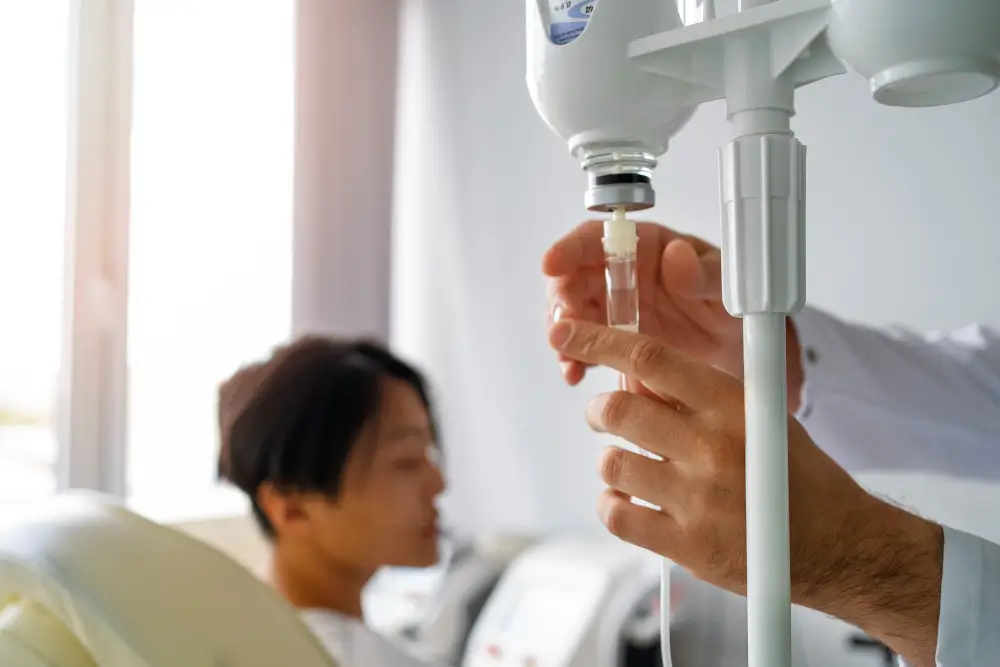
How Does Dialysis Affect Kidney Function and Overall Health?
Dialysis becomes essential when the kidneys can no longer meet the body’s needs. In end-stage kidney failure, the kidneys stop filtering toxins, regulating electrolytes, and managing body fluids. This leads to symptoms such as nausea, fatigue, loss of appetite, mental changes, itching, reduced urine output, and fluid buildup in the lungs, heart, or extremities.
Dialysis replaces these vital functions, helping patients feel better after each session, regain energy, and experience improvements in appetite and overall well-being.
There are two main methods: peritoneal dialysis and hemodialysis. Both remove toxins and excess fluid, but they work differently. Peritoneal dialysis uses the abdomen as a natural filter and can be done at home. Hemodialysis cleans the blood through a machine, usually in sessions that last several hours.
Following the treatment schedule protects health. Skipping sessions can create immediate risks because waste builds up in the blood and electrolytes become unbalanced. Dialysis often leads to more energy, better appetite, and an improved sense of wellness. Although it does not cure kidney disease, it helps maintain a more stable and safer life while continuing treatment or considering a kidney transplant.
How Dialysis Supports Kidney Function
Kidney replacement therapies are needed when the kidneys can no longer perform essential functions. Dialysis serves as support, partially replacing kidney function by clearing the blood, regulating fluids and key minerals, and improving well-being. It does not cure kidney disease, but it sustains life, helps patients feel better, restores energy, and reduces serious complications.
Below are the two main types of dialysis and how each helps substitute kidney function:
Hemodialysis
- Removes accumulated toxins
- Eliminates excess water
- Balances critical electrolytes such as potassium
- Reduces symptoms like fatigue and shortness of breath
Peritoneal Dialysis
- Replaces kidney filtration through fluid exchanges
- Maintains water and electrolyte balance
- Allows therapy at home, supporting consistent treatment
Dialysis can feel demanding, but it enables longer and better-quality life and serves as a bridge to the only curative option: a kidney transplant.
Effects of Dialysis on Energy Levels and Daily Life
Dialysis directly influences how a person feels day to day, especially in energy levels, daily routine, and lifestyle. It can ease major symptoms but also brings physical and emotional changes that require adjustment. The main effects are described below.
Improvements and Challenges in Energy Levels
Dialysis removes waste products that build up when the kidneys fail to filter the blood properly. This often leads to:
- Increased energy
- Better appetite
- Less difficulty breathing
- Reduced swelling
These benefits differ among patients, and recognizing them helps guide daily adjustments.
Impact on Daily Routines and Lifestyle
Dialysis introduces a new structure into daily life, requiring planning, discipline, and frequent adjustments. Main changes include:
Time and Routine
- Sessions may disrupt daily activities and limit travel
- Life becomes shaped by treatment schedules
Diet and Fluids
- Fluid intake must be closely monitored
- A kidney-friendly diet is needed to support treatment
Personal Activities
- Many patients continue doing everyday things with some adjustments
- Adapted exercise and hobbies remain important for physical and emotional well-being
Dialysis can greatly improve energy and overall comfort by eliminating toxins and balancing fluids. It also requires meaningful adjustments in routine, diet, and emotional life. Over time, many people find a rhythm that helps them return to activities, maintain relationships, and enjoy daily life while continuing treatment.
Common Symptoms During and After Treatment
People receiving dialysis may experience a range of symptoms during and after treatment. These effects are often related to changes in blood pressure, fluid shifts, and the physical demands of the procedure. Identifying these symptoms and knowing when to seek care helps maintain safety and well-being.
Symptoms During Dialysis
Nausea and vomiting: Often linked to blood pressure changes
Muscle cramps: Caused by rapid fluid removal
Dizziness: Common due to drops in blood pressure
Fatigue or general discomfort: Feeling exhausted during or after the session is common
Symptoms After Dialysis
Itching and dry skin: Frequent effects that may continue
Sleep problems: Can include insomnia or excessive daytime sleepiness
Headaches: Sometimes appear after treatment
Persistent nausea or vomiting
Diarrhea or constipation: Digestive changes related to treatment or diet
Any concerning or severe symptom should be discussed with a healthcare professional to prevent complications.
Monitoring Health and Preventing Complications
Ongoing health monitoring and preventing complications are central for people on dialysis. This involves regular medical checks, appropriate diet, access care, and hygiene measures that help avoid serious problems. Consistent adherence to medical recommendations keeps treatment effective and supports a better quality of life.
Continuous medical follow-up ensures that dialysis works properly and complications are avoided. This includes checking weight and blood pressure before, during, and after each session, along with monthly blood tests to measure treatment effectiveness and chemical balance. Taking medications as prescribed and monitoring symptoms such as low blood pressure, cramps, nausea, or pain allows early action and reduces risks.
Limiting sodium and phosphorus, maintaining adequate protein and vitamin intake, and working with a dietitian helps tailor the diet to specific needs such as weight, diabetes, or high blood pressure. Access care is also essential. In hemodialysis, keeping the site clean and watching the blood flow helps prevent issues. In peritoneal dialysis, daily washing of the catheter exit site and watching for signs of infection keeps treatment safe.
Infection prevention starts with handwashing, correct use of personal protective equipment, and proper disposal of sharp items. A healthy lifestyle also supports better adaptation to dialysis. Engaging actively in self-care and learning treatment needs promotes better adherence and outcomes.
Strategies to Improve Comfort and Wellbeing on Dialysis
Improving comfort and well-being during dialysis helps make the treatment more manageable. This involves physical, nutritional, and emotional strategies that reduce stress, strengthen energy, and support adjustment. With simple and consistent habits, sessions can feel more comfortable and overall well-being can grow.
Physical and Relaxation Strategies
Comfort plays a meaningful role during dialysis sessions. Wearing loose clothing, bringing a blanket or pillow, and resting during treatment can make sessions easier. Headphones, earplugs, or a sleep mask can create a calmer environment.
Staying physically active outside of treatment helps lower anxiety, boost mood, strengthen the heart, and manage cholesterol. Exercises adapted to individual abilities support physical and emotional health.
Nutritional Strategies
Managing fluid intake helps prevent swelling or difficulty breathing. Reducing sodium, especially in processed foods, supports stable blood pressure. A balanced diet keeps energy levels steady and lowers complications. This includes lean proteins as recommended, phosphorus control with binders, and adequate vitamins, minerals, and healthy carbohydrates.
Psychological and Support Strategies
Emotional wellness shapes the treatment experience. Relaxation techniques like meditation or deep breathing can ease anxiety and support a positive mood. A strong support network also helps—connecting with other patients, taking part in care decisions, and setting personal goals strengthens motivation and confidence.
Hobbies or enjoyable activities during sessions keep the mind engaged and can make treatment feel more manageable.
These combined strategies help patients take more control of their experience. With consistent physical care, balanced nutrition, and emotional support, many people reduce discomfort, improve energy, and maintain a stronger quality of life during dialysis.
Key Takeaways
- It removes toxins, balances fluids, and helps regulate electrolytes, which reduces fatigue, nausea, swelling, and breathing difficulties. Most patients feel better after sessions, experiencing improved energy and appetite.
- Hemodialysis filters blood through a machine, while peritoneal dialysis uses the abdominal lining as a natural filter. Both maintain fluid and mineral balance, supporting overall health and extending life expectancy.
- Treatment schedules, diet restrictions, and fluid limits require major lifestyle adjustments. Despite this, many patients continue daily activities, exercise, and hobbies with proper planning and adaptation.
- Patients may experience nausea, cramps, dizziness, fatigue, itching, headaches, or sleep issues. Monitoring symptoms and seeking medical guidance helps prevent complications and maintain safety.
- Strategies like using comfortable clothing, staying active, following a tailored diet, practicing relaxation techniques, and building a support network help patients adapt, reduce stress, and feel better throughout dialysis.
FAQs
Will I feel better on dialysis?
Many patients feel better with dialysis because it removes toxins, balances fluids, and helps regulate electrolytes. This often improves symptoms like fatigue, nausea, swelling, and appetite. While dialysis does not cure kidney disease, it can significantly improve overall well-being when sessions are consistent.
What symptoms does dialysis improve?
Dialysis helps reduce symptoms caused by toxin and fluid buildup, including fatigue, nausea, loss of appetite, difficulty breathing, and swelling in the legs, lungs, or around the heart. Many patients also notice improved energy and a better sense of overall wellness after treatment.
Will dialysis give you more energy?
Yes. By filtering toxins and removing excess fluid, dialysis can increase energy levels, improve appetite, and reduce the feeling of heaviness or exhaustion. However, some patients may still experience fatigue due to treatment demands or fluid shifts.
Can kidney dialysis save your life?
Yes. Dialysis is a life-sustaining treatment for people with end-stage kidney failure. It replaces essential kidney functions—filtering waste, regulating electrolytes, and removing excess fluid—allowing patients to live longer and more safely while continuing treatment or awaiting a kidney transplant.
Sources
- Antoun, J., Brown, D. J., Jones, D. J., Clarkson, B. G., Shepherd, A. I., Sangala, N. C., … & Saynor, Z. L. (2023). Exploring patients’ experiences of the impact of dialysis therapies on quality of life and wellbeing. Journal of Renal Care, 49(1), 15-23.
https://onlinelibrary.wiley.com/doi/full
- Nataatmadja, M., Evangelidis, N., Manera, K. E., Cho, Y., Johnson, D. W., Craig, J. C., … & SONG-HD and SONG-PD. (2021). Perspectives on mental health among patients receiving dialysis. Nephrology Dialysis Transplantation, 36(7), 1317-1325.
https://academic.oup.com/ndt/article