
What Is a Multispecialty Clinic and How It Works
You’ve probably heard the term what is a multispecialty clinic, but few people truly understand why it’s transforming the way healthcare is delivered. Imagine accessing multiple medical experts in one place—without the usual delays or confusion. Sounds convenient, right? Yet, there’s more behind this model than meets the eye, and its full impact might surprise you.
TL;DR
A multispecialty clinic brings together various healthcare specialists and services in one place, allowing for coordinated, efficient, and comprehensive patient care. This model improves diagnosis speed, reduces errors and duplicate tests, and enhances the overall patient experience by enabling access to multiple services in a single visit.
Access quality care at IDCC Health Services
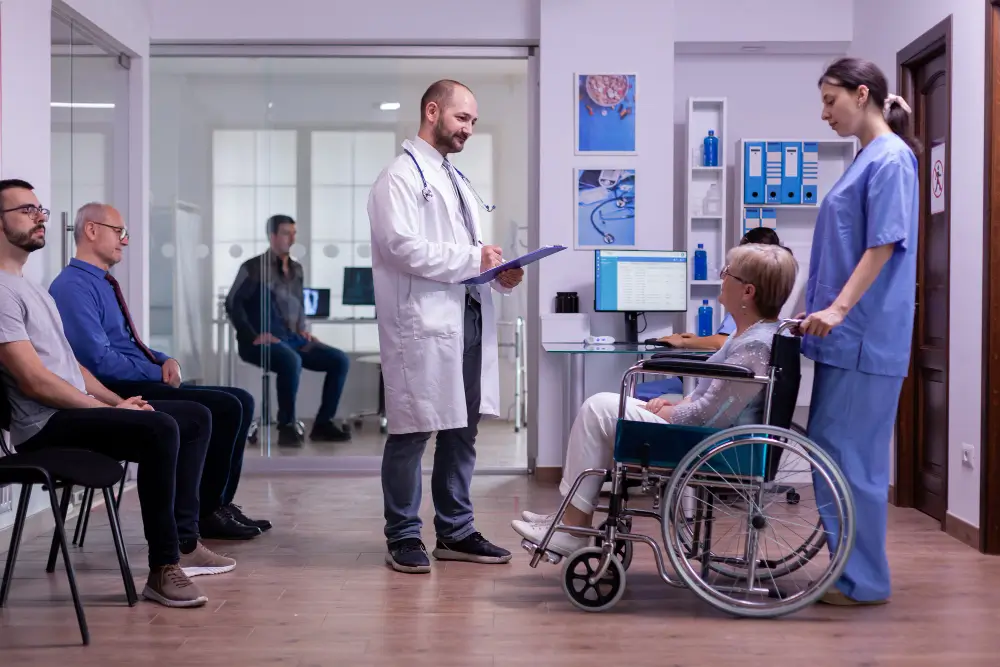
What types of specialists work in a multispecialty clinic?
In a multispecialty clinic, different health professionals work together under one roof to provide comprehensive care. This collaborative approach allows for addressing multiple patient needs, facilitating a more complete diagnosis and treatment, especially in complex or chronic conditions.
The medical team usually includes specialists such as primary care physicians, internists, cardiologists, orthopedists, neurologists, endocrinologists, gynecologists, urologists, gastroenterologists, dermatologists, anesthesiologists, and pain management experts. Each one contributes their knowledge to evaluate and treat the patient from different medical areas.
Furthermore, these clinics integrate support professionals such as psychologists, psychiatrists, physical therapists, nutritionists, nurses, and medical assistants. All of them work in a coordinated manner to offer a holistic approach, improving the management of complex pathologies such as chronic pain, pelvic floor problems, and long-term diseases.
List Common Medical Specialties in a Multispecialty Clinic
This model facilitates access to diagnostics and treatments, allowing multiple health needs to be covered without resorting to different centers. Specialties within a multispecialty clinic are usually organized into different areas according to their focus:
Primary and general care:
- Family or General Medicine
- Internal Medicine
- Pediatrics
Clinical medical specialties:
- Cardiology
- Dermatology
- Endocrinology
- Gastroenterology
- Neurology
- Gynecology and Obstetrics
- Psychiatry
Surgical specialties:
- General Surgery
- Orthopedics and Traumatology
- Urology
- Ophthalmology
- Otorhinolaryngology
In addition to medical specialties, these clinics integrate complementary services that strengthen care:
| Area | Main function |
| Radiology | Diagnostic imaging studies |
| Anesthesiology | Pain and sedation management |
| Physical medicine and rehabilitation | Functional recovery through therapy |
Collectively, these areas allow the clinic to function as an integral solution, centralizing care and improving coordination among specialists.
Explain How Specialists Collaborate for Patient Care
This collaboration allows for addressing complex diseases from multiple perspectives, achieving more precise diagnoses and more effective treatments. In addition, the goal is to provide safe, agile, and patient-centered care.
Collaboration Strategies
- Interdisciplinary care: Specialists collaborate to create more effective treatments.
- Work with support staff: Nursing and assistants optimize time and care.
- Constant communication: Improves decision-making and reduces risks.
- Patient focus: Prioritizes comfort, respect, and education.
- Use of technology: Facilitates follow-up and optimizes processes.
The integration of specialists in the same environment makes it possible to offer more complete and efficient care, reducing waiting times and improving the patient experience. This multidisciplinary approach optimizes resources and contributes to better health outcomes by considering each case from different clinical angles.
Describe Diagnostic and Treatment Services Offered
They offer comprehensive care by bringing together in one place medical services, advanced diagnostics, and therapeutic treatments. This model facilitates coordination among specialists and improves the patient experience by centralizing the entire care process.
Main services
- Medical care: Internal medicine, pediatrics, gynecology and obstetricia, cardiology, urology, dermatology, gastroenterology, and endocrinology.
- Advanced diagnostics: Magnetic resonance imaging (MRI), ultrasounds, x-rays, and laboratory analyses.
- Specialized treatments: Pain management, physical therapy, vascular care, nutrition, and pediatric services.
- Surgical and preventive services: General and pediatric surgery, breast clinic, and medical check-ups.
- Integral care: Coordinated appointments, family care, and telemedicine.
By integrating multiple services in one space, these clinics allow for faster diagnoses and better follow-up of diseases, especially chronic ones. Coordination among specialists optimizes treatments and provides more efficient and patient-centered care.
Highlight the Benefits of Coordinated Care
Coordinated care in multispecialty clinics allows for the integration of the work of different specialists to offer more complete and efficient care. This approach improves diagnostic accuracy, optimizes treatments, and provides a smoother experience for the patient.
| Benefit | Impact on the patient |
| Comprehensive care | Fewer consultations and greater comfort |
| Rapid diagnosis | Timely start of treatment |
| Lower risk of errors | Greater safety in care |
| Fewer duplicate tests | Saving time and resources |
| Continuous follow-up | Better results and greater satisfaction |
Coordination among specialists improves the efficiency of the health system and elevates the quality of care. By reducing errors, accelerating diagnoses, and offering a personalized approach, this model contributes directly to the patient’s well-being and quality of life.
Show How Patients Access Multiple Services in One Visit
The ability to access multiple health services in a single visit allows patients to receive more complete and coordinated care. This approach integrates different medical and support areas, which improves clinical outcomes, optimizes the user experience, and reduces costs associated with separate consultations.
Additionally, this model facilitates the management of chronic diseases by providing simultaneous access to specialists, treatments, and essential resources. It also incorporates support services such as transportation, food, and administrative guidance, which reduces barriers and patient stress, while promoting a comprehensive approach that includes physical and mental health.
Furthermore, coordinated care improves efficiency by avoiding the duplication of tests and reducing waiting times. It also offers financial benefits through support programs that help lower medical expenses, contributing to more accessible, continuous, and patient-centered care.
Key Takeaways
- Comprehensive care model: A multispecialty clinic brings multiple specialists and services together in one location to provide coordinated, all-in-one care. This setup speeds up diagnoses, reduces errors, and avoids duplicate tests. It also improves the overall patient experience by simplifying access to care.
- Wide range of specialists and services: These clinics include primary care providers, medical and surgical specialists, and support professionals working as one team. Specialties are organized into general care, clinical fields, surgical services, and diagnostic support. This structure allows patients to address multiple health needs without visiting different facilities.
- Collaborative, team-based approach: Specialists work closely through constant communication, shared information, and coordinated care plans. This teamwork helps manage complex conditions more effectively from different medical perspectives. The result is safer, more personalized, and efficient patient care.
- Integrated diagnostic and treatment services: Multispecialty clinics combine consultations, advanced diagnostics, and specialized treatments in one place. Services often include imaging, lab tests, therapy, surgery, and preventive care. This integration improves disease monitoring, especially for chronic conditions, and streamlines treatment.
- Benefits of coordinated care in one visit: Accessing multiple services in a single visit leads to better health outcomes and lower overall costs. It supports chronic disease management and provides access to additional resources like transportation or administrative help. It also reduces wait times and ensures more continuous, patient-centered care.
FAQs
What is a multispeciality clinic?
A multispecialty clinic is a healthcare facility that brings together multiple medical specialties under one roof. It allows patients to access comprehensive, coordinated care across different disciplines without visiting multiple locations.
How old are most doctors when they retire?
Most doctors in the U.S. retire between ages 65 and 70, with an average around 65–68. Many continue working longer due to career satisfaction, financial goals, or flexible roles like part-time practice.
What is the most overworked doctor?
Emergency medicine physicians are often considered the most overworked due to high-pressure environments and demanding schedules. They handle critical, unpredictable cases, which contributes to higher burnout rates.
Who is better, a MD or a DO?
Neither MD nor DO is better, as both are fully qualified physicians with similar training and responsibilities. The main difference is that DOs emphasize a more holistic approach and additional training in preventive care
Sources
- Reschen, M. E., Rayner, J. J., Thanabalasingham, G., Lumb, A., Matheou, M., McGlen, S., … & O’Callaghan, C. A. (2025). Development and evaluation of an integrated multispecialty clinic for people with multiple long-term conditions. Future Healthcare Journal, 12(2), 100235.
https://www.sciencedirect.com/science/article/pii/S2514664525000141
- Marzo-Ortega, H., Domanne, E., Ladoyanni, E., Pace, A. V., Mirjafari-Temple, H., Freeston, J. E., … & Lyttle, J. (2025). Improving the delivery of multi-specialty care: the rise of the combined clinic service. Rheumatology, 64(12), 6013-6016.
https://academic.oup.com/rheumatology/article-abstract/64/12/6013/8240291