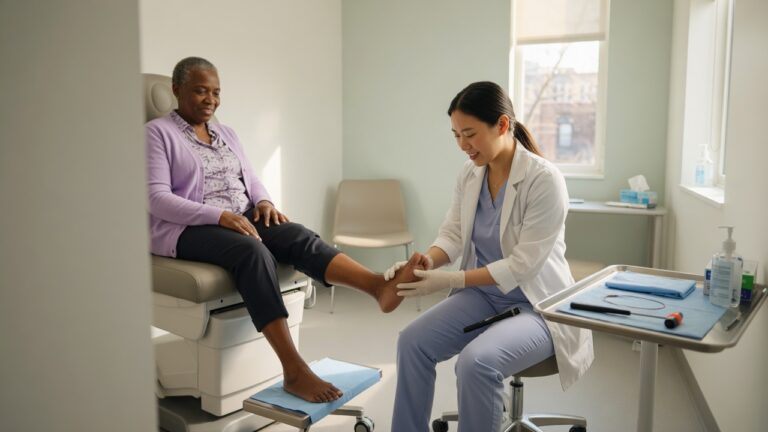
Bunionette (Tailor’s Bunion): Causes, Symptoms, and Treatment Options
By the IDCC Health editorial team
What Is a Bunionette (Tailor's Bunion)?
A bunionette, also called a tailor's bunion, is a bony bump that forms on the outside of the foot at the base of the little toe. It is similar to a regular bunion, which appears on the inside of the foot near the big toe, but the location is different. The name 'tailor's bunion' comes from the old practice of tailors sitting cross-legged, which put pressure on the outside of the foot.
Wearing narrow, tight, or pointed shoes is a common contributing factor. Foot structure and genetics also play a role. Some people have a foot shape that makes them more prone to this deformity. Over time, the pressure causes the bone to shift, leading to the bump.
Symptoms include pain, redness, swelling, and sometimes a callus or corn over the bump. If you experience these, a podiatrist can diagnose the condition through a physical exam and possibly X-rays. At our Brooklyn podiatry practice, doctors like Mino Abdelmessih DPM and Aleksandr Plotkin DPM are experienced in evaluating foot problems. You can visit us at our 445 Kings Highway location for a thorough assessment. According to MedlinePlus, foot injuries and disorders are common, and early treatment can prevent complications. If you're unsure whether a podiatrist is the right specialist, our article 'Is a Doctor of Podiatry a Real Doctor?' explains their training and role.
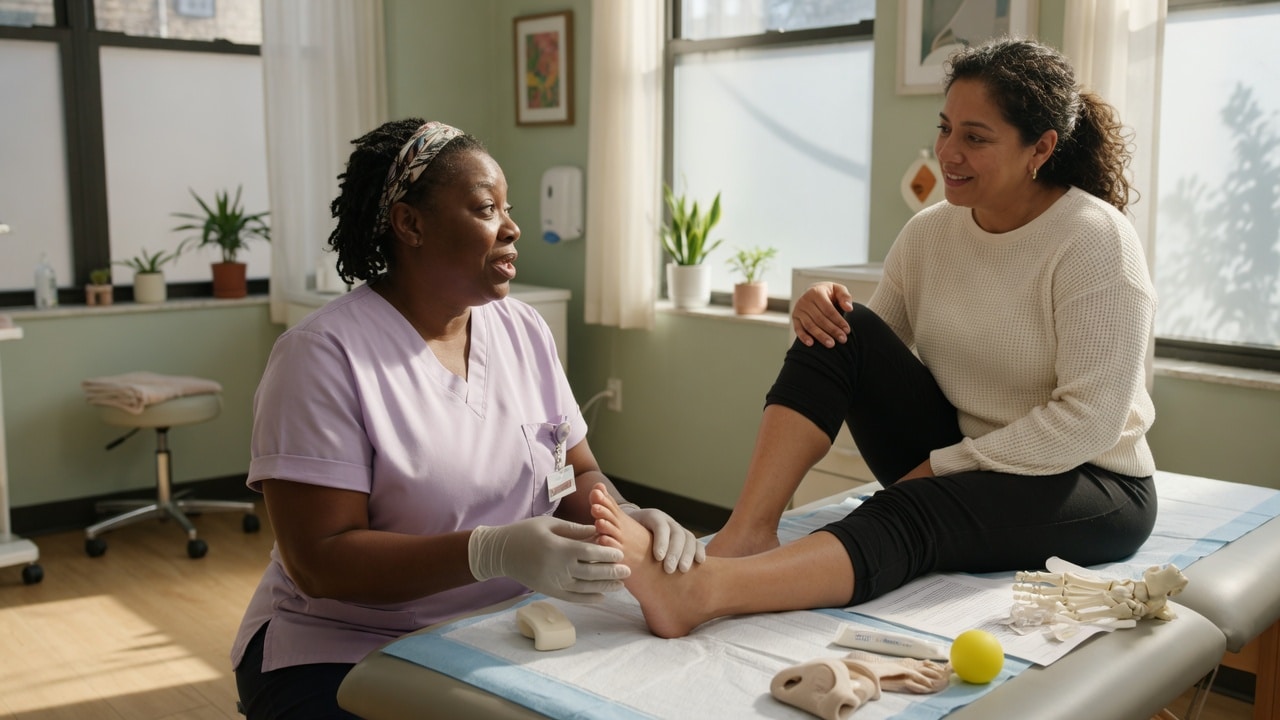
Causes and Risk Factors
A bunionette develops when the fifth metatarsal bone at the base of the little toe becomes prominent and pushes against the surrounding soft tissue. This often results from wearing shoes that are too narrow or have a tight toe box, which compresses the foot and forces the little toe inward. Foot structure also plays a role: people with a naturally prominent fifth metatarsal head or an abnormal gait are more prone to developing this deformity. Genetics can also increase your risk, as foot shape and alignment tend to run in families. According to MedlinePlus, foot injuries and disorders are common and can be influenced by both footwear and heredity.
Certain risk factors make bunionettes more likely. Bunionettes are more common in women, possibly because of footwear choices. Occupations that require prolonged standing or walking on hard surfaces can also contribute. Additionally, having other foot problems such as hammertoes or flat feet may increase the pressure on the outside of the foot. If you notice persistent pain, redness, or a bump on the outside of your foot, it's a good idea to see a podiatrist. At our Brooklyn clinic, doctors like Mino Abdelmessih DPM and Aleksandr Plotkin DPM specialize in diagnosing and treating foot deformities. We have convenient locations, including 445 Kings Highway, where you can get a thorough evaluation. In some cases, addressing underlying biomechanical issues with physical therapy can help reduce pressure on the foot and prevent the condition from worsening. For broader health concerns, our clinic also offers Primary Care and Pain Management services.
- Wearing tight, narrow, or high-heeled shoes
- Having a family history of foot deformities
- Being female
- Having a foot structure with a prominent fifth metatarsal
- Participating in activities that stress the foot, such as running or dancing
Symptoms and How It Differs from a Regular Bunion
A bunionette is a bony bump on the outside of the foot at the base of the little toe. It is similar to a regular bunion, but a regular bunion appears on the inside of the foot near the big toe. Both conditions can cause pain and discomfort, but they affect different parts of the foot. According to MedlinePlus, foot injuries and disorders are common and can range from minor to severe.
The most common symptoms include pain and tenderness on the outside of the foot, redness, swelling, and a callus or hard skin over the bump. You may also feel a burning sensation or have trouble fitting into shoes. These symptoms often get worse with activity or when wearing narrow footwear. If you notice these signs, it's a good idea to have a Podiatry specialist examine your foot. Our team, including Mino Abdelmessih DPM, can help diagnose the problem and recommend the right treatment.
A podiatrist will look at your foot and may order an X-ray to see the bone alignment. They will also check for other conditions that can cause similar pain, such as a stress fracture or arthritis. For more on foot problems like corns, you can read our guide on How to Remove Corns on Feet Naturally at Home. If you need care, you can visit us at our 445 Kings Highway office or our Coney Island location on Stillwell Avenue.
- Pain or tenderness on the outside of the foot near the little toe
- Redness and swelling around the joint
- A visible bony bump that may be tender to the touch
- Callus or hard skin forming over the bump
- Discomfort when wearing shoes, especially narrow or tight ones
How a Podiatrist Diagnoses a Bunionette
Diagnosing a bunionette starts with a detailed conversation about your symptoms, shoe habits, and family history. The podiatrist will ask when the pain started, what makes it worse, and whether you have noticed any changes in the shape of your foot. This history helps distinguish a bunionette from other causes of outer-foot pain, such as a stress fracture or a pinched nerve. During the physical exam, the doctor will look at both feet while you stand and walk, press on the tender area, and check the range of motion in your little toe. Podiatrists like Mino Abdelmessih DPM and Aleksandr Plotkin DPM routinely perform this type of evaluation at their Brooklyn offices, including the 445 Kings Highway location.
Imaging is often the next step. X-rays are the most common tool because they clearly show the angle of the fifth metatarsal bone and any joint changes. In some cases, the doctor may order blood tests to rule out inflammatory conditions like rheumatoid arthritis, especially if both feet are affected or if you have other joint pain. If the pain feels more like burning or tingling, the podiatrist might refer you to a neurologist to check for nerve involvement. The whole process is usually quick; for a sense of what to expect, you can read our guide on how long does a podiatry appointment take. Once the diagnosis is confirmed, the podiatrist can explain your options and start a treatment plan tailored to your foot.
- Medical history review, including shoe wear and activity level
- Physical exam of both feet, checking alignment, tenderness, and motion
- X-rays to measure the bone angle and rule out fractures or arthritis
- Blood tests if inflammatory conditions are suspected
- Referral to other specialists, such as neurology, if nerve pain is possible
Conservative Treatment Options
For most people with a bunionette, conservative treatment is the first step. These simple measures often ease pain and slow the deformity from getting worse. A podiatrist like Aleksandr Plotkin DPM can help you choose the right approach based on your foot shape and daily habits.
The most important change is footwear. Shoes with a wide toe box and soft material reduce pressure on the little toe. Padding and orthotic inserts can also cushion the area. Applying ice for short periods helps with swelling. Physical Therapy can strengthen the muscles around the foot and improve your gait, which may take stress off the joint.
These options work best for mild to moderate cases. If you are unsure where to start, a visit to our Podiatry team at 445 Kings Highway can give you a clear plan. And if you are wondering what to expect during your visit, our guide on How Long Does a Podiatry Appointment Take? answers common questions.
- Wider, softer shoes with a roomy toe box
- Gel pads or moleskin placed over the bump
- Custom or over-the-counter orthotic inserts
- Ice packs applied for 10-15 minutes to reduce swelling
- Gentle stretching and foot exercises
- Physical therapy to improve foot mechanics and relieve pressure
Surgical Treatment and Recovery
When conservative treatments do not bring enough relief, surgery may be an option. It is usually a last resort. The goal is to realign the bone at the base of the little toe and remove the bump. A common procedure is an osteotomy, where the bone is cut and repositioned. Podiatrists such as Mino Abdelmessih DPM, Aleksandr Plotkin DPM, and Merabi Zonenashvili DPM have experience with these surgeries and can explain which approach fits your foot structure.
Recovery after surgery takes time. You will likely need to rest, keep your foot elevated, and wear a special shoe or boot for a few weeks. Physical therapy and rehabilitation are often part of the plan to help you regain strength and movement. Recovery time varies, and your podiatrist will give you a timeline based on your procedure. Your podiatrist will give you specific steps to follow, and it is important to stick with them.
If you are thinking about surgery, you may have questions about costs and insurance. Our guide on whether podiatry is covered by insurance can help you plan. You can also visit our office at 445 Kings Highway or 2846 Stillwell Avenue to talk through your options and ask about the recovery process in person.
- Keep your foot elevated above heart level for the first few days to reduce swelling.
- Use ice packs as directed by your podiatrist to manage pain and inflammation.
- Attend all follow-up appointments so your healing can be monitored.
- Start physical therapy only when your podiatrist says it is safe.
When to See a Podiatrist in Brooklyn
Most bunionettes can be managed with shoe changes and padding. But if you have persistent pain, swelling, or trouble walking, it's time to see a podiatrist. At IDCC, you can see Dr. Mino Abdelmessih or Dr. Aleksandr Plotkin for a thorough evaluation.
During your visit, the doctor will examine your foot and may order X-rays. They can recommend the right treatment plan. We have convenient locations, including 445 Kings Highway and 2846 Stillwell Avenue in Coney Island. We also have a location at 201 Kings Highway for your convenience. Early care can prevent the deformity from getting worse, according to MedlinePlus.
- Pain on the outside of your foot that lasts more than a few days
- Redness or swelling that does not go away with rest
- Difficulty fitting into shoes or walking normally
- A visible bump that is getting larger
Frequently Asked Questions
These are some of the questions patients ask most often about bunionettes. If you do not see your question here, the Podiatry team at IDCC Health can help during an appointment.
The podiatrists at IDCC Health, including Mino Abdelmessih DPM and Aleksandr Plotkin DPM, are familiar with this condition. If you want to know more about insurance before booking, our article titled Is Podiatry Covered by Insurance? answers many common billing questions. In addition to podiatry, IDCC Health offers a range of services including Cardiology, Gynecology, and Gastroenterology to support your overall health.
- What is a bunionette? A bunionette is a bony bump on the outside of the foot at the base of the little toe. It forms when the fifth metatarsal bone shifts outward and the little toe angles inward.
- How is it different from a regular bunion? A regular bunion affects the base of the big toe, while a bunionette affects the base of the little toe.
- What causes bunionettes? Tight shoes, narrow toe boxes, foot structure, and family history are common contributing factors.
- Can a bunionette improve without surgery? Many people improve with wider shoes, protective padding, orthotics, ice, and rest. Surgery is usually a last resort.
- When should I see a podiatrist? If the pain is constant, interferes with walking, or does not improve after changing shoes, a checkup is a good idea.
- How long is recovery after bunionette surgery? Recovery varies, but most people need several weeks before returning to normal shoes. Your podiatrist can give you a timeline based on your procedure.
- What is the name of the foot doctor? The medical specialist for foot conditions is called a podiatrist. For more details, see our guide on What is The Name of The Foot Doctor?
Related Articles
- Is a Doctor of Podiatry a Real Doctor?
- How to Remove Corns on Feet Naturally at Home (Overnight & Permanent Solutions)
- What is The Name of The Foot Doctor?
Our Brooklyn Locations
Related Providers & Services
When to Seek Care Right Away
- Symptoms that are severe, sudden, or rapidly getting worse
- Fever along with pain or other new symptoms
- Chest pain, difficulty breathing, or fainting
- Numbness, weakness, or loss of function in an arm or leg
- Any symptom severe enough to interrupt sleep, work, or daily activities for more than a few days
Sources
Disclaimer: This article is for general educational purposes only and is not a substitute for professional medical advice, diagnosis, or treatment. Always seek the advice of your physician or another qualified health provider with any questions you may have regarding a medical condition.
Questions about your health? We're nearby.
Board-certified providers across 17 specialties — three Brooklyn locations, open Sundays at 445 Kings Highway.
- ✓ Same-week appointments
- ✓ Most major insurance accepted & verified for you
- ✓ Spanish-speaking staff available
Book a visit
We'll call you back to confirm — usually the same day.
Prefer to talk? Call 718-375-3200
Bunions: Causes, Symptoms, and Treatment Options in Brooklyn
Aug 25, 2026
What Is Plantar Fasciitis? Symptoms, Causes, and Treatment in Brooklyn
Aug 21, 2026
Plantar Fasciitis Treatment: Expert Podiatry Care in Brooklyn
Jul 30, 2026