
What Does a General Practitioner Do? Your Guide to Primary Care in Brooklyn
By the IDCC Health editorial team
What Is a General Practitioner?
A general practitioner (GP) is a doctor who provides primary care for people of all ages. They are often the first point of contact for non-emergency health issues, from routine checkups to managing long-term conditions. At IDCC Health, providers like Stella Geller DO, a family medicine physician, and Irina Pruchansky DO offer comprehensive care that covers preventive services, acute illness treatment, and chronic disease management. GPs focus on the whole person, not just one organ system, which makes them ideal for coordinating your overall health.
General practitioners perform annual physicals, give vaccinations, order blood work, and screen for common conditions like high blood pressure or diabetes. When you need specialized care, your GP can refer you to a cardiologist, neurologist, or other specialist within the same multispecialty clinic. This helps ensure your care is connected and efficient. For example, if you have heart concerns, your GP can work with a cardiologist to manage your treatment, while also keeping an eye on your overall wellness. For more on how this coordination works, see our article on how doctors inter-refer in a multispecialty clinic.
A GP is different from a specialist, who focuses on a single area of medicine, such as cardiology or gynecology. While a specialist can sometimes serve as your primary care provider, it is not always the best fit for comprehensive health management. To learn more about when a specialist can act as a PCP, read our article on whether a specialist can be a primary care physician. Having a regular GP offers continuity of care, better health outcomes, and often lower costs over time, as discussed in our guide to the benefits of having a primary care physician.
What Does a General Practitioner Do?
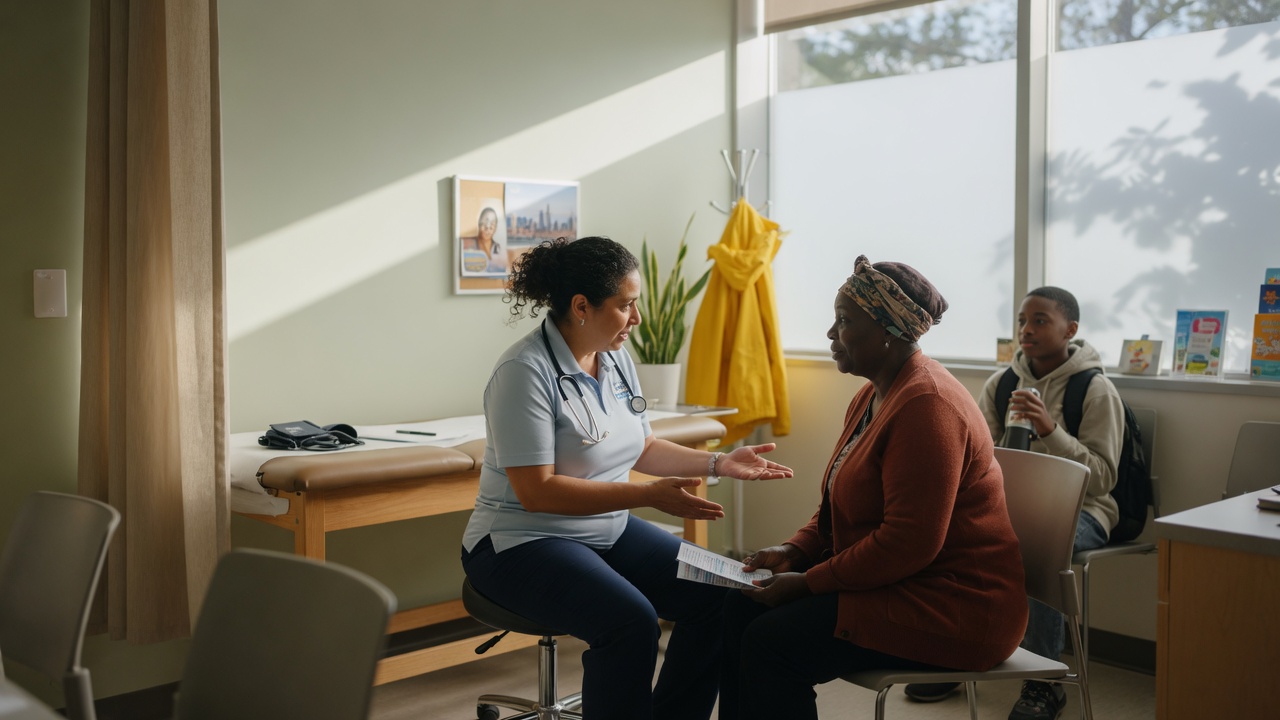
A general practitioner (GP) is your first point of contact for most non-emergency health concerns. Think of them as the quarterback of your healthcare team. They provide preventive care, such as annual physicals and vaccinations, treat common acute illnesses like colds or infections, and help manage chronic conditions such as diabetes, high blood pressure, and asthma. According to the American Academy of Family Physicians, having a regular GP leads to better health outcomes and lower costs because you receive coordinated, continuous care. At IDCC Health, providers like Stella Geller DO, a family medicine doctor, and Irina Pruchansky DO, along with nurse practitioners like Marina Timoshenko FNP, offer this comprehensive care at locations including 445 Kings Highway and 2846 Stillwell Avenue.
Beyond treating everyday problems, a GP coordinates your care across different specialties. If you have a heart concern, your GP may order tests and then refer you to a cardiologist. If you experience nerve issues, a referral to a neurologist might be next. For muscle or joint pain, your GP can connect you with rehabilitation services, pain management, or physical therapy. Women can also receive gynecological care directly from their GP or a gynecologist. This collaborative approach, where doctors inter-refer within a multispecialty clinic, ensures you get the right care without bouncing between offices. For more on how this works, see our article on how doctors inter-refer in a multispecialty clinic. And if you're wondering whether a specialist can serve as your primary care physician, the article 'Can a Specialist Be a Primary Care Physician?' explains the exceptions.
- Annual physical exams and preventive screenings
- Vaccinations (flu, pneumonia, COVID-19, etc.)
- Diagnosis and treatment of common illnesses (cold, flu, infections)
- Management of chronic conditions (diabetes, hypertension, asthma)
- Blood work and lab tests
- Referrals to specialists (cardiology, neurology, gynecology, rehabilitation)
- Prescription management, including hormone therapy (such as testosterone for FTM patients)
- Health education and lifestyle counseling
Common Conditions a General Practitioner Treats
A general practitioner (GP) is trained to handle a wide range of health issues. They are often the first person you see for a new symptom or a routine checkup. At IDCC Health, providers like Stella Geller DO, a family medicine doctor, and Irina Pruchansky DO, also in family medicine, see patients for everything from colds and flu to long-term conditions like diabetes and high blood pressure. The goal is to manage your overall health and catch problems early.
Common acute conditions include respiratory infections, urinary tract infections, skin rashes, and minor injuries. For chronic diseases, a GP helps you manage conditions such as asthma, arthritis, thyroid disorders, and high cholesterol. They also provide preventive care like vaccinations, cancer screenings, and annual physicals. If a problem needs more specialized care, your GP can refer you to a specialist, such as a cardiologist for heart issues or a neurologist for nerve-related symptoms. This is part of the coordinated care model at a multispecialty clinic, where doctors can inter-refer easily.
GPs also address mental health concerns like anxiety and depression, and they can help with lifestyle changes such as weight management or smoking cessation. For women, a GP can coordinate with a gynecologist for reproductive health needs. And if you have pain that limits your movement, your GP might suggest working with a physical therapist or a pain management specialist. The key is that your GP sees the big picture of your health and connects you with the right resources, whether that is a specialist, a rehabilitation service, or a simple blood test.
- Acute illnesses: colds, flu, strep throat, sinus infections, bronchitis, urinary tract infections
- Chronic conditions: diabetes, high blood pressure, high cholesterol, asthma, arthritis, thyroid disease
- Preventive care: annual physicals, vaccinations, cancer screenings (e.g., mammograms, colonoscopies)
- Skin issues: rashes, eczema, acne, minor infections
- Mental health: anxiety, depression, stress management
- Minor injuries: sprains, strains, cuts, burns
- Lifestyle counseling: weight management, smoking cessation, diet and exercise advice
When Should You See a General Practitioner?
A good rule of thumb is to see your general practitioner (GP) at least once a year for a preventive visit. You should also schedule an appointment any time you have a new symptom that worries you, a chronic condition that needs monitoring, or if you need a referral to a specialist. Common reasons include persistent cough, unexplained weight loss, fatigue, headaches, or ongoing pain. Your GP can also help manage long-term conditions like high blood pressure, diabetes, or high cholesterol, often coordinating your care with services such as Cardiology or Neurology if needed.
Many people also see their GP for routine checkups, vaccinations, and blood work. Because a GP knows your full health history, they can spot changes early and connect you to the right specialist at the right time. For example, Dr. Stella Geller in Family Medicine may recommend Pain Management or Physical Therapy for joint issues, or refer you to a gynecologist for women’s health concerns. In a multispecialty clinic like IDCC Health, your GP can inter-refer you directly to another provider in the same building, saving you time and improving care coordination. You can learn more about how this works in our article on how doctors inter-refer in a multispecialty clinic.
If you don’t yet have a GP, consider starting with a provider like Irina Pruchansky DO or Marina Timoshenko FNP at one of our Brooklyn locations, including 445 Kings Highway, 2846 Stillwell Avenue near Coney Island, or 201 Kings Highway. To understand why having a regular primary care doctor matters, read our guide on the benefits of having a primary care physician for better health and care.
How a General Practitioner Coordinates Your Care
A general practitioner acts as the central manager of your health care. Instead of seeing different doctors who don't communicate, your GP keeps everything connected. For example, Stella Geller DO, a family medicine provider at IDCC Health, can order blood work, manage medications, and then refer you to a specialist like a cardiologist or a neurologist when needed. Because IDCC Health is a multispecialty clinic, your GP can work directly with other services to create a complete care plan. For a deeper look at how this type of in-house referral works, read our article on whether doctors can inter-refer in a multispecialty clinic.
Having a regular GP also means your medical history stays in one place. If you visit a location like the office at 445 Kings Highway, your records are kept together and shared with your permission. This coordination helps prevent duplicate tests and conflicting treatments. The American Family Physician journal notes that coordinated primary care improves patient outcomes. Your GP can also connect you with other providers in the clinic, depending on your needs, leading to more efficient and personalized care.
Choosing a General Practitioner in Brooklyn
Choosing a general practitioner in Brooklyn starts with finding a provider who fits your needs and lifestyle. At IDCC Health, you have access to a team of experienced primary care providers including family medicine doctor Stella Geller DO, Irina Pruchansky DO, Marina Timoshenko FNP, Inna Tovbina MD, and Louis A. Carrera MD. They see patients at three convenient Brooklyn locations: 445 Kings Highway, 2846 Stillwell Avenue (Coney Island), and 201 Kings Highway. Having a regular GP helps you build a long-term relationship, which leads to better health outcomes and lower costs over time. According to the American Academy of Family Physicians, continuity of care with a primary care physician is linked to improved patient satisfaction and reduced emergency visits. For more on why this matters, see our guide on the Benefits of Having a Primary Care Physician.
A GP at a multispecialty clinic can coordinate your care with other services like Cardiology, Neurology, Gynecology, and Rehabilitation. If you develop a condition that needs a specialist, your GP can refer you within the same practice. This inter-referral system makes it easier to manage your health. For example, if you have chronic pain, your GP might work with Pain Management and Physical Therapy to create a treatment plan. If you have questions about how specialists can serve as your primary doctor, read our article Can a Specialist Be a Primary Care Physician?.
When choosing a GP, consider these factors:
- Location and office hours that fit your schedule.
- The provider's experience with your specific health needs, such as managing chronic conditions or providing gender-affirming care (for example, our article Can a Primary Care Doctor Prescribe Testosterone for FTM? addresses common questions).
- Whether the clinic offers same-day appointments or telemedicine.
- How the practice coordinates with other specialists and services like Physical Therapy or Pain Management.
Frequently Asked Questions About General Practitioners
Many people have questions about what a general practitioner does and how to choose the right one. Below are answers to common questions, including how a GP fits into a multispecialty clinic, how they coordinate care with specialists like cardiologists or neurologists, and what to expect during your first visit. For more on the overall benefits of having a regular doctor, see our article on the benefits of having a primary care physician for better health and care.
If you are wondering whether a specialist can act as your primary care provider, we explain that in our guide on can a specialist be a primary care physician. Other frequently asked topics include whether a GP can prescribe testosterone for FTM patients, how inter-referrals work in a multispecialty clinic, and whether you can see a doctor in another state. Our team at IDCC Health includes providers like Stella Geller DO, Irina Pruchansky DO, Marina Timoshenko FNP, and others, all available at our Brooklyn locations including 445 Kings Highway, 2846 Stillwell Avenue, and 201 Kings Highway.
- What conditions does a general practitioner treat? GPs handle a wide range of health issues, from acute illnesses like colds and infections to chronic conditions such as diabetes and high blood pressure. They also provide preventive care, including vaccinations and screenings. For more specialized needs, they can refer you to services like rehabilitation, pain management, or physical therapy.
- When should I see a GP versus a specialist? A GP is your first point of contact for most non-emergency health concerns. They can diagnose and treat many conditions themselves. If you need more specialized care, they will refer you to a specialist such as a cardiologist or neurologist. This approach helps coordinate your overall care.
- How do I choose a GP in Brooklyn? Look for a provider who listens to your concerns, has convenient office hours, and is part of a network that includes other specialists. At IDCC Health, we have multiple locations across Brooklyn and a team of experienced practitioners, including family medicine doctors like Stella Geller DO and nurse practitioners like Marina Timoshenko FNP, all working together with services like gynecology and cardiology.
- Can a GP provide ongoing care for chronic conditions? Yes. GPs are trained to manage long-term conditions such as asthma, arthritis, and depression. They monitor your health over time, adjust treatments, and coordinate with other specialists when needed. This continuity of care is a key benefit of having a regular primary care doctor.
- Do I need a referral to see a GP? No, you can schedule an appointment directly with a GP. If you have insurance, check whether you need a referral for specialist visits, but GPs themselves do not require one.
Related Articles
- Benefits of Having a Primary Care Physician for Better Health and Care
- Can a Primary Care Doctor Prescribe Testosterone for FTM?
- Can Doctors Inter Refer in a Multispecialty Clinic?
- Can You Have a Primary Care Doctor in Another State?
When to Seek Care Right Away
- Symptoms that are severe, sudden, or rapidly getting worse
- Fever along with pain or other new symptoms
- Chest pain, difficulty breathing, or fainting
- Numbness, weakness, or loss of function in an arm or leg
- Any symptom severe enough to interrupt sleep, work, or daily activities for more than a few days
Sources
Disclaimer: This article is for general educational purposes only and is not a substitute for professional medical advice, diagnosis, or treatment. Always seek the advice of your physician or another qualified health provider with any questions you may have regarding a medical condition.
Questions about your health? We're nearby.
Board-certified providers across 17 specialties — three Brooklyn locations, open Sundays at 445 Kings Highway.
- ✓ Same-week appointments
- ✓ Most major insurance accepted & verified for you
- ✓ Spanish-speaking staff available
Book a visit
We'll call you back to confirm — usually the same day.
Prefer to talk? Call 718-375-3200

When to see a primary care doctor in Sheepshead Bay: A Primary Care Guide for Brooklyn Patients
Oct 9, 2026
When to See a Primary Care Doctor in Coney Island
Oct 7, 2026
Gynecology in Brooklyn: What to Expect and How to Find the Right Gynecologist
Oct 6, 2026