When to See a Physical Therapist in Gravesend: Signs, Timing, and How Care Works

By the IDCC Health editorial team
How Physical Therapy Can Help You Move and Feel Better
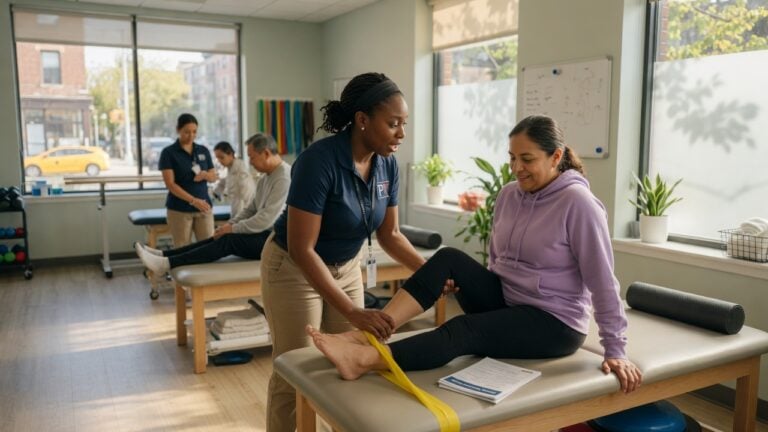
Physical therapy helps your body move and feel better. A physical therapist uses exercises, stretches, and hands-on techniques to reduce pain, build strength, improve balance, and restore movement after injury, surgery, or inactivity. MedlinePlus notes that rehabilitation services like physical therapy focus on regaining abilities for daily life.
Many people think physical therapy is only for serious injuries or post-surgery recovery. In reality, it helps with everyday problems too: a stiff neck, a knee that aches on stairs, weak muscles, or unsteadiness when walking. At IDCC Health, Dr. Irina Shammay leads the Physical Therapy program, with physical therapists like Daniel Lerner PT DPT OMT on the team. Together they find the cause of your symptoms and build a plan around your routine.
Physical therapy is part of a larger Rehabilitation program. The goal is simple: help you move with less pain and more confidence, whether recovering from injury or returning to activities you enjoy. As you progress, your plan may include home exercises. MedlinePlus notes that regular physical activity helps maintain the strength and mobility you build in therapy. Moving more can also support mental well-being. For a closer look at that connection, see our article on whether physical health is more important than mental health.
- Less pain and stiffness in your back, neck, knees, or other joints
- Stronger muscles for everyday tasks like lifting, climbing stairs, or getting out of a chair
- Better balance and steadiness when you walk
- Support for recovery after an injury or surgery
- More confidence returning to sports, work, or hobbies

Everyday Signs It Might Be Time to See a Physical Therapist in Gravesend
Most people expect some aches and pains with age. But certain patterns deserve attention. If pain lingers for more than a few weeks, limits daily activities, or keeps returning, physical therapy may be the right next step. A physical therapist does more than treat injuries. They examine how you move, where you feel weak, and what habits contribute to symptoms. The team at IDCC Health builds plans around your specific needs. MedlinePlus notes that rehabilitation helps people regain function and improve daily life after illness, injury, or surgery.
These signs do not mean you definitely need physical therapy. Only a clinician can find the cause. Some problems need a different approach. Sudden severe pain, numbness, weakness, loss of bladder control, chest pain, or a fever with joint swelling are red flags that call for prompt medical attention. In those cases, starting with Primary Care is safer. For ongoing, non-emergency pain, physical therapy often works alongside services like Pain Management. The American Academy of Family Physicians notes that physical therapy is a common treatment for musculoskeletal pain, meaning pain in the muscles, bones, and joints. The goal is to find the right combination of care.
- Pain that lasts longer than a few weeks, especially in the back, neck, knees, or shoulders.
- Stiffness that makes it hard to bend, reach, or turn your head.
- Muscle weakness that affects climbing stairs, standing from a chair, or carrying groceries.
- Balance problems or a feeling of unsteadiness on your feet.
- Trouble with everyday movements like lifting, squatting, or walking long distances.
- Slow recovery after an injury, surgery, or a fall.
Red Flags: When to See a Doctor First
Physical therapy can help with many types of pain and movement problems. But some symptoms are red flags that may point to a more serious condition needing medical attention first. See a doctor right away if you have any of the following:
If you have any of these red flags, do not wait for a physical therapy appointment. Start with a Primary Care visit. Your primary care doctor can run tests, check for underlying conditions, and decide if you need a specialist. For example, chest pain may require a Cardiology workup. For non-emergency muscle pain, our guide on What Doctor Do You See for Muscle Pain? explains your options.
Once a doctor rules out a serious problem, physical therapy can become part of your recovery. Rehabilitation services, as MedlinePlus explains, help people regain abilities lost after injury or illness. If you are unsure where to start, a primary care visit is the safest first step.
- Sudden, severe pain
- Numbness or weakness in an arm or leg
- Loss of bladder or bowel control
- Chest pain or trouble breathing
- Fever with joint swelling
- Pain after a recent fall or injury that does not improve
What Happens at Your First Physical Therapy Appointment
Your first visit starts with paperwork and a conversation. You'll be asked about your pain, when it started, what makes it better or worse, and how it affects your daily routine. The therapist will also ask about past injuries, surgeries, and health conditions. This conversation helps them understand your story before hands-on testing begins.
Next comes the movement exam. The therapist watches how you walk, sit, stand, bend, and reach. They may test your strength, balance, and range of motion, which is how far a joint can move in each direction. Gentle pressure may help find which movements cause pain. This is not a pass or fail test. It shows what your body can do now and what needs attention. Dr. Irina Shammay leads the therapy team and often works with colleagues, so you may see more than one clinician.
The final part is planning. Together, you and the therapist set realistic goals, such as climbing stairs without pain or returning to a favorite activity. You'll leave with a personal plan that may include home exercises, stretches, and small habit changes. Physical therapy is part of a broader rehabilitation program, and your therapist may suggest other services if helpful. Many patients find it easy to combine physical therapy with other appointments at the same location.
- A list of your current medications
- Any imaging results, such as X-rays or MRI reports
- Comfortable clothing and shoes you can move in
- Questions or goals you want to discuss
Conditions Physical Therapy Can Treat, From Back Pain to Pelvic Floor Concerns
Physical therapy is often thought of as a treatment for back pain, but it helps with a much wider range of conditions. MedlinePlus notes that rehabilitation services like physical therapy focus on restoring function and improving quality of life after injury, illness, or surgery. The same resource on exercise and physical fitness notes that regular movement helps maintain strength and independence. At IDCC Health, the therapy team, led by Dr. Irina Shammay, works with adults who have back and neck pain, arthritis, sports injuries, and recovery needs after a procedure. The goal is to reduce pain, rebuild strength, and help you move more easily.
Many people also come in for muscle pain lasting more than a few weeks. If you're unsure whether a doctor or therapist should see you first, our guide on What Doctor Do You See for Muscle Pain? can help. In many cases, a Primary Care provider can rule out serious causes and then refer you to physical therapy. The American Academy of Family Physicians also points out that physical therapy is a common treatment for musculoskeletal conditions like back pain and arthritis. The team at IDCC Health includes Dina Israelov and Daniel Lerner PT DPT OMT, who bring experience in different types of movement and rehabilitation. For chronic pain that doesn't improve, Pain Management may also be part of your plan. If you've been inactive, our guides on How to Start Exercising After Being Sedentary and What Happens When You Start Exercising After Being Sedentary offer practical steps for easing back safely.
Physical therapy also addresses pelvic floor concerns, which are more common than many realize. Pelvic floor therapy can help with incontinence, pelvic pain, and recovery after childbirth. Our Gynecology team often works alongside physical therapists when these issues affect women's health. Men can also benefit from pelvic floor therapy for certain conditions. However, some symptoms require immediate medical attention, as noted earlier. Depending on the symptom, a Neurology specialist may be involved. For ongoing recovery, the Rehabilitation program at IDCC Health offers a structured approach, and you can be seen at our 201 Kings Highway office.
- Back and neck pain
- Arthritis and joint stiffness
- Sports injuries
- Post-surgical rehabilitation
- Balance and fall prevention
- Pelvic floor disorders
Your Care Team: Physical Therapists, Primary Care, and Specialists
Physical therapy works best with a team. At IDCC Health, that team starts with Dr. Irina Shammay, who designs a plan based on your movement, strength, and personal goals. Depending on your needs and schedule, you may see another member of the therapy team.
Your physical therapist does not work alone. Dr. Jaroslaw Cwar PTA supports the rehabilitation team with hands-on care. If you need a diagnosis or medical clearance before starting, your Primary Care doctor can help. After surgery, therapy often connects with rehabilitation for steady, safe recovery.
MedlinePlus notes that rehabilitation helps people regain daily skills lost to injury, illness, or surgery. That's what a good care team does: it combines your physical therapist, primary care doctor, and any specialists into one clear plan.
How to Get Started With Physical Therapy in Gravesend and Nearby Brooklyn
If you're searching for a physical therapist in Gravesend, the first step is a thorough evaluation. Pain lasting more than a few weeks, stiffness that limits daily tasks, muscle weakness, balance trouble, or a slow recovery after injury or surgery are common reasons people seek help. Only a clinician can find the cause, so the first visit starts with a conversation about your symptoms and goals. MedlinePlus notes that rehabilitation services help people regain function and improve quality of life.
At IDCC Health, the Physical Therapy team is led by Dr. Irina Shammay. Your first appointment begins with a health history and a conversation about your goals. Then a therapist examines your movement, strength, flexibility, and balance. Based on that exam, you'll receive a personal plan with specific exercises and stretches. Some symptoms need urgent medical attention before physical therapy, as listed earlier. In those cases, your primary care provider can help decide the safest next step.
Getting started is simple. You can visit our office at 445 Kings Highway for an evaluation, or our 2846 Stillwell Avenue (Coney Island) location. If you've been inactive for a long time, our guide on How to Start Exercising After Being Sedentary offers a safe place to begin. Starting with an evaluation is the first step toward getting back to activities you enjoy.
Frequently Asked Questions About Physical Therapy
How do you know if physical therapy is the right next step? A good rule is to pay attention to how long a problem lasts. Pain that sticks around for more than a few weeks, stiffness that limits daily tasks, weakness in an arm or leg, balance trouble, or a slow recovery after injury or surgery are common reasons people seek help. Only a clinician can find the cause, but physical therapy is often part of the plan. MedlinePlus notes that rehabilitation services help people regain strength and function after illness or injury.
What happens at a first appointment? You'll start with a health history and a conversation about your goals. Then a physical therapist will check your movement, strength, and balance. The team at IDCC Health will work with you to build a personal plan. The plan may include exercises, stretches, and hands-on care. The goal is to help you move better and feel stronger.
When should you see a doctor instead? Sudden severe pain, numbness, weakness, loss of bladder control, chest pain, or a fever with joint swelling are red flags. These symptoms need a medical evaluation right away. Your primary care team can help sort out the cause. If you're ready to start, you can visit our 445 Kings Highway office for an evaluation. The American Academy of Family Physicians also provides guidance on muscle pain and when it needs medical attention.
Related Articles
- Is Physical Health More Important Than Mental Health?
- Why Is My Penis Shrinking? Causes, Prevention, and Solutions
Related Providers & Services
When to Seek Care Right Away
- Symptoms that are severe, sudden, or rapidly getting worse
- Fever along with pain or other new symptoms
- Chest pain, difficulty breathing, or fainting
- Numbness, weakness, or loss of function in an arm or leg
- Any symptom severe enough to interrupt sleep, work, or daily activities for more than a few days
Sources
- MedlinePlus: Rehabilitation
- MedlinePlus: Exercise and Physical Fitness
- AAFP: American Family Physician
Disclaimer: This article is for general educational purposes only and is not a substitute for professional medical advice, diagnosis, or treatment. Always seek the advice of your physician or another qualified health provider with any questions you may have regarding a medical condition.
Questions about your health? We're nearby.
Board-certified providers across 17 specialties — three Brooklyn locations, open Sundays at 445 Kings Highway.
- ✓ Same-week appointments
- ✓ Most major insurance accepted & verified for you
- ✓ Spanish-speaking staff available
Book a visit
We'll call you back to confirm — usually the same day.
Prefer to talk? Call 718-375-3200

When to See a Physical Therapist in Sheepshead Bay: 10 Signs You Shouldn’t Wait
Oct 15, 2026
When to See a Physical Therapist in Midwood: 9 Signs It’s Time to Book an Appointment
Oct 14, 2026
When to See a Physical Therapist in Coney Island: 9 Signs You Shouldn’t Wait
Oct 11, 2026