When to See a Physical Therapist in Sheepshead Bay: 10 Signs You Shouldn’t Wait

By the IDCC Health editorial team
What Is Physical Therapy and What Conditions Does It Treat?
Physical therapy (PT) is a type of care that helps people restore movement, reduce pain, and improve strength and flexibility. It treats many conditions, including back and neck pain, joint stiffness, sports injuries, recovery after surgery, balance problems, and chronic conditions like arthritis. At IDCC Health, the Physical Therapy team, including Dr. Irina Shammay, creates personalized plans for each patient.
PT is not just for after an injury. It can also help with everyday problems like trouble climbing stairs or getting out of a chair. If you have pain that lasts more than a few days, weakness, numbness, or a limp, a physical therapist can help. For muscle pain that does not go away, it helps to know which doctor to see; our article What Doctor Do You See for Muscle Pain? explains your options. Physical therapy is often part of a broader Rehabilitation plan, and it can work alongside other treatments when discomfort is severe.
The goal is to help you move better and stay active. Regular movement is one of the best things for overall health. If you are unsure where to start, a physical therapist can guide you safely.

10 Signs You Shouldn't Wait to See a Physical Therapist
Pain is your body's way of asking for help. When it lasts more than a few days, waiting rarely makes it better. Physical Therapy is not a last resort for people who have run out of options. It is a first step that can keep a small problem from turning into a long-term one. A physical therapist looks for the cause of your pain, then builds a plan to help you move well again.
Some signs point to a sudden injury. Others build slowly, like arthritis stiffness or a nagging ache in your back. Here are ten signs that it is time to stop waiting and get checked.
A few symptoms need faster attention. Call your doctor right away if you have severe pain, sudden weakness, numbness in the groin area, or trouble controlling your bladder or bowels. Chest pain, trouble breathing, or a sudden loss of balance are emergencies, so call 911. For everyday aches, your Primary Care doctor can be a good first stop, and they can point you to the right specialist. Numbness or tingling that will not go away may need a Neurology visit. If you are not sure which doctor handles muscle pain, our guide to What Doctor Do You See for Muscle Pain? walks through the options.
- Pain that lasts more than a few days, or keeps coming back.
- Trouble climbing stairs, getting out of a chair, or standing up from the floor.
- A recent fall, sports injury, or car accident.
- Weakness, numbness, or tingling in an arm or leg.
- A limp, or leaning to one side when you walk.
- Stiff joints that stay stiff even after you warm up.
- Swelling or soreness that does not ease with rest.
- Balance problems, or feeling unsteady on uneven ground.
- Recovery after surgery, a cast, or a long hospital stay.
- Skipping hobbies, walks, or workouts because they hurt.
What to Expect at Your First Physical Therapy Appointment
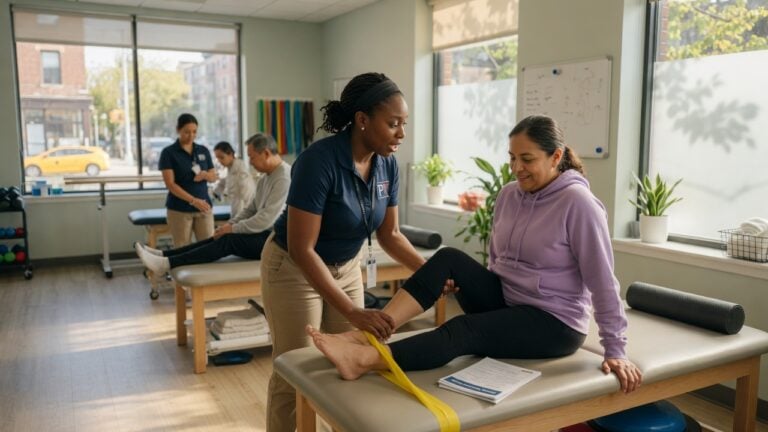
Your first visit usually begins with a conversation about your pain, your daily activities, and your goals. The physical therapist will then watch how you move, test your strength and flexibility, and check your posture. This helps them find the root cause of your problem, not just the symptom. At IDCC Health, Dr. Irina Shammay and Daniel Lerner PT DPT OMT are part of the team that guides you through this process.
After the assessment, your therapist builds a plan around your needs. That plan often includes guided exercises, manual therapy (hands-on treatment to loosen tight muscles and joints), and education on how to move safely at home and at work. Physical therapy is a core part of a broader Rehabilitation plan, and your therapist may work alongside other specialists if your condition involves more than one area.
Wear loose, comfortable clothing and shoes that are easy to move in. Bring a list of any medications you take and any imaging results, like X-rays or MRIs. If you have a note from your primary care provider, bring that too. You can find care close to home at our 445 Kings Highway office.
- A list of your current medications
- Any imaging results, such as X-rays or MRIs
- A referral or note from your primary care provider if you have one
- Comfortable clothing and supportive shoes
How Physical Therapy Supports Recovery and Rehabilitation
Physical therapy helps people recover after an injury, surgery, or illness. It focuses on restoring movement, strength, and balance. A physical therapist creates a plan based on your specific needs. That plan may include exercises, stretches, and hands-on techniques called manual therapy. The goal is to help you return to your normal activities safely. According to MedlinePlus, rehabilitation services are designed to help you regain abilities you may have lost.
At IDCC Health, the physical therapy team includes Dr. Irina Shammay and Daniel Lerner PT DPT OMT. They work closely with other specialists to support your whole recovery. Physical therapy is often one part of a larger Rehabilitation plan. For example, someone recovering from a fall might need both physical therapy and pain management. The team can adjust your plan as you improve.
If you have been inactive for a long time, getting back to movement can feel overwhelming. Physical therapy can help you start slowly and build confidence. For practical steps, see our guide on how to start exercising after being sedentary. Your therapist will teach you safe ways to move and help you avoid re-injury.
Why Starting Physical Therapy Early Matters
Waiting to start physical therapy often makes recovery harder. When pain or stiffness lingers, the body starts moving differently to protect the injured area. That can lead to muscle weakness, joint strain, and new pain in other parts of the body. Starting early gives you a better chance of correcting those patterns before they become habits. Physical therapy is not a last resort. It is a proactive step that helps you stay active and independent.
At IDCC Health, the physical therapy team includes Dr. Irina Shammay, who builds personalized plans for each patient. She focuses on restoring strength, balance, and range of motion. If you have red flags such as severe pain, sudden weakness, or chest pain, talk to your Primary Care provider first before starting any exercise program.
You do not need to wait for a doctor's referral to book a physical therapy appointment, but checking in with your primary care doctor is a smart first step. If you have been sedentary for a while, our guide on how to start exercising after being sedentary can help you ease back into movement safely. The team at IDCC Health sees patients at 445 Kings Highway and other Brooklyn locations, so help is close to home.
Finding a Physical Therapist in Sheepshead Bay
Physical Therapy is a form of Rehabilitation that helps people restore movement, reduce pain, and rebuild strength after an injury, surgery, or a long period of inactivity. It is not a last resort. If you have been avoiding everyday tasks because of discomfort, a physical therapist can help. At IDCC Health, Dr. Irina Shammay and Daniel Lerner PT DPT OMT work with patients to create personalized plans that address the root of the problem. According to MedlinePlus, rehabilitation services like this can improve your ability to function and live independently.
Your first visit usually starts with an assessment. The therapist asks about your history, watches how you move, and checks your strength and range of motion. From there, you get a personalized exercise plan and often some hands-on manual therapy. The team at IDCC Health, including Dina Israelov and Dr. Jaroslaw Cwar PTA, supports you through each step. You can book an appointment at our 445 Kings Highway or 2846 Stillwell Avenue offices, both a short trip from many Brooklyn neighborhoods.
Some symptoms should not wait. If you have severe pain, sudden weakness, or chest pain, talk to your Primary Care provider first. For everyday aches and stiffness, physical therapy can be a proactive step. If you have been sedentary for a while, our guide on How to Start Exercising After Being Sedentary offers a safe starting point, and a therapist can build on that with a plan tailored to you.
- Pain that lasts more than a few days or keeps coming back
- Trouble climbing stairs, getting out of a chair, or walking without limping
- Recent injury, such as a sprain, strain, or fall
- Weakness or numbness in an arm or leg
- Avoiding activities you used to enjoy because of discomfort
- Balance problems or a feeling of unsteadiness
Meet the Physical Therapy Team at IDCC Health
The Physical Therapy team at IDCC Health is led by Dr. Irina Shammay, a physical therapist who designs personalized treatment plans for back pain, joint stiffness, sports injuries, and balance problems. She works alongside Dina Israelov, Daniel Lerner PT DPT OMT, and Dr. Jaroslaw Cwar PTA. Each clinician takes time to understand your history, your goals, and the daily activities that matter to you.
During your first visit, one of these team members will assess your movement, strength, and flexibility. They will then build a plan that may include targeted exercises, manual therapy, and education to help you stay active safely. The team also coordinates with your Primary Care doctor when needed, so your treatment fits into your overall health picture.
Frequently Asked Questions About Physical Therapy
Q: How do I know if it is time to see a physical therapist? A: You do not need to wait for a serious injury. Pain that lasts more than a few days, trouble climbing stairs, getting out of a chair, or limping are all good reasons to get checked. Physical therapy helps restore movement and function, according to MedlinePlus. It can also help with balance problems, joint stiffness, and chronic conditions like arthritis.
Q: What happens during the first visit? A: Your physical therapist will ask about your symptoms, test your strength and range of motion, and build a plan around your goals. The plan often includes exercises, stretches, and hands-on care called manual therapy. At IDCC Health, Dr. Irina Shammay and Daniel Lerner PT DPT OMT work with patients to create personalized programs.
Q: Do I need a referral? A: Many people start physical therapy without one, but it is smart to talk to your Primary Care provider first, especially if you have severe pain, sudden weakness, or chest pain. Your primary care doctor can rule out more serious issues and help you decide if physical therapy is right for you.
Q: How can I get started? A: You can book an appointment at one of our Brooklyn offices, including 445 Kings Highway. Starting with small, guided steps is safer than pushing through pain. Your physical therapist will adjust the plan as you improve, so you can keep making progress without overdoing it.
Related Articles
- What Happens When You Start Exercising After Being Sedentary
- Is Physical Health More Important Than Mental Health?
- Why Is My Penis Shrinking? Causes, Prevention, and Solutions
Our Brooklyn Locations
Related Providers & Services
When to Seek Care Right Away
- Symptoms that are severe, sudden, or rapidly getting worse
- Fever along with pain or other new symptoms
- Chest pain, difficulty breathing, or fainting
- Numbness, weakness, or loss of function in an arm or leg
- Any symptom severe enough to interrupt sleep, work, or daily activities for more than a few days
Sources
- MedlinePlus: Rehabilitation
- MedlinePlus: Exercise and Physical Fitness
- AAFP: American Family Physician
Disclaimer: This article is for general educational purposes only and is not a substitute for professional medical advice, diagnosis, or treatment. Always seek the advice of your physician or another qualified health provider with any questions you may have regarding a medical condition.
Questions about your health? We're nearby.
Board-certified providers across 17 specialties — three Brooklyn locations, open Sundays at 445 Kings Highway.
- ✓ Same-week appointments
- ✓ Most major insurance accepted & verified for you
- ✓ Spanish-speaking staff available
Book a visit
We'll call you back to confirm — usually the same day.
Prefer to talk? Call 718-375-3200

When to See a Physical Therapist in Midwood: 9 Signs It’s Time to Book an Appointment
Oct 14, 2026
When to See a Physical Therapist in Gravesend: Signs, Timing, and How Care Works
Oct 12, 2026
When to See a Physical Therapist in Coney Island: 9 Signs You Shouldn’t Wait
Oct 11, 2026